
 EXCLUSIVE MEMBERS ONLY ACCESS
To access this month’s edition & Member’s only resources, enter your registered email address.



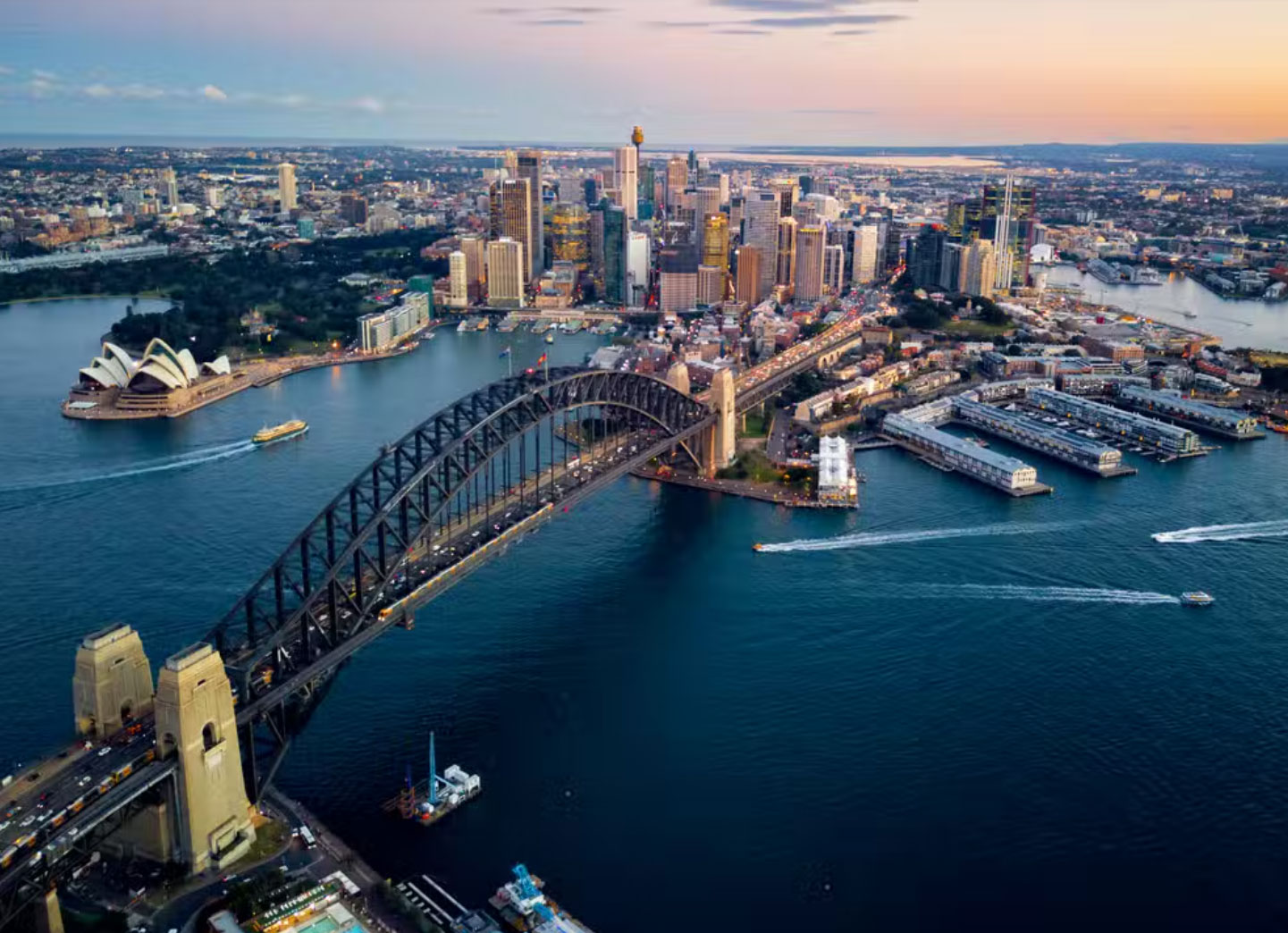
Sydney, New South Wales
The Results of the August 2021 census were made public on 12th July 2022, and revealed that Australia has become a majority migrant nation, as the census data shows for the first time that more than 50 per cent of residents were born overseas or have an immigrant parent.
Australia’s 2026 Migration Program has been carefully designed to boost the social and economic outcomes that meet Australia’s needs. In fact, the migration programme was first launched in 1945 following the aftermath of World War 2. Given this long history, it is worth understanding how it works. The Australian Immigration Bulletin exists to help explain this in more detail.
As we’ve entered the 3rd month of the year, join us for a look at the latest news and developments in the world of Australian Immigration!

The Australian Bureau of Statistics (ABS) recently released monthly overseas arrivals and departures data for December, which continued to show strong growth in the number of people arriving and intending to stay in Australia for 12 months or more.
In 2025, a net of 480,520 people arrived in Australia on a permanent or long-term basis, up 8.1% from 2024 and 7.3% higher than in 2023.
The number of net permanent and long-term (NPLT) arrivals in 2025 was also 63% higher than immediately before the pandemic in 2019, when 294,310 people intended to stay in Australia for 12 months or more:
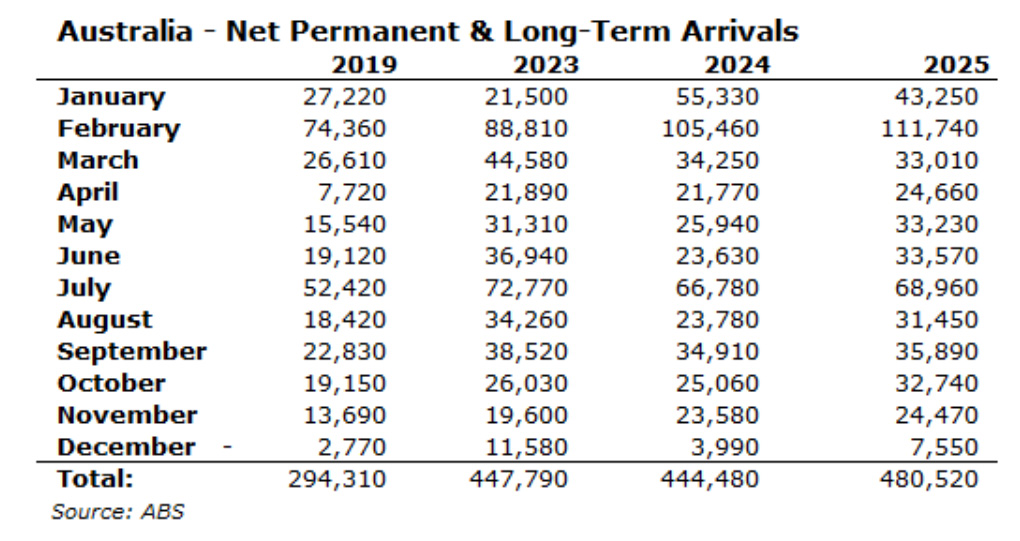 The NPLT arrivals series closely tracked the official quarterly net overseas migration (NOM) directionally for more than 30 years. However, over the past two years, this relationship has broken down: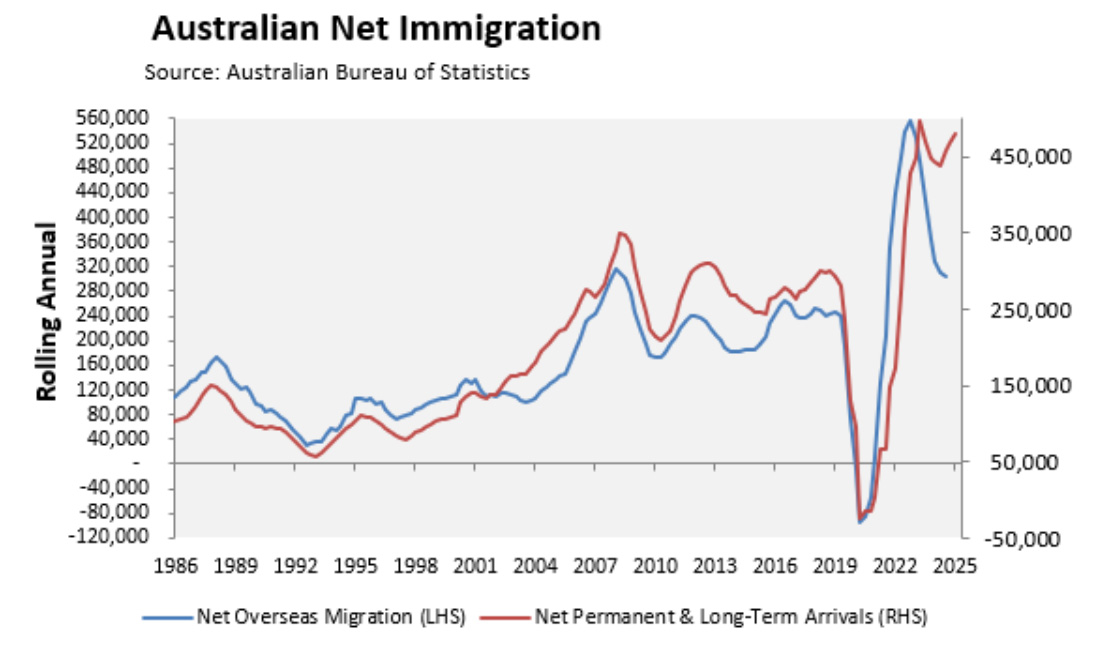
NOM is based on observed behaviour, not visa type or stated intention, and counts anyone who changes their usual residence for 12 months or more within a 16‑month period.
NPLT arrivals are based on the intended duration of stay recorded on passenger cards and do not adjust for whether people actually stay that long.
As illustrated above, annual NPLT arrivals surged from March 2025, whereas NOM had fallen to a still historically high 306,000 by Q2 2025 (the latest available data).

The massive influx of migrants in the postwar years marked a major cultural shift from a previously monocultural British-oriented society to one of the world’s most multicultural societies. From 1945 to 1960 Australia’s population almost doubled, from 7 million to 13 million, averaging an annual growth rate of 2.7 percent per year. By 1961, 8 percent of the population was not of British origin, with the largest migrant groups being Italians followed by Germans, Greeks, and Poles.
In the mid-1950s, as the Australian government began to relax its immigration policy, one of the first changes was to allow non-European migrants the opportunity to apply for citizenship. This was followed by the abolition of the dictation test under the Migration Act of 1958, which put an end to the exclusion of non-European migrants. The most significant change to take place was Prime Minister Harold Holt’s introduction of the Migration Act 1966, which allowed non-Europeans with professional and academic qualifications to apply for entry. This effectively ended the tight immigration policies (which were officially abandoned in 1973) with migrants now being selected according to their skills and ability to contribute to Australian society, not on the basis of ethnicity. This act also aimed at developing trade, tourism, and closer ties between Australia and other countries, particularly in Asia.
The 1970s marked a significant turning point in official immigration policies and in prior assimilation policies whereby new arrivals were expected to adopt Australian customs and culture. In 1973 the new Labor government, led by Prime Minister Gough Whitlam, implemented the Universal Migration Policy, heralding the beginning of a culturally diverse society. This radical change in policy allowed a person from any country to apply to migrate to Australia, without being discriminated against on the basis of ethnicity, gender, or religion. The policy focused on encouraging skilled and professional workers to apply for immigration to increase Australia’s productive capacity and directly benefit the economy. Mass migration programs were renounced, resulting in a dramatic decline in the number of British and European immigrants from 1975. However, a new wave of migration began with the arrival of the first Asian refugees as part of the assistance programs signed with the United Nations to provide resettlement in Australia for people fleeing hardship and government persecution in other countries. As the Vietnam War wound down, most of the refugees came from Southeast Asia, fleeing persecution by the communist regimes that had taken control in the region. In 1975 the first refugees arrived from Vietnam by boat, landing on the shores of Darwin, Northern Territory. By 1985 more than 75,000 refugees from Southeast Asia had come to Australia. These immigrants worked mostly in low-skilled jobs, such as manufacturing. The number of migrants from Asian regions continued to increase during the 1990s, peaking in 1990–91 with 60,900 settlers. By 1998, 33 percent of all migrants arriving in Australia were Asian-born.
The big cities received the bulk of the postwar immigration. Melbourne’s early lead in industrialization was closely associated with the immigration boom, but Sydney eventually proved more attractive. The impact of immigration was not confined to these two centres; whereas the overseas-born population accounted for about one-third of the total for Sydney and Melbourne at the start of the 21st century the national proportion was more than one-fifth and rising. Each of the other state capitals and the industrializing provincial centres also received their share of the influx. The impact was much smaller in the rural districts, except for the areas under irrigation.
In addition, most major world crises have introduced fresh waves of immigrants: South and Central Americans fleeing civil wars or government persecution; Hungarian refugees escaping the consequences of the Hungarian Revolution in 1956; and Czechoslovaks departing in the wake of their country’s occupation by the Soviets in 1968. A large Polish migration occurred in 1981 under the Special Humanitarian Program in response to the declaration of martial law in Poland at the time. Other refugees arrived from the Middle East, Afghanistan, and China from the 1970s and from the Balkans in the 1990s. Since the end of World War II, some 600,000 refugees and displaced persons have arrived in Australia—more than one-tenth of the total number of new settlers. Consequently, about half of the population has been born overseas or has at least one foreign-born parent.
Thereafter, the share of non-European immigrants, particularly from Asia, began to increase. Most of the debates on immigration have focused on cultural and economic issues and only peripherally on ethnicity, and (with the exception of the complex Aboriginal issues) Australians largely have been spared the kinds of interracial conflict that have scarred other immigrant societies.
Postwar immigration proved an economic boost and achieved its intended purpose of significantly increasing the population size of Australia. In 2011 the Australian Bureau of Statistics estimated the resident population to be more than 22 million people, about one-fourth of them having been born overseas. On the whole this was one of the most successful and positive chapters in the history of Australia and marked the beginning of a new way of living. Australians began to appreciate the benefits of a multicultural society and the diversity offered by migrants from some 200 different countries.
As discussed above, there was a dramatic increase in the Indigenous population after World War II. This growth is usually attributed to greater pride in Aboriginality, the evolution of affirmative action policies in education, health, and welfare, and the official adoption of a generous definition of Aboriginal and Torres Strait Islander peoples. The relatively youthful age structure and high fertility rate of those enumerated as Indigenous largely account for the continuing upward trend. Nevertheless, infant mortality is unusually high, and average life expectancy at birth is about 30 percent lower than that of the rest of Australia.
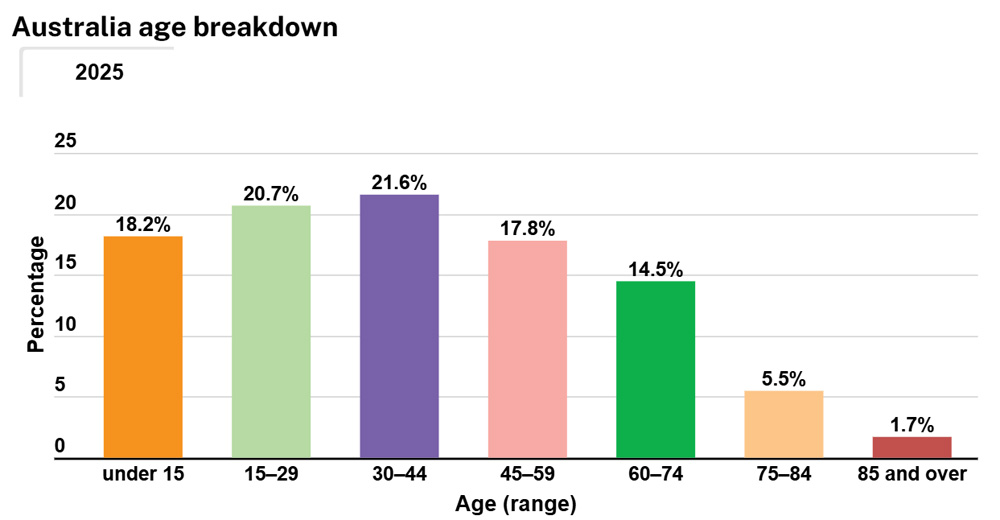
Australia’s overall rate of natural population increase is less than half the world average, and its death and birth rates are also less than the world average. Life expectancy is high—in excess of 75 years for men and 80 years for women. Australia’s population age 65 and older is substantial and growing, and nearly one-fifth of the population (many from the immigrant and Aboriginal communities) is younger than 15.

The Australian Government has introduced a major reform to improve how individuals access and use proof of their citizenship, with digital evidence of Australian citizenship now formally recognised from 5 December 2025 under the Regulatory Reform Omnibus Act 2025. This shift moves away from a paper-only system and provides a secure and flexible option for people who need to demonstrate their citizenship when completing important tasks.
Citizenship evidence continues to play a critical role in everyday life, including passport applications, school enrolments, identity verification and access to government services. Reliable documentation helps ensure that personal records are recognised across different systems and reduces delays during verification processes.
Commencement and key features of the reform
The new framework supports the Government’s objective to modernise identity services and streamline how citizenship information is managed. Digital citizenship evidence is now recognised alongside the physical certificate, giving individuals more flexibility in how they present proof of citizenship.
The reform also updates the processes for issuing, correcting and replacing citizenship evidence. It introduces clearer requirements for handling physical certificates and expands online lodgement options for adults and children. These improvements create a more consistent and efficient system for individuals and organisations that rely on accurate citizenship records.
Applications, updates and corrections
Applying for evidence of citizenship
Individuals may need to request new or replacement citizenship evidence in various situations. The updated framework supports simpler and more accessible lodgement processes, including:
Updating or correcting citizenship evidence
Updates or corrections may be required when personal details change or when information on a certificate needs to be amended. Key points include:
Processing times and causes of delay
Processing times vary depending on the information submitted. Delays may occur when additional verification is required or when documents are incomplete.
Applications are more likely to be delayed when:
The Department cannot process an application without the correct fee, and there is no age restriction for applying for evidence of citizenship.
Impact of the reform
The introduction of digital citizenship evidence provides individuals with a secure and flexible way to prove their citizenship across education, employment and government processes. The reform modernises existing arrangements by offering both digital and physical formats, supported by updated requirements and more accessible online lodgement options.
International context and what this reform means for Australia
Digital citizenship evidence is not new globally. Canada issues an official electronic citizenship certificate that individuals can download and present for passports and government services. Several countries with advanced digital identity systems also show how secure digital documentation can operate at scale, even though most still issue physical citizenship certificates. These examples provide useful insight into how digital formats work in practice.
What people in those countries are experiencing
Reported benefits include:
Some early challenges include:
These insights help set expectations for Australians as similar digital options are introduced.
Security considerations observed overseas
Key security themes include:
Countries manage these risks through strong authentication and strict privacy frameworks, showing that digital formats are secure when supported by proper safeguards. This highlights the importance of using official channels and becoming familiar with Australia’s new digital processes as the system transitions to digital evidence.
The introduction of digital citizenship evidence adds new steps for individuals updating, replacing or requesting proof of their citizenship.
If you are interested in applying for a general skilled migration visa to Australia, it is important to have a good understanding of the skilled visa options and how the migration points test works, so that you can maximise your chances of being eligible to apply for a skilled visa.
A general skilled migration visa is an option available to skilled workers who are seeking to qualify for a skilled visa independently, or under a state or family sponsorship. It is an alternative to an employer sponsored visa.
One of the key criteria to qualify for a general skilled migration visa is the points test (a criterion that does not apply to employer sponsored visas). This is often the most challenging aspect for prospective skilled visa applicants to overcome when seeking an invitation to apply for the relevant skilled visa.
If you are considering applying for a general skilled migration program visa, an important concept to understand is the Expression Of Interest (EOI).
If you are considering applying for a general skilled migration visa, it is important to be aware that for certain visas in this visa class, you will first be required to lodge an EOI with the Department of Home Affairs (the Department) through SkillSelect. The EOI is not a visa application, but rather, it is the process by which you can express your interest in applying for the relevant skilled visa (It’s important to note, that there is NO fee to submit an EOI).
This requirement applies to the following skilled visa subclasses:
Let’s take a brief look at each of these visas below:
The ‘subclass 189’ is a federal sponsored visa that grants automatic permanent residence in Australia. It is subject to nil visa conditions or obligations. For this reason, it is often considered to be the most flexible of the skilled visa options available.
A subclass 189 points-based visa allows you to live and work in any state or territory permanently.
The ‘subclass 190’ is a state/ territory sponsored permanent residence visa. It is another points-based visa for which invitations are issued throughout each month by individual states and territories. One of the benefits of applying for state nomination is that you will be granted an additional 5 points.
An important aspect to consider, which does not apply to the subclass 189 visa is that there is an added step in the application process. In this case, you must also apply for nomination approval to a state or territory government. Only upon receipt of an invitation from the relevant state or territory to which you apply can you then apply to the Department for the visa itself.
Your obligations as a subclass 190 visa holder are that you must commit to your nominating jurisdiction’s obligations and commit to residing in your nominating State or Territory for two years from visa grant.
The ‘subclass 491’ is also a points-based state/ territory (or family) sponsored visa. It is a regional visa with a term of five years. The Department issues invitations for family sponsored EOI applications only (in invitation rounds). Invitations for state sponsorship are issued by individual states and territories throughout each month. This will grant you an additional 15 points for the nomination.
Being a provisional visa, this means it provides a pathway to permanent residence in Australia with the Subclass 191 Permanent Residence (Skilled Regional) visa, subject to meeting specified requirements.
Be mindful that as a subclass 491 visa holder, you must abide by visa condition 8579, which requires you to live, work and study in a designated regional area of Australia. For migration purposes, most locations of Australia outside of major cities (Sydney, Melbourne, Brisbane, Perth, etc.) are classed as regional areas.
If your EOI is successful, you will receive an invitation to apply for the visa, as specified in the invitation letter. This then enables you to proceed with lodgement of your visa application (provided you meet all other visa lodgement and visa grant requirements).
Please note, the below State and Territory program updates is a general overview only. It does not take into account any of your personal circumstances. You must check the State/Territory information carefully to ensure you can meet all the requirements for nomination.
Australia is currently facing a shortage of skilled migrants to fill workforce demands. In response, states and territories have been easing the conditions of their visa programs to help attract skilled workers from overseas.
Below is the monthly update for some of the State and Territory opportunities available.
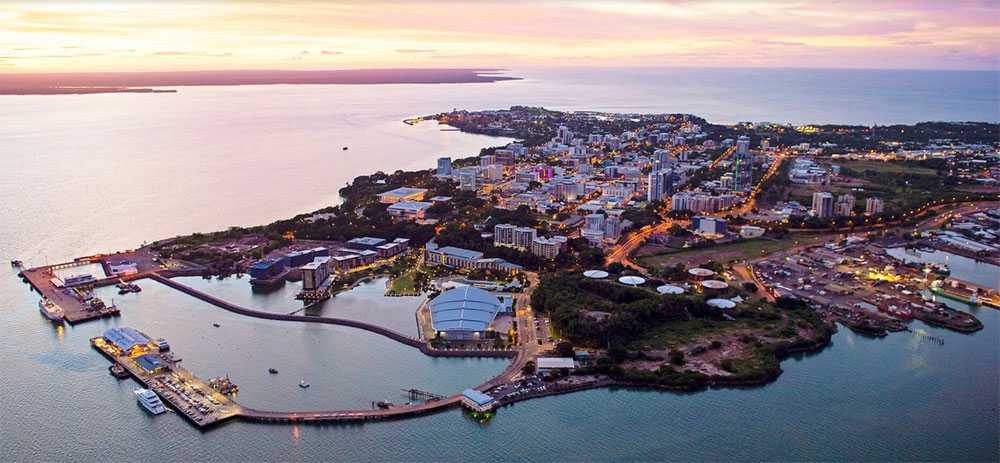
Program Status Update
Update on NT General Skilled Migration (GSM) nomination applications for 2025-26
The NT Government has now received sufficient applications to fill the nomination allocation for the 2025-26 program year.
The NT nomination portal is now closed to new applications. Applications lodged prior to the closure will continue to be assessed with outcomes to be provided by 30 June 2026.
New nomination applications will only be accepted by exception for applicants who meet the NT Graduate or NT Resident eligibility criteria and have one of the following visa deadlines falling before 31 December 2026:
Please note that the Northern Territory government cannot guarantee nominations before visa deadlines. Those who are onshore and have visas expiring should seek professional advice from a registered migration agent or legal practitioner on their visa options and ensure that they remain lawful in Australia.
People residing offshore are eligible to be considered for Northern Territory (NT) nomination. Invitations to apply for Northern Territory nomination will be via the ranking system.
The ‘Northern Territory Offshore Migration Occupation List’ identifies the occupations in current demand in the Northern Territory. This List is important if you want to apply for Northern Territory nomination for either a:
The ‘Northern Territory Offshore Migration Occupation List’ is only applicable for those applying for NT nomination from outside Australia, under the Priority Occupation stream.
Please note: The Northern Territory government has advised that offshore applicants will generally only be offered a Northern Territory nomination for a subclass 491 visa. Subclass 190 nominations will only be offered in exceptional circumstances, such as cases where the applicant has strong connections to the NT.
The NT advises eligible applicants to apply as soon as they meet the eligibility criteria. To receive a nomination from the NT Government, you must:
Before submitting an EOI for The Northern Territory, applicants should check that they meet all eligibility requirements.
For information on how to submit an application, view how to apply.
For a further explanation, see the Frequently Asked Questions page on the Northern Territory Government website.
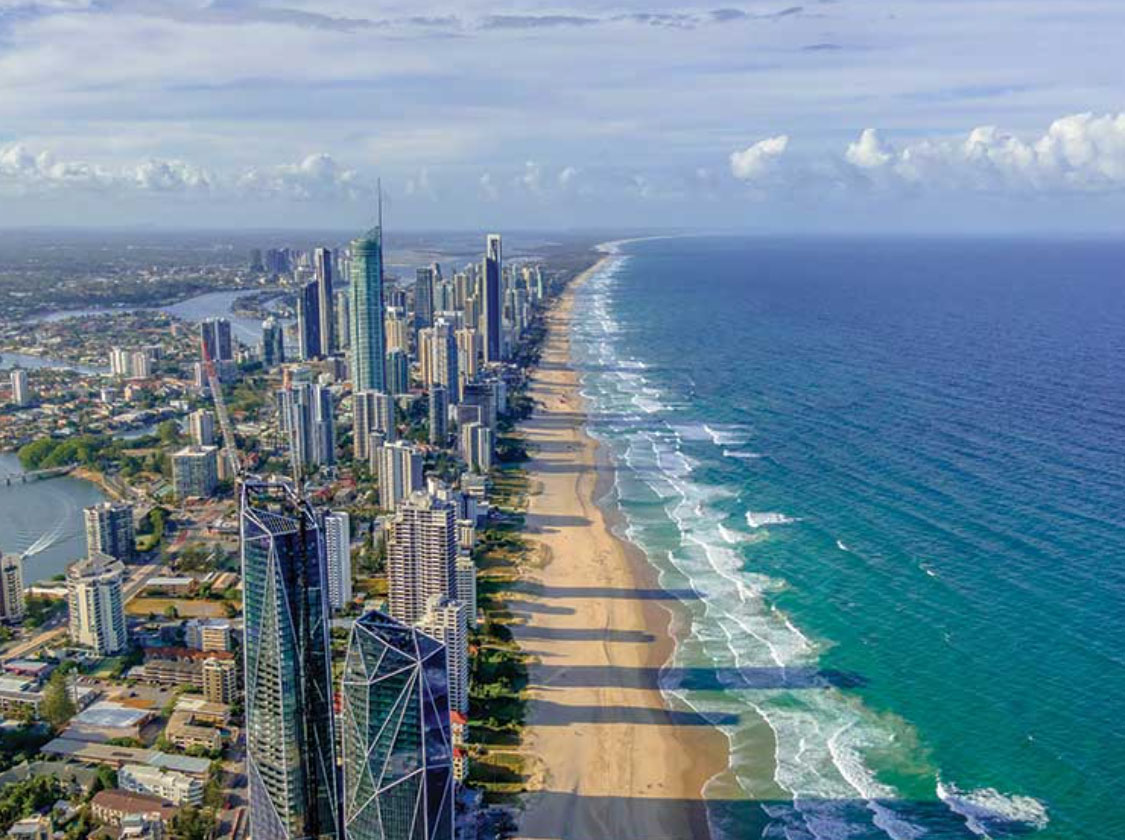
Program Status Update
Program Status Update: Important Announcement
On 2 September 2025, the Australian Government announced the total number of places in its 2025-26 Migration Program. But it is still finalising state and territory allocations.
Queensland will not open the 2025-26 State Nominated Migration Program until our final program allocation is confirmed.
You can however submit your Registration of Interest (ROI) for Queensland nomination from 19 September 2025, in preparation for the program opening.
In the meantime, take a look here at which skilled visas and pathways might best suit you, including instructions for how to apply for Queensland nomination.
Once the above mentioned temporary suspension is lifted, you may be able to proceed with Queensland’s usual skilled migration program. Program details below:
Depending on your occupation and situation, there are two state nomination options available for skilled migrants through Queensland.
For Queensland state nomination, prospective applicants must meet the Department of Home Affairs requirements, state-specific occupation requirements and have skills in an occupation that is available on the Queensland Skilled Occupation List.
You may undertake employment once onshore in Queensland through:
Offshore applicants meeting the minimum published requirements are eligible to lodge an Expression of Interest (EOI) on Skill Select and then a Registration of Interest (ROI) on the Migration Queensland portal.
Migration Queensland criteria requires you to:
The 2025-26 Skilled Migration Program is open to both onshore and offshore applicants and provides pathways for skilled workers, graduates, and small business owners.
Before submitting a Registration of Interest (ROI) for Queensland, applicants should check that they meet all eligibility requirements.
Note: In the EOI, select ‘Queensland’ as the only state of interest in the EOI, if you wish to be considered for an invitation to apply for Queensland nomination.
For information on how to submit an application, view how to apply.
For a further explanation, see the Frequently Asked Questions page on the Queensland Government website.
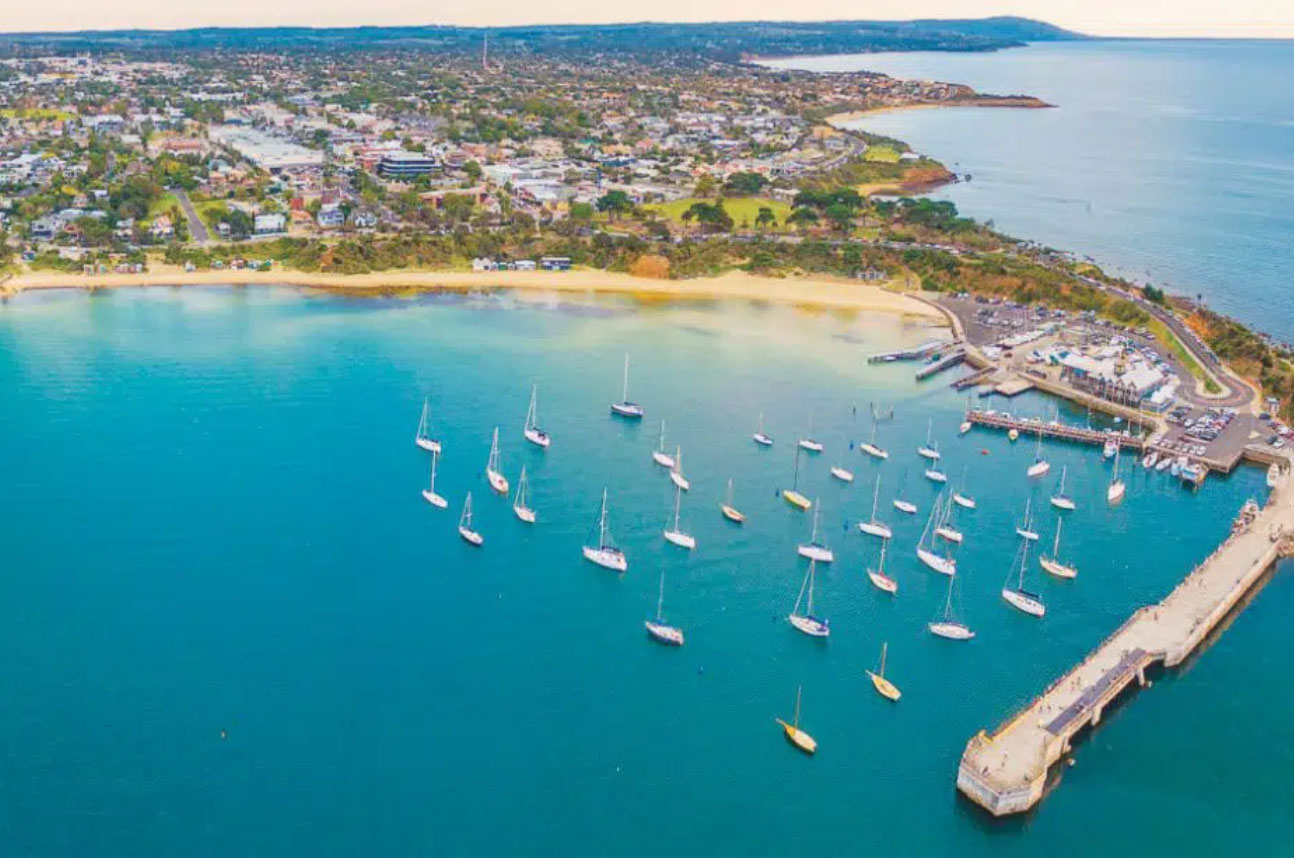 Program Status Update
Victoria’s 2025-26 skilled visa nomination program (subclass 190 and subclass 491) is now open.
Open to offshore applicants, the program provides skilled migrants with a pathway to permanent residency in Victoria. The skills that successful applicants bring to Victoria benefits employers and the broader Victorian economy.
The program provides two visa pathways:
As with previous years, applicants will first need to submit a Registration of Interest (ROI) and then be selected on competitive merit to apply for visa nomination.
*Please note: Invitation rounds occur frequently throughout the financial year with no set date.
To be invited to apply for Victorian skilled visa nomination, you must firstly make or update an Expression of Interest (EOI) via the Australian Government’s SkillSelect and then submit a Registration of Interest (ROI).
Both onshore and offshore applicants are eligible to submit a Registration of Interest (ROI) for both the subclass 190 and subclass 491 visas.
If you previously submitted an ROI in the 2024-25 and wish to be considered for invitation in the 2025-26 program, your ROI is still valid. You do not need to withdraw your ROI unless the information in the ROI has changed.
Your ROI will remain in our system for selection until it is withdrawn or selected.
You can check if your ROI is active via the Live in Melbourne portal. Login to your account > Applications > Click into the relevant NFR number > If active, the status will show ‘Submitted’ or ‘Received’.
Before submitting an ROI for Victoria, applicants should check that they meet all eligibility requirements.
For a further explanation, see the Frequently Asked Questions page on the Victoria Government website.
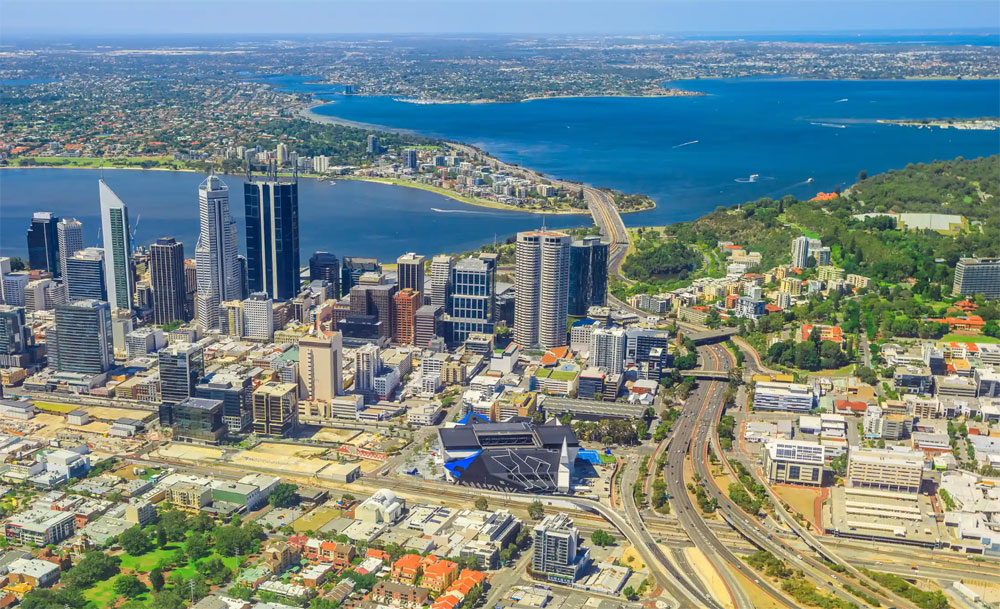
Program Status Update
Western Australia’s 2025-26 skilled visa nomination program (subclass 190 and subclass 491) is now open.
People residing offshore are eligible to be considered for Western Australia (WA) State nomination. Invitations to apply for WA State nomination will be via the ranking system.
The Western Australian Skilled Migration Occupation List identifies the occupations in current demand in Western Australia. This List is important if you want to apply for Western Australia nomination for either a:
Please note that to be eligible for an invitation in the WA State Nominated Migration Program, you must meet both:
Before starting your application, you will need to check whether your occupation is available on either the WA Skilled migration occupation list (WASMOL) Schedule 1 or 2, or the Graduate occupation list. You can search for your occupation here. (The occupation list search bar is located under the heading ‘Eligible Occupations’.)
Features of the 2025—26 program:
Before submitting an EOI for Western Australia, applicants should check that they meet all eligibility requirements.
For a further explanation, see the Frequently Asked Questions page on the Western Australia Government website.
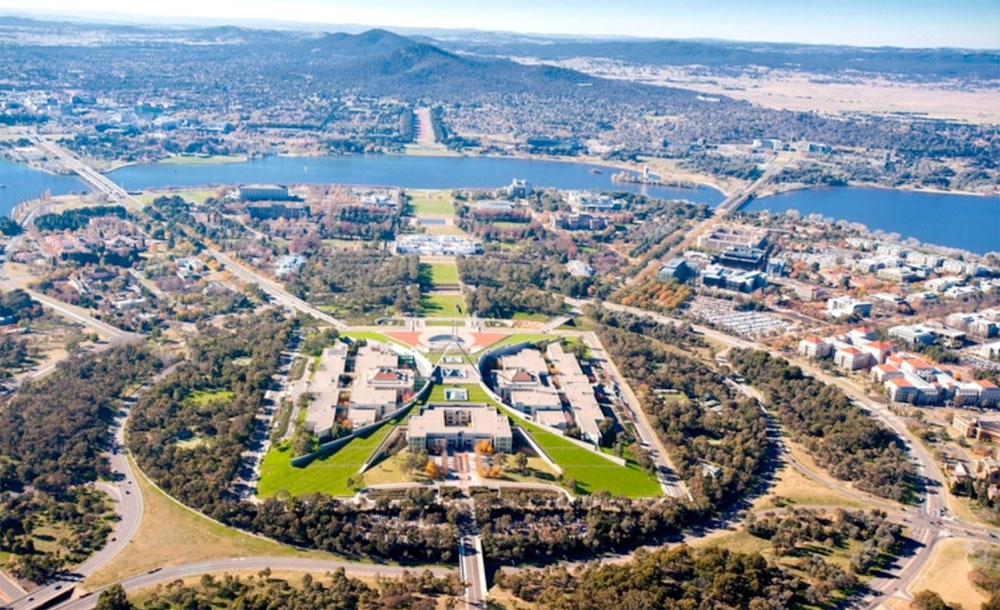
Program Status Update
Australian Capital Territory’s (ACT) 2025-26 skilled visa nomination program (subclass 190 and subclass 491) is now open.
2025-26 Nomination Allocation: The ACT has received a final nomination allocation of 1,600 places for the 2025-26 program year.
The ACT Critical Skills List identifies the occupations in current demand in the ACT. This List is important if you want to apply for ACT nomination for either a:
The ACT Government will update this list every four months to make sure that the ACT Skilled Migration Program adapts and responds to the evolving critical skills needs of the ACT economy.
The Canberra Matrix is weighted to ensure that applicants who will make a positive economic contribution to the Territory and/or have demonstrated a genuine commitment to the ACT are more likely to be ranked and invited to apply for ACT nomination.
*ACT nomination does not guarantee a migration outcome. You must still meet the Department of Home Affairs criteria.
Every month, a certain number of nomination invitations are available (prorated on the annual allocation) to those working in the highest ranked Matrix in each occupation.
You can view the ACT’s most in-demand skills for skilled migration by consulting the ACT Nominated Migration Program Occupation List.
Before submitting an EOI for The Australian Capital Territory, applicants should check that they meet all eligibility requirements.
Once you’ve submitted a valid Department of Home Affairs Skill Select EOI, follow the ACT Government Process to apply for ACT nomination.
For a further explanation, see the Resources page on the ACT Government website.
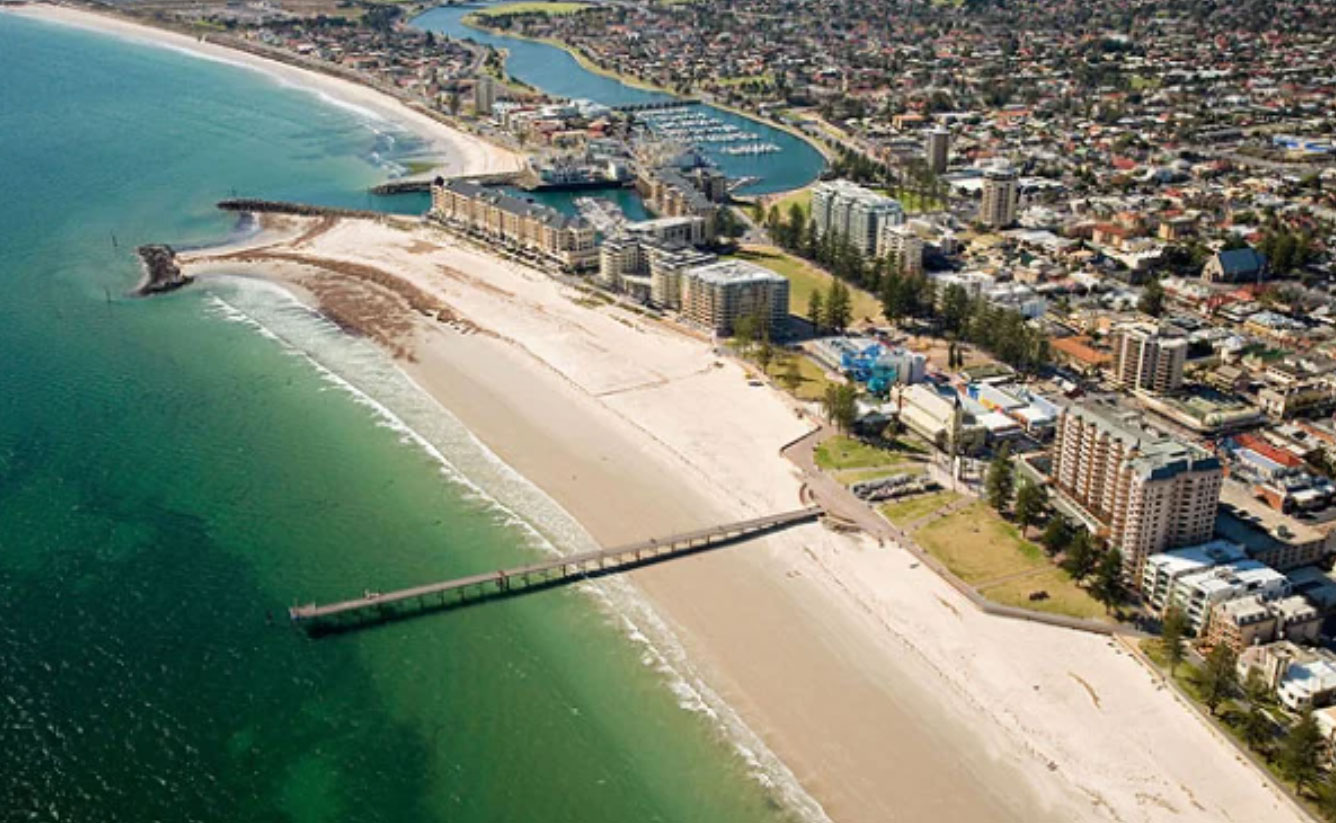
Program Status Update
South Australia’s 2025-26 skilled visa nomination program (subclass 190 and subclass 491) is now open.
Depending on your occupation and situation, there are two state nomination options available for skilled migrants through South Australia.
For South Australian state nomination, prospective applicants must meet the Department of Home Affairs requirements, state-specific occupation requirements and have skills in an occupation that is available on the South Australian Skilled Occupation List. Offshore applicants meeting the minimum published requirements can now lodge an Expression of Interest (EOI).
There is an enormous range of occupations on South Australia’s Skilled Migration Occupation List in a range of industries – search for your occupation here.
South Australia will select offshore applicants to apply for state nomination from those who have submitted an Expression of Interest (EOI) through SkillSelect. Offshore applicants will not need to lodge a Registration of Interest (ROI) for this year’s program. South Australia will be nominating offshore applicants from over 250 occupations on South Australia’s Skilled Migration Occupation List.
If you are currently residing offshore and seeking to move to South Australia, the first step is to create an Expression of Interest (EOI) in SkillSelect ensuring you select South Australia as your first preferred State or Territory.
The South Australian Government can then review your EOI for consideration under the Skilled Nominated (Permanent) visa (subclass 190) or Skilled Work Regional (Provisional) visa (Subclass 491).
For most occupations, applicants must have a minimum of three years of skilled employment in their nominated or related occupation within the last 5 years to secure an invitation to apply for SA nomination.
South Australia will be assessing candidates on merit by the following factors:
For occupations in the construction trades (as listed here) applicants must have a minimum of one year of skilled employment in their nominated or related occupation within the last 3 years.
Applicants in the construction trades will be assessed on merit by the following factors:
Before submitting an EOI for South Australia, applicants should check that they meet all eligibility requirements.
For a further explanation, see the Frequently Asked Questions page on the South Australia Government website.
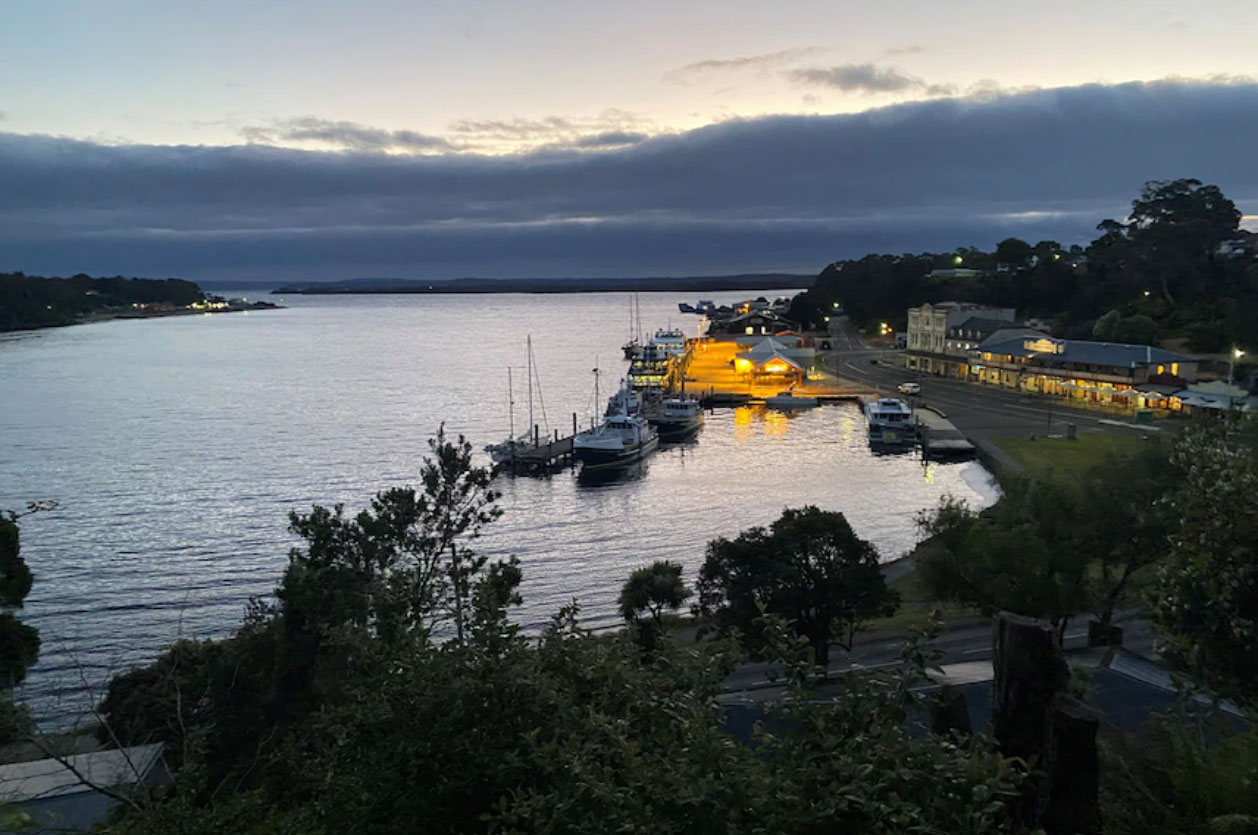
Program Status Update
Tasmania’s 2025-26 skilled visa nomination program (subclass 190 and subclass 491) is now open.
Migration Tasmania has received our full allocation from the Australian Government and has commenced inviting ROIs on a weekly basis.
Tasmania has now received its full nomination allocation for the 2025-26 program year.
In total, including interim allocations, this comprises:
Migration Tasmania has now commenced weekly invitations to apply for nomination.
Information will be posted on the Migration Tasmania website every week detailing:
Program Changes and New Features
Following analysis of program outcomes and stakeholder feedback, updates have been made to improve the application process, clarify requirements and priorities, and manage program risks.
Key changes include:
Detailed information about the changes can be found HERE
Candidates who have submitted an ROI in the last six months may wish to withdraw it and submit a new one, as the changes to priority attribute ranking criteria may significantly improve chances of selection.
Processing times and remaining nomination quota are updated every week on the Migration Tasmania website HERE
Working in Tasmania
The two state nomination options available for skilled migrants through Tasmania are:
The Tasmanian State Nomination Skilled Migration Program supports Tasmanian businesses and increases the state’s working age population. It does this by attracting and retaining migrants with skills genuinely in need by employers, or with the capacity to settle in Tasmania through skilled employment in the long-term, and business activities that will increase employment opportunities.
Tasmania’s skilled migration program is for people wanting to move to the state who have skills that Tasmania need. Skilled migrants are attracted to Tasmania because of the state’s enviable lifestyle, career opportunities, affordable housing, reputable schools and a globally recognised university.
The Migration Tasmania Application Gateway is now available for registrations of interest (ROI) and applications for skilled visa nomination from Tasmania.
Anyone seeking Tasmanian nomination for a Subclass 190 Skilled Nominated Visa or Subclass 491 Skilled Work Regional Visa must first register in the Migration Tasmania Application Gateway .
Before submitting an ROI for Tasmania, applicants should check that they meet all eligibility requirements for either;
For a further explanation, see the Frequently Asked Questions page on the Tasmania Government website.
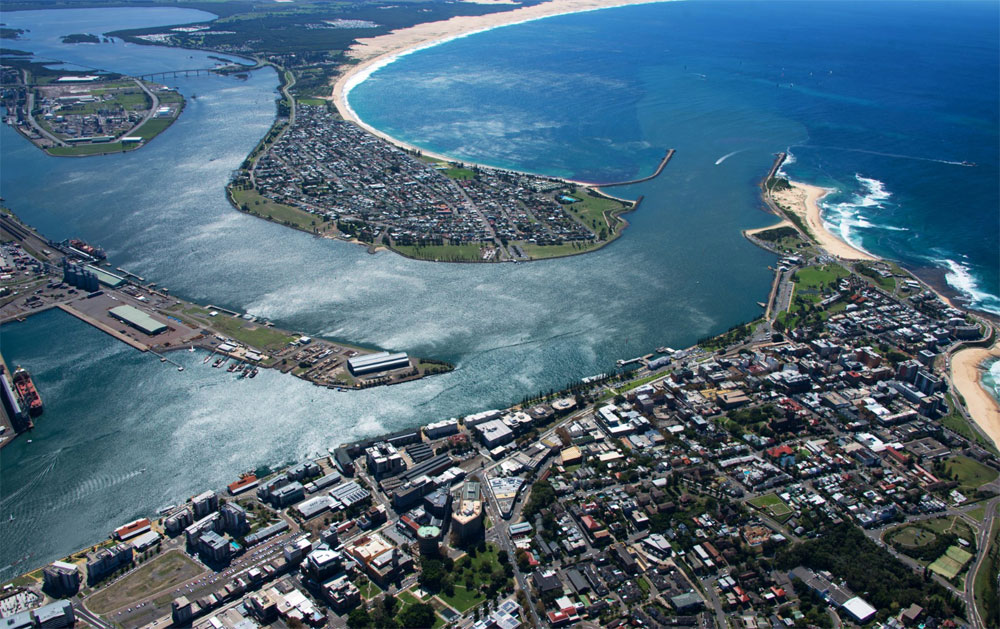
Program Status Update
NSW 2025-26 skilled visa nomination program (subclass 190) is now open.
Important Notice: Closure of the Skilled Work Regional Visa (Subclass 491) Pathway 1 and Pathway 3 to new applications
Subclass 491 Pathway 1 and Pathway 3 are now closed to new applications for the program year which ends 30 June 2026.
Due to an overwhelming response, NSW has reached their allocation for the Skilled Work Regional visa (subclass 491) under Pathway 1 and Pathway 3.
Therefore, NSW has closed the application portals, and you will no longer be able to lodge an application under Pathway 1 and Pathway 3.
Applications that have already been submitted will be finalised, and there is no need to take further action.
For a further explanation, view the following page on the NSW Government website.
The New South Wales government has invited applications from offshore migrants under the following nomination streams:
The NSW State Government announced that offshore applicants skilled in certain ANZSCO unit groups are eligible for NSW nomination.
*Please note: Invitation rounds occur frequently throughout the financial year with no set date.
NSW invites and nominates SkillSelect EOIs at the ANZSCO unit group level. To be eligible for NSW nomination (for either Subclass 190 or Subclass 491), your occupation must fall within an ANZSCO unit group identified on the NSW Skills List which reflects skills in high demand across the state, and be eligible for the visa.
Before submitting an EOI for New South Wales, applicants should check that they meet all eligibility requirements for either;
For a further explanation of how the skills list works, see the Common questions about skilled visas page on the NSW Government website.
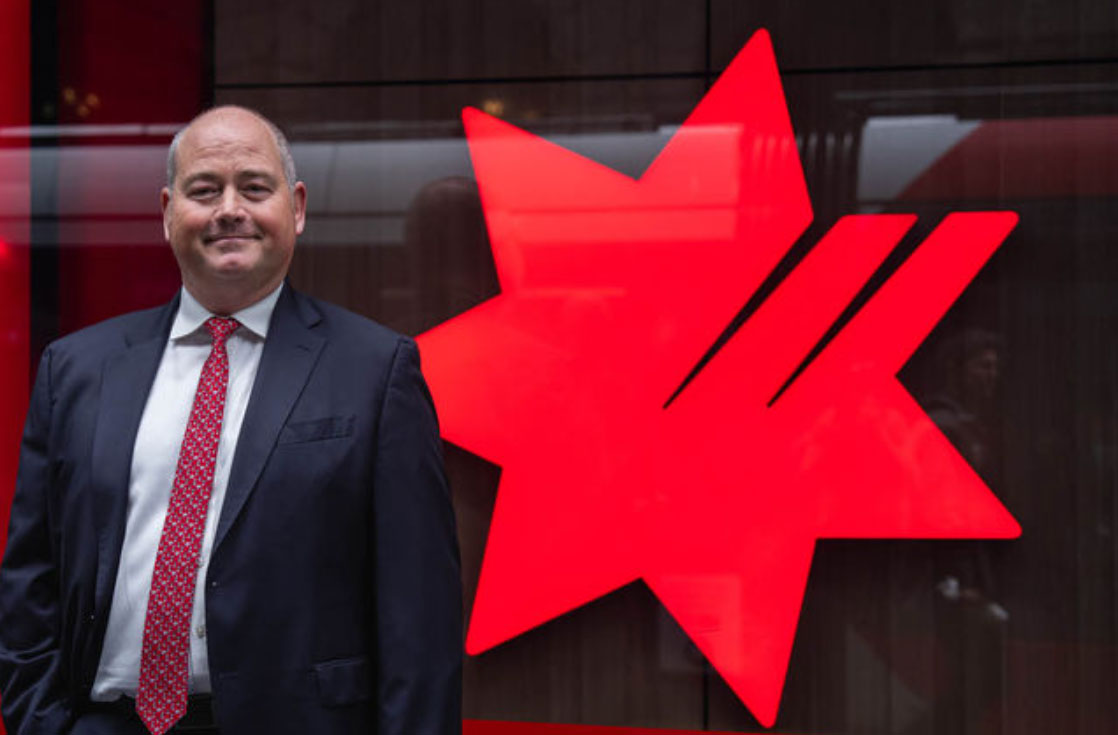
NAB Bank CEO Andrew Irvine has shared his reflections on the economy for the year ahead, saying Australians continue to have many reasons to feel optimistic.
“The economy has room to grow; but the challenge is that we don’t have any excess capacity. Productivity will be important so that the economy can grow faster,” he said.
Mr Irvine said productivity reform was critical to sustaining growth and lifting living standards where reform could make meaningful changes; Artificial Intelligence (AI) and energy; as well as housing, and red tape and complexity.
Artificial Intelligence
Mr Irvine said artificial intelligence was one of the most consequential innovations of our lifetime and would transform the way we live and work.
“Whenever you have capital moving into an industry, you will have winners and losers. We saw that in the 90s with the dot com crash. The internet changed the world, but we still saw a crash. AI will also change the world, but it will have challenges and its pathway won’t be linear,” Mr Irvine said.
“At NAB, AI has become an integral part of how we operate. We are upskilling our workforce and harnessing its potential. We’ve deployed advanced virtual assistants that have improved customer satisfaction, reduced wait times and freed up our teams to focus on more complex customer needs. Our software engineers and data scientists are using AI tools to write code faster and with greater accuracy.”
Looking ahead, Mr Irvine emphasised that AI would continue to drive efficiency and productivity gains, while reaffirming that technology will complement – not replace – the human relationships that remain central to banking.
“AI will continue to transform the way we work and how well and fast we do it, streamlining processes, enhancing productivity and supporting our people to deliver better outcomes. While technology will never replace the importance of human relationships in banking, we will continue to unlock the benefits of AI safely and responsibly.”
Energy
On energy, Mr Irvine stressed the need for faster approvals for energy projects and significant investment in renewable projects and infrastructure.
“High energy costs are hurting households and holding back manufacturing,” Mr Irvine said.
“As a country, we need to do a much better job of getting energy to market, both renewable and natural gas, to help decarbonise the grid, get rid of coal and become the energy superpower we should be,” he said.
“We need huge investment into the grid, as well as faster and more approvals of renewable projects and gas projects. Project approvals are still too slow in this country.
“If we get the settings right, get more projects approved and more investment in the grid, Australia can be an energy superpower and still meet its net zero ambitions,” Mr Irvine said.

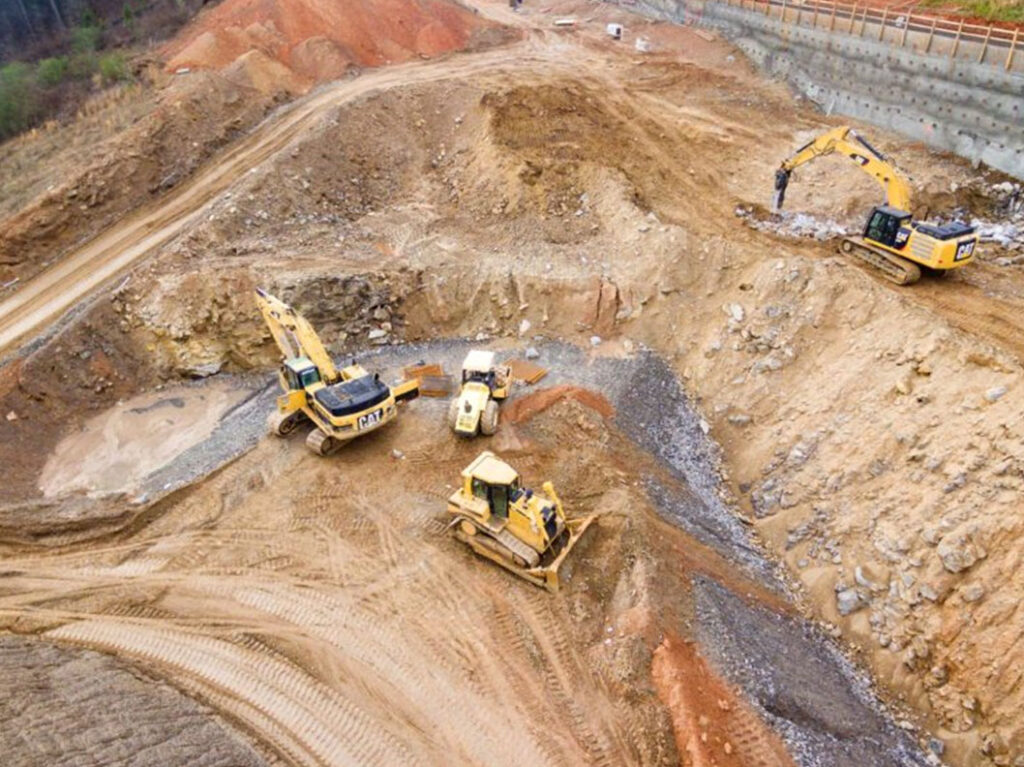
Australia emerges from the global mineral dependency revolution as the critical supplier whose production capacity and resource diversity positions it as the primary force that Australia powers global mineral boom. The continent’s unique geological endowment, combined with decades of infrastructure investment and technological advancement, creates a supply hub that influences pricing, availability, and strategic planning across major economies worldwide.
Economic analysis reveals that contemporary society consumes approximately 15 times more minerals per capita compared to pre-industrial periods, with consumption rates accelerating rather than stabilising as economies mature. Unlike previous resource booms driven by single commodities or regional demands, today’s mineral requirements span multiple sectors simultaneously.
Furthermore, renewable energy infrastructure, digital technology, transportation electrification, and defence systems all compete for the same finite resources. This transformation extends beyond traditional commodity cycles, establishing permanent structural changes in how nations compete for resource security.
The Magnitude of Australia’s Export Dominance
Australia’s mineral and metals exports reached AUD $301.7 billion in 2023-24, representing a 2.9% increase that demonstrates sustained global demand despite economic uncertainties. This figure encompasses the full spectrum of mineral commodities, from iron ore price trends to emerging critical minerals essential for energy transition.
Iron ore alone accounts for approximately AUD $80-90 billion annually, making it Australia’s largest single mineral export by value. This represents roughly 900 million tonnes of production, constituting approximately 50% of global iron ore output. The scale becomes more significant when considering that this production feeds directly into steel manufacturing that supports global infrastructure development.
Australia’s market position across multiple commodities creates unprecedented influence over global pricing mechanisms:
The diversity of this commodity portfolio reduces economic volatility whilst ensuring continued relevance as global demand patterns shift toward energy transition minerals.
Western Australia’s Pilbara region operates as the world’s most concentrated iron ore production hub, with three major exporters (BHP, Rio Tinto, and Fortescue Metals Group) combining to produce over 400 million tonnes annually. This geographic concentration creates operational efficiencies impossible to replicate in more dispersed mining regions.
Queensland’s coal infrastructure handles approximately 187 million tonnes of both thermal and metallurgical coal, representing 27% of global thermal coal exports and 60% of global metallurgical coal exports. The state’s integrated rail and port systems can process this volume efficiently, maintaining Australia’s competitive cost structure.
The Port of Dampier in Western Australia and Port of Hay Point in Queensland demonstrate infrastructure scale, with combined annual throughput exceeding 600 million tonnes. This capacity enables Australia to respond rapidly to demand fluctuations while maintaining supply reliability that competing nations struggle to match.
Mining and mineral processing contributed approximately 9-10% of Australia’s GDP in 2023-24, but the economic impact extends far beyond direct production value. The sector directly employs approximately 238,000 workers, with indirect employment estimated at over 500,000 positions across supply chain and service industries.
Each mining job typically supports 2.1 additional jobs in related sectors, creating economic multipliers that benefit regional communities and national economic stability. Mining towns and service centres depend entirely on mineral production, while major cities benefit from corporate headquarters, research facilities, and financial services supporting the industry.
Moreover, global taxes and royalties from mining operations provide substantial government revenue that funds infrastructure, education, and social services. State governments collect billions annually in mining royalties, whilst federal corporate taxation on mining profits supports national fiscal capacity.
China’s Manufacturing Hub Creates Structural Demand
China imported approximately 66-68% of Australia’s iron ore exports in 2023-24, representing roughly 560-580 million tonnes annually. This volume reflects China’s position as the world’s dominant steel producer, with Australian iron ore feeding directly into manufacturing capacity that supplies global markets.
The bilateral trade relationship extends beyond iron ore to include 45% of Australia’s coal exports (approximately 50-55 million tonnes) destined for Chinese power generation and steel production. Australian lithium exports to China-affiliated battery manufacturers represent 35-40% of Australia’s total lithium production by volume.
Total Australian exports to China exceeded AUD $190 billion in 2023-24, with mineral and metal commodities comprising approximately 75-80% of this value. This trade relationship represents Australia’s largest single bilateral export partnership, generating approximately 95,000+ direct and indirect jobs domestically.
Geographic proximity provides Australia with significant cost advantages over alternative suppliers. Shipping costs from Australian ports to Chinese manufacturing centres are 15-25% lower compared to suppliers serving the same markets from African or South American origins.
Infrastructure Investment Generates Sustainable Returns
Capital expenditure in Australian mining infrastructure exceeded AUD $20 billion in 2023-24, with approximately 45-50% directed toward iron ore and coal export logistics. This investment maintains and expands capacity whilst improving operational efficiency across the supply chain.
Port authorities invested approximately AUD $2.5-3 billion in terminal expansion and maintenance across major bulk export facilities. These investments generate estimated ROI of 12-15% annually based on export revenue growth relative to capital expenditure ratios.
Australian mining companies have cumulatively invested more than AUD $50 billion in rail and port infrastructure since 2010. This integrated approach to supply chain development creates competitive advantages that emerging producers cannot replicate without similar long-term capital commitment.

If you’ve decided that going to university isn’t the thing for you, there are plenty of careers that don’t require a degree – some of them high paying and in demand.
If you’re wondering what kind of good-paying jobs without degrees are out there, this guide provides examples of roles that are both fulfilling and financially rewarding, across a range of industries.
In this article, explore different jobs and their expected salaries, the specific skills they require, and resources for finding a high-paying job without a formal qualification in Australia.
What are high-paying jobs without qualifications in Australia?
High-paying jobs without qualifications can be found across a wide range of industries. They don’t require you to have a formal degree, instead they require technical skills and practical experience, with most providing on-the-job training.
This includes: trade careers, such as plumbing, electrical and carpentry; creative jobs, like social media managers and photography; hospitality management jobs; human resources; project management; and a variety of tech roles. You can start these careers when you’re young, and after gaining an entry-level role, you can work your way up with training and experience to a more senior high-paying job.
High-paying jobs that don’t require a degree
Whether you’re just starting your career or you’re wanting to pivot to a new field, you can find a career path that plays to your skills and passions – and doesn’t require you to go to uni. Here’s a closer look at some of the best jobs in Australia without a degree across a range of industries.
Social media manager
Average salary: $90K
Social media managers create strategies and digital content to help increase the visibility and engagement of social media profiles. You can work with an agency, a company or freelance, supporting businesses with their content calendars. Before you can progress to manager and strategy level, you’ll likely be responsible for more hands-on social media duties, like creating the content, posting it, and measuring its performance.
While you don’t need a degree to be a social media manager, it’s a competitive field, and to break into it you’d need a content portfolio and your own successful social media channels, to demonstrate your skills and knowledge. You’ll also need great communication skills, attention to detail, and organisation skills.
Construction manager
Average salary: $185K
Construction managers organise and supervise construction teams and on-site operations. A background in construction is required as you would need to interpret architectural drawings, direct workers and liaise with owners, property developers and sub-contractors.
Working your way up to a construction management role is a good career path for entry-level construction workers, as you’ll already have your required white card and any state-required licences. You don’t need a degree, but attaining a Diploma of Building Construction (Management) can help speed up your career progression. You would also need other essential skills like project management, leadership and communication skills, which can all be learned on the job.
Driller
Average salary: $135K
Drillers who can operate drilling rigs are in high demand in the mining and construction industries, which often experience labour shortages. As mine sites are generally in remote locations, drillers command higher salaries to offset the inconvenience and lack of work-life balance that comes with living on-site and fly-in-fly-out jobs.
While you will need a Certificate III or IV in drilling, you don’t need a university qualification and most companies offer additional on-the-job training specific to the jobsite. You need a year 10 certificate to get into an entry-level drilling job and to progress your career you need technical and practical knowledge related to operating machinery, as well as a high level of physical strength and fitness, and excellent teamwork skills.
Site supervisor
Average salary: $120K
Site supervisors oversee construction sites and teams of workers to ensure work quality and compliance with workplace health and safety regulations. A site supervisor makes sure construction work flows smoothly, assesses risk at the jobsite, arranges maintenance of equipment, monitors and records progress, and works with senior management and stakeholders to help keep a project on track.
To work on a construction site, you need a white card, but can often progress to working as a site supervisor after having gained experience on a worksite as a builder. Site supervisors need soft skills like strong leadership skills, communication skills, and project management skills.
Security manager
Average salary: $95K
Security managers oversee security operations for companies, private clients, and events. This can include managing security teams, creating security policies, reviewing incident reports, gathering security intelligence, mitigating risk, and coordinating responses to emergencies.
You will likely need a Certificate II in Security Operations, as well as a first-aid certificate, and be able to pass a national police check, but some companies will provide all the training you need. You’ll need clear communication skills, interpersonal skills, and the ability to remain calm and think critically under pressure.
Recruitment manager
Average salary: $105K
A recruitment manager looks after hiring activities for a business, such as placing job ads, vetting applicants, assisting with interviewing and maintaining staff records. They work closely with team and department managers to ensure they employ people with the right skills and qualifications.
A certificate in human resources would help you become a recruitment manager, but like many other high-paying jobs without a qualification, it’s a position you can work your way up to through internal promotions. Recruitment managers rely on interpersonal skills like communication, problem solving and decision-making.
HR manager
Average salary: $130K
Human resources managers, or HR managers, usually work internally at an organisation, managing employee matters. As a HR manager, your duties may include hiring, onboarding and offboarding staff, assisting with performance management, handling employee disputes, and ensuring the company is compliant with employment regulations.
A Certificate IV in Human Resources Management can fast-track your career, but generally once you have joined an HR department within a company you can work your way up with in-house training. You’ll need strong interpersonal skills, critical thinking, good organisation, and empathy to succeed in this role.
Electrician
Average salary: $100K
Electricians have one of the highest-paying jobs in Australia without a qualification, with a career path accessible through an apprenticeship. As an apprentice, you earn while you learn on the job, eventually becoming a fully qualified electrician. Duties include tasks like installations, maintenance and repair of electrical systems and appliances, removing electrical hazards and more.
Once you have completed your apprenticeship, you can advance to different specialties or start your own business to increase earning potential. As an electrician, you’ll need excellent attention to detail, specific technical abilities, problem-solving and time-management skills.
Real estate agent
Average salary: $70K
Real estate agents help people buy, sell, lease and rent properties. Your earning potential as a real estate agent is generally tied to the value of the properties you’re managing. Duties include performing appraisals, marketing properties, managing rental contracts, visiting properties and conducting inspections.
A Certificate IV in Real Estate Practice is required to get started. Real estate managers must also have strong interpersonal skills to build client relationships. An understanding of the real estate market in your area is essential.
Office manager
Average salary: $83K
Office managers take care of an organisation’s clerical and administration duties. Responsibilities encompass everything to do with maintaining the smooth operation of an office, and may include hiring, training and supervising admin and support team members, looking after records and accounts, assisting with clients, office inventory, and budgeting.
You don’t need any formal qualifications, but a Certificate III in Business (Administration) can provide a good foundation. In this role, you need strong communication, organisation and interpersonal skills.
App developer
Average salary: $108K
App developers are high in demand in Australia, designing and creating software applications. Knowledge of coding languages is required, as is an aptitude for picking up new concepts and translating them to software. As an app developer, you have the flexibility to work in-house at a company, on different jobs for an agency, or as a freelancer.
Courses in app design and development will teach you relevant technical skills, but you can be self-taught to acquire a high level of coding ability. In addition to technical skills, app developers also need strong critical-thinking and problem-solving skills.
Carpenter
Average salary: $80K
Carpenters specialise in building, installing and repairing wood structures, including houses and frames for buildings, and generally working with timber. The day-to-day duties of a carpenter may include working with plans and drawings to build structures, preparing and treating timber, working as part of a team at a construction site, doing repairs to properties or designing and making furniture.
To become a carpenter, you need a trade qualification and to complete a paid apprenticeship. You need strong attention to detail skills, as well as problem-solving skills and time management.
Project manager
Average salary: $140K
Project managers take the lead on planning and executing projects throughout their entire timeline. They manage (and sometimes hire) teams, oversee budgets and performance, and take responsibility for the project reaching milestones on time.
There are no minimum qualifications for starting a career as a project manager, though a Certificate IV in Project Management Practice can provide good foundations. To be a good project manager, you need strong interpersonal skills, and excellent organisation and time-management skills, alongside the ability to multi-task and stay calm under pressure. You also need technical knowledge in a specific industry, which you’d learn on the job.
Hospitality manager
Average salary: $85K
Hospitality managers work in venues like hotels, restaurants, bars and cafes, overseeing operations and supervising wait staff. Many people become hospitality managers after working up from an entry-level position as a waitperson, bartender or housekeeper.
The specific skills and knowledge required depends on the setting, though all managers must have good people skills, excellent organisation, conflict resolution abilities and critical thinking skills. Duties include hiring and supervising staff, scheduling shifts, liaising with guests, managing inventory, and more.
Plumber
Average salary: $85K
Plumbers design, install, maintain and repair water, drainage, gas and sewerage pipes and systems. There are many different specialist areas within plumbing, such as working on home and building construction; fitting bathrooms, kitchens and laundries; pipefitting, and more.
To work as a plumber, you need to complete a paid apprenticeship and attain a Certificate III in Plumbing from TAFE. Other skills you need include problem-solving, critical thinking, and good communication.
There are many high-paying jobs in Australia without a degree for you to explore – many more than are listed above. There are opportunities across the trades, hospitality, tech and even in corporations. Lucrative career paths are possible for workers without a degree willing to learn on the job or get a TAFE certification.
While you may not earn a high salary at first, after gaining experience, developing technical abilities and using transferable skills, you’ll unlock opportunities to advance to higher-paying roles. Keep an eye on job boards like SEEK.com.au to find the best jobs in Australia that don’t need a degree.
FAQs
What is the highest paying job without a degree in Australia?
One of the highest paying jobs without a degree in Australia is construction manager. The typical salary for a construction manager is $195K, a position that requires on the job training and practical experience rather than university qualifications.
What is the highest paying unskilled job in Australia?
There are many ‘unskilled’ jobs that pay well in Australia. Social media manager is one of the highest-paying unskilled jobs in Australia, with an average salary of $90K a year. See our list above for more ideas.
What is the easiest but highest paid job?
Social media manager, human resources manager and real estate agent are some easier, but higher-paying jobs. They don’t require any formal training, they aren’t shift work, they don’t involve physical labour, and they offer good work-life balance. The easiest but highest paid job in Australia ultimately depends on your own skills and what you feel is easy and enjoyable for you.
What trade job pays the most?
Construction management, drilling, electrical, carpentry and plumbing are some of the highest paying trade jobs in Australia. As trades they require trade certificates rather than degrees, which involve doing an apprenticeship so you can ‘earn as you learn’ on the job.

“Depending on your experience, qualifications and contacts, you can be earning a lot of money.”
Several trade workers have revealed how much they’re getting paid and it’s revealed the enormous salary spectrum in the building, construction and mining industries. Some are pulling in below-average pay as they might have just graduated from their apprenticeships while others are earning the big bucks.
While blue-collar work has previously been overlooked as an area to make money, the tide is slowly turning. Recruitment expert Graham Wynn said that trades are a highway to retiring early.
“I tell any parents, ‘Get your kids into a trade’. That’s where the money is,” Wynn said. “A lot of these guys start their own businesses further down the track and, by the time they are 50, they are retired.”
$1,100 per week working in glass
One of the tradies who spoke to jobs app GetAhead revealed he was pulling in about $1,100 per week as a glass worker, which equates to about $57,200 a year.
The tradie said it can be a fairly stressful job because the main material he’s working with day-in and day-out can be very fragile.
“Glass is glass, bro,” he said, before being asked what happens if he accidentally cuts himself. “Oh, just keep working. I literally just kept working.”
The glass worker said there’s a fork in the road if he wants to pursue this line of work, which is doing an apprenticeship to become a glazier, who traditionally handles the installation of glass, or he can go further into the glass cutting side where he’d learn how to work industrial cutting machines.
Nearly $300,000 in the mines
There is no shortage of stories from people who got into the mining industry and started earning huge amounts of money.
But one bloke revealed how he’s managing to pull in nearly $300,000 per year.
The underground coal miner said he “works for himself” and added that “anyone can do it”.
He first got into the industry at just 17 years old and revealed his whole family had been working in the mines as well. While he said virtually any Aussie can sign up to the job, he admitted it’s not for everyone.
“I don’t get scared but there are other people that have come down for the first time and wanted to get straight back out because they couldn’t handle it,” he said. “It is a dangerous job.”
Minimum $72,800 as a traffic controller
There has been a lot of noise this year about how much traffic controllers get paid.
One tradie said he was pulling in $35 per hour to ensure the roads around the construction site were safe for workers, pedestrians, cyclists and motorists.
“Anyone who wants a sort of bludge job where you don’t have to do much – traffic control is definitely the way to go,” he said.
“You literally get paid to stand here and apart from that there are definitely worse gigs out there.”
His hourly rate works out to be about $72,800 per year based on an eight-hour daytime shift. The pay can go up substantially if you’re working overtime or overnight.
Abseiler earning $4,000 per week
If you’re not afraid of heights and are a night owl then you can be earning up to $4,000 per week or about $208,000 per year.
That’s what one abseiler said he was pulling in doing overnight shifts in Brisbane.
When he works during the day, his pay is “obviously” less than that staggering amount but it’s still very decent.
“I got sick of working in a shed, working on boats and stuff,” he said when asked how he got into the job. “Hated it… Going to the same place. [But now] every day you’re outside, you get to do what you love.”
The tradie said all that was needed to get into the profession was a five-day course and he was able to start going up and down the outside of buildings, where he’s responsible for glazing, cladding, concrete work and other tasks.
Crane operator making more than $200,000
While pulling in a healthy $200,000 every year might sound good, a crane operator opened up about the downsides of the job.
To earn that much money, he said he was working between 40 to 70 hours a week.
When asked about the work-life balance, he admitted it was “hard on the family”.
“There’s gotta be a lot of compromise with the family, for sure,” he explained.
Not only that, but the job sounds fairly dangerous as he’s had some “pretty close calls” while on a site.
He got into the industry because he “loves being outside” and was interested in cranes, so he followed his passion.
Despite the time away from his family and the risks attached to the job, he encouraged others to consider applying.
“Yeah, it’s worthwhile, definitely worth doing,” he said. “It’s a great industry to be in, especially construction. Yeah, loving it.”
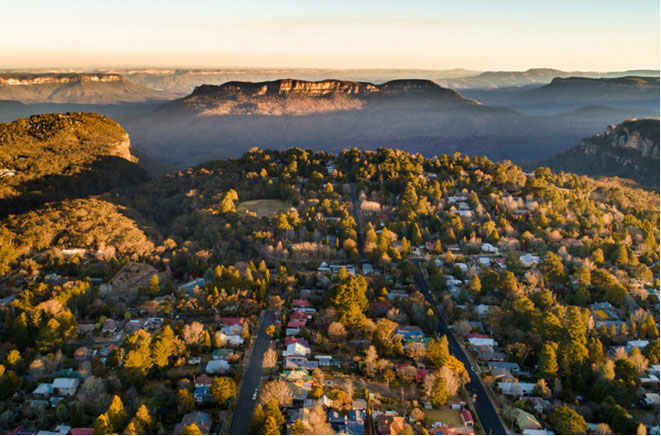
These picturesque towns close to Sydney offer a reprieve from city life with cosy markets, a slew of outdoor activities, excellent restaurants and stunning architecture.
NSW is dotted with several picture-perfect towns with miles of rolling hills, lush forests, cascading waterfalls and spectacular beaches. These small towns offer unique experiences and natural scenery perfect for all types of travellers. Resisting the pace and bustle of their metropolitan counterparts, you’ll get everything at these quaint spots from cobblestone streets and vintage shops to well loved wineries and more. If you’re looking to get out of the city, add these small towns just under two hours from Sydney to your list.
1. Berrima, Southern Highlands

Berrima is considered Australia’s best-preserved village from the 1800s with plenty of old-school buildings and shops that are still standing. Take a step back in time and enjoy a moment of pause at this idyllic spot within easy reach of the city. The Berrima Heritage Walk will take you through the town’s history from the 1830s. As you saunter along Berrima’s main street, you’ll find a number of quaint cafés, antique shops and bakeries lined throughout the historic village. Other must-do activities include the Berrima River Walk where you can spot a platypus or two and the heritage Courthouse Museum.
If your idea of an ideal weekend includes a book, a cosy corner and a drink, make sure to stop by Berkelouw Book Barn. At the century-old bookhouse, you’ll find many literary treasures and a quiet space all to yourself. It also doubles up as a winery which is a plus.
2. Berry, South Coast NSW
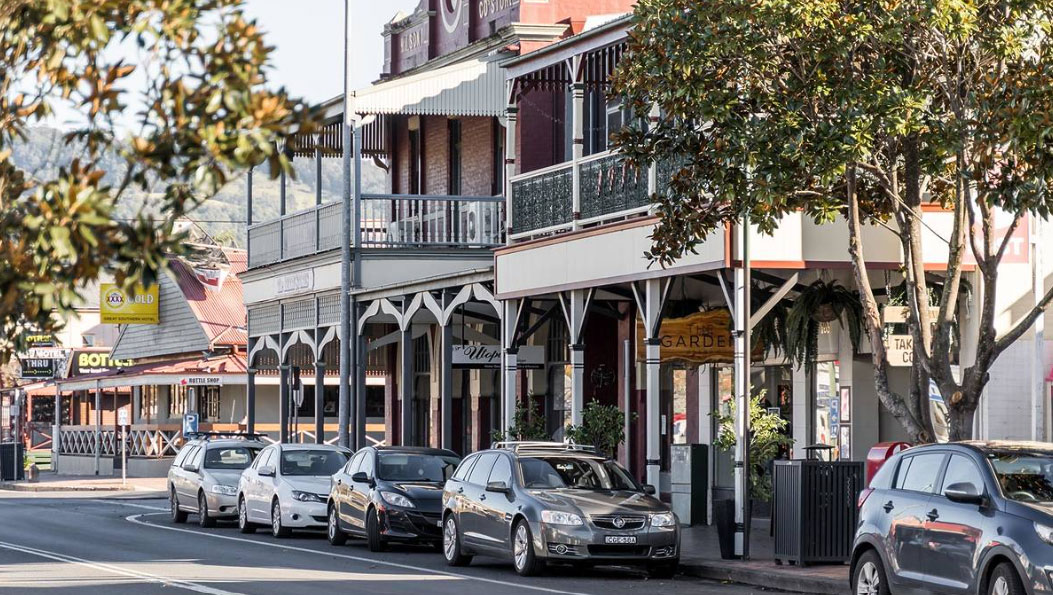
Berry has been named NSW’s best Small Tourism Town and it’s a fail-safe weekend getaway from Sydney with plenty on offer. Located in the Shoalhaven region of the NSW South Coast, Berry provides visitors with a little bit of everything along with a tight-knit community atmosphere. Head to the Berry Historic Museum and learn more about the town’s history or browse for souvenirs in one of its many heritage shops. Spend a lazy afternoon at The Berry Tea Shop or indulge your sweet tooth at The Treat Factory. A visit to Berry is incomplete without a stop at its iconic Donut Van which serves delicious cinnamon-spiced donuts and coffee.
Don’t forget to make a pitstop at the The Berry Markets, famous for their local produce, flowers, breads and cheeses.
3. Bowral, Southern Highlands
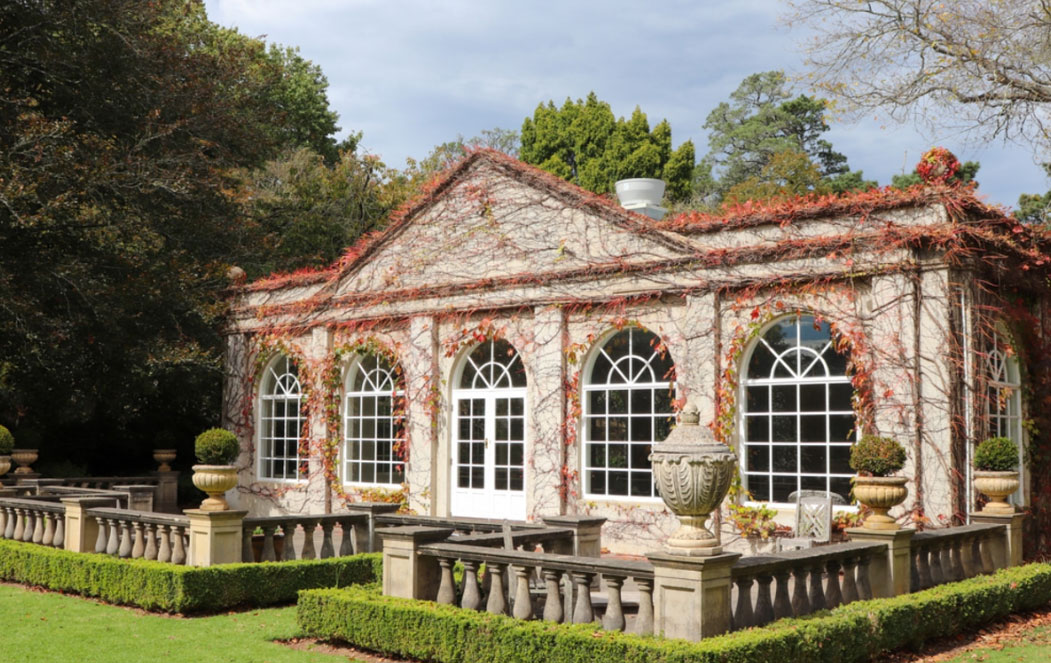
If you can’t get enough of Bridgerton, you’ll want to plan a trip to Bowral ASAP. The picture-perfect town could be from the Regency era and offers exceptionally Instagrammable cafés, cool-climate wineries and excellent boutique shops. Find your next read at Plantation along with brunch or enjoy high tea at Your Vintage Occasion — a cafe plus vintage emporium and antique market. Lookouts and walking trails at Mount Gibraltar Reserve, Corbett Gardens and a picnic at Cherry Tree Walk are also worth exploring.
4. Wollombi, Hunter Valley
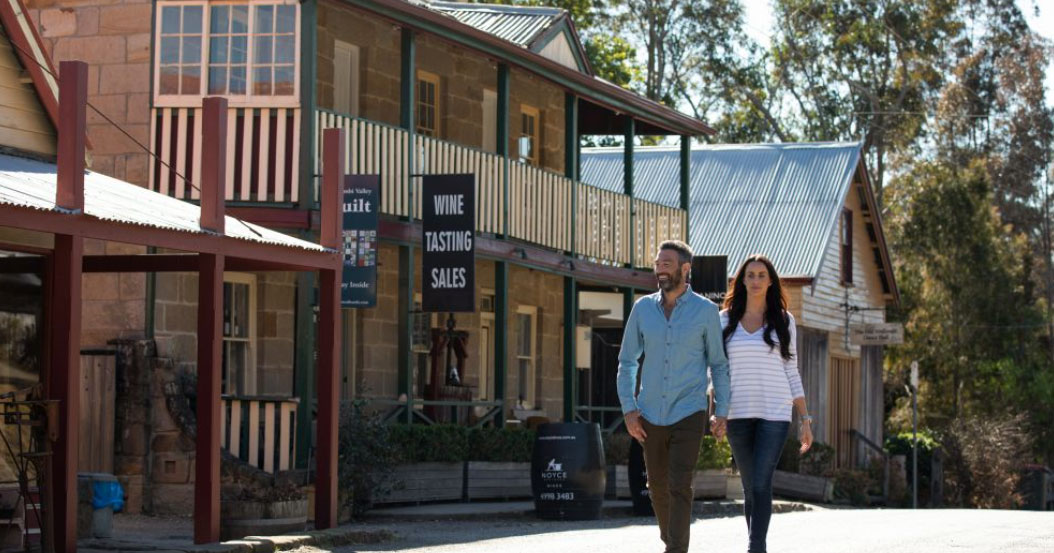
Located 29 kilometres southwest of Cessnock, Wollombi might be the Hunter Valley’s best-kept secret. The historic town is a maze of well-preserved streets, pretty cottages and fine country pubs. The town will also throw you back to the 19th century with its magnificent architecture. Head to St Michael’s Church, St John’s Church and the Wollombi Endeavour Museum for a little glimpse of the past. If you’re visiting Australia’s oldest wine region, make sure to stop by its many wine shops.
The Undercliff Winery comes highly recommended for some of the best wine tastings in the region. If you’re visiting around Easter, make sure to stick around for the Wollombi markets, popular for their cheese, jams, breads and of course, wine.
5. Leura, Blue Mountains
Leura is a small town just east of Katoomba and is often hailed as the ‘jewel in the crown’ of the Blue Mountains. The town offers a wide range of indoor and outdoor attractions to choose from. Head for brunch to the Instagram-famous Sorensen’s Glasshouse or get your fill of Mediterranean cuisine at Leura Garage.
Take a leisurely stroll down the expansive Everglades Gardens which beautifully blend the Australian bush with European-style landscapes or just walk around taking in the sights. Some lookouts and walks to add to your list: Leura Cascades, Gordon Falls, Leura Forest, Sublime Point and Jamison Lookout. There are heaps of warm and pleasant cafes lining the main street and a distinct Edwardian-style charm to the village.
6. St Albans, Hawkesbury
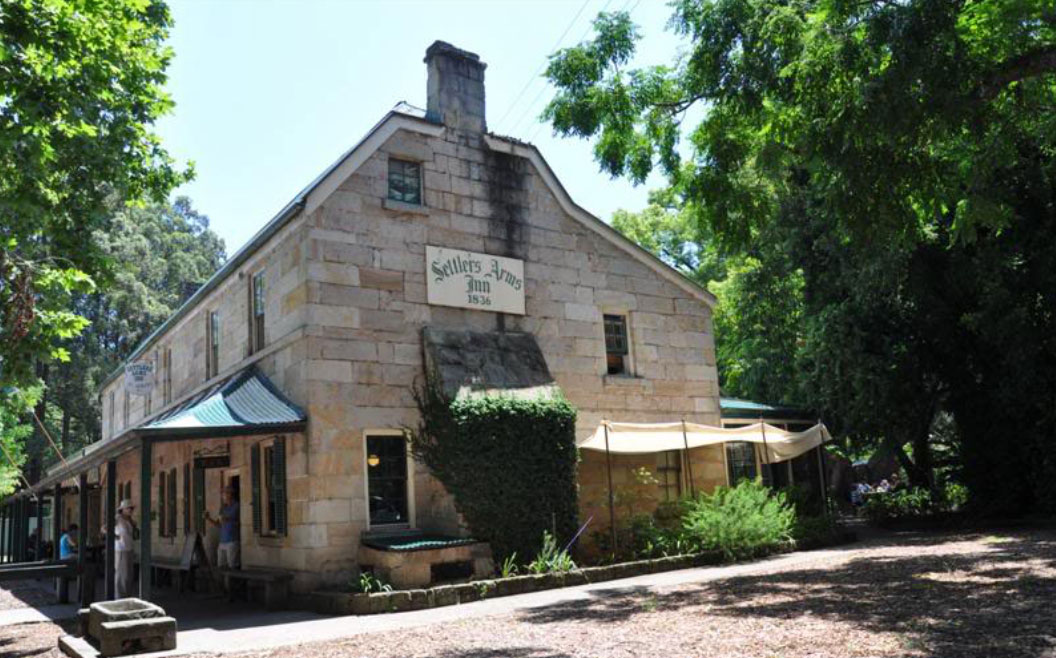
The drive to St Albans is as pretty as the town itself. Passing through the outer suburb of Dural, you’ll travel along the Old Northern Road to the village. Here you can have lunch at the delightful Settlers Arms Inn, nestled between mountains and valleys, it serves both amazing pub grub and genuinely great views. The Maltings Mall offers plenty of theatre, entertainment and dining options. Water enthusiasts will want to add Stanborough Lakes to their list for sailing, rowing, and other activities, a beautiful 126-acre countryside park with two lakes.
7. Blackheath, Blue Mountains
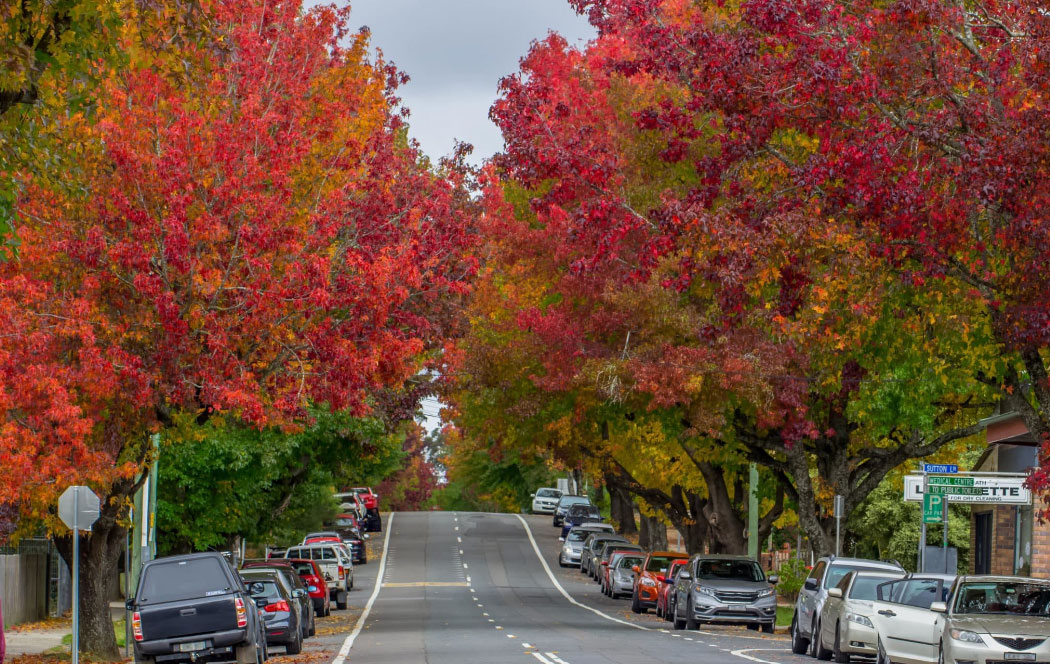
The quiet town of Blackheath is another gem in the Blue Mountains which is especially lovely during spring and autumn. And all the best things in the village are free. Anchored by stunning lookouts, from Govetts Leap to Anvil Rock, Blackheath is the place to be for those who love being out amongst nature. Lined along its beautiful streets are a number of cafes and galleries and the village also offers a great local shopping scene. The Grand Canyon Track is an excellent bushwalk to add to your list with rainforests, glow worms and waterfalls.
8. Mittagong, Southern Highlands

Mittagong is a relatively underrated destination compared to the likes of Berry and Bowral but it’s one of our favourite small-town escapes in NSW. The heritage town is packed with sandstone cottages, lovely walking trails, local art galleries and very good wineries. Check out the Box Vale Walking track that follows a historic railway line out the back of Mittagong, discover the many heritage buildings splattered around town, or explore local art at Sturt Gallery.
9. Terrigal, Central Coast
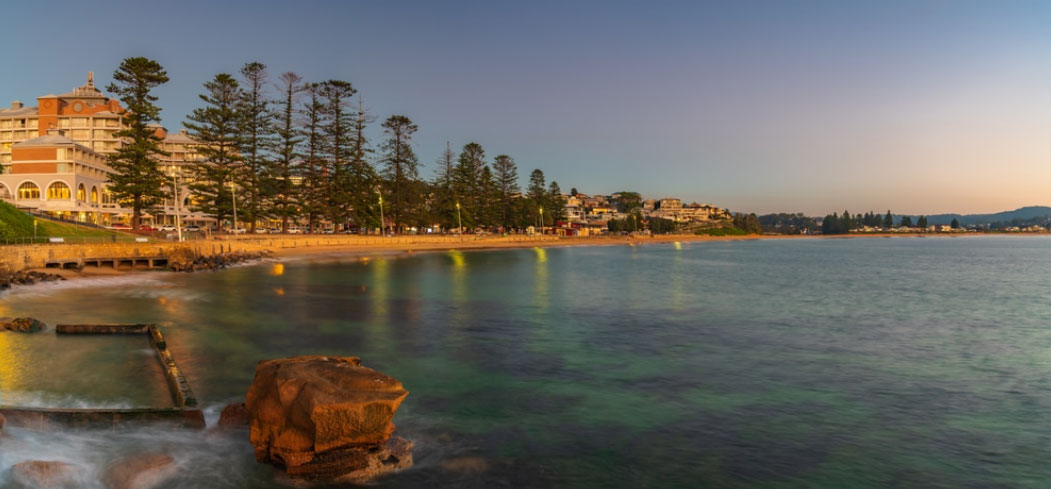
While there’s no shortage of stunning beaches in Sydney, if you’re looking to get away from the maddening crowds, Terrigal on the Central Coast is an easily accessible town to visit from Sydney. Expect sandy beaches, exciting nightlife and plenty of underwater adventures. Check out the picturesque Terrigal Beach, the Terrigal Haven, a small, sheltered cove across the main beach and its local markets by the beach. Also recommended is The Skillion, a local landmark with spectacular, gold-from-the-sun views of the town. The Avoca Beach Theatre built in 1951 and famous for its old-world charm is also a must-visit.
From finding affordable eats to forming new friendships, international students share how they’ve settled into life and study Down Under.


Getting set up in a new country is a major undertaking for anyone but when that transition also comes with a new course of study – often in a language other than your native tongue – the stakes can feel much higher. Mastering the logistics is one part of the puzzle but finding that “at home” feeling is another thing entirely… and it can take some time. From opening a bank account to finding your feet day to day, there’s a lot to think about when you’re new to life in Australia.
Adjusting to life and study in Sydney
“Arriving from Indonesia, I knew I’d be okay with the heat but it was the dryness I didn’t expect,” says Francess Lee, a 24-year-old student at Sydney’s UNSW, completing a Master’s degree in special education. “My skin got so dry, because it isn’t used to the lack of humidity.”
Another thing Francess found shocking was the cost of public transport in the Harbour City. “I’d mostly travelled in Asia before this, where public transport – even taxis – are cheap. At first, I took the light rail everywhere in Sydney but then I looked at how much money it was charging me on my card and I was shocked. Now I try to stick to the bus or I walk if I can.”

Putting yourself out there
When it comes to settling in, Francess has found a few new habits that pay dividends. “The biggest thing I’ve learnt is that it’s so important to put yourself out there, even if you feel silly,” she says.
“I was lucky – because I go to church, I had a ready-made community here in Sydney but I also joined an app called Meetup and noticed they were hosting beach volleyball sessions for people who wanted to come and make friends. I’ve met some really great people that way.”
Finding community where you live
Francess rents in popular student co-living project The Switch in Kensington and says she’s found like-minded friends living in her building. “At first, I didn’t know if it was worth it but I started going to the gym then joined the run club we have and now I feel like I have a lot of familiar faces around me.”
Whether you’re renting alone, sharing with others or living in a co-living space, understanding your costs upfront can make settling in much easier. There are a few things worth knowing when it comes to staying on top of your finances while renting.
Getting help with banking and setting up essentials in Australia
“When I arrived, I opened an account with CommBank and I didn’t realise how helpful they were until I started setting up utility suppliers,” says Francess. “Little things – like explaining that I had to enter my passport details in a certain way – made it a much nicer experience and far less confusing and time-consuming!”
If you’re new to the country, having support while setting up your banking as a student can help take some of the stress out of the process.
Making your food budget go further
“Groceries in Sydney are expensive but I like to cook,” she explains. “My university classes are pretty spread out but I don’t have a huge amount of time in between. I usually buy meat in bulk then I put it into smaller plastic bags to freeze. That way I always have something on hand when I need it.”
Groceries can add up quickly, especially when you’re busy studying. Many students find it helps to plan ahead and look for practical ways to save on everyday costs.
4 tips from a seasoned student
Originally from India but having spent most of his life in Dubai, Sahel Mohammed moved to Sydney four years ago to study at UTS. Between uni, saving and socialising, he’s found what works for him. Here are his top tips.

1. Earn while you study
“Every little bit helps and having a casual job allows you to keep money flowing in while also allowing you to widen your social circle outside your studies.”
2. Automate your savings to build good money habits early
“Figure out what the reality of your budget is. Automate essential expenses so they come out of your bank account at the beginning of each month and work out what you can save from there. Living in Australia might be more expensive than you expected!”
3. Enjoy life without overspending
“My friends and I like to buy food at food trucks or affordable takeaway options – there are a lot of great options in areas like Harris Park – then we will have a picnic or do low-cost activities like days at the beach.”
4. Transport costs more than you’d expect
“Public transport is expensive – but so is petrol. Treat it as a non-negotiable and allocate a set amount each month to your Opal card so you’re not restricting your options when getting out and exploring.”

With nine Australian universities ranked within the top 100 of the QS World University Rankings 2025, there’s little doubt that an education here is a good one.
Of these nine, international students in the country’s #1 university — the University of Melbourne — can pay up to 57,928 Australian dollars (US$24,285) for a bachelor’s degree, and up to AU$62,560 (US$40,506) for a bachelor’s degree with honours per year.
This is perhaps on the higher end of estimations, given that an average bachelor’s degree in Australia ranges from AU$20,000 (US$12,949) to AU$45,000 (US$29,136) per year.
Finding the cheapest universities in Australia is easier than fishing in high tide — trust us. Regardless, it can be quite the sum, especially when you factor in your average monthly cost of living of AU$1,400 to AU$2,500 (US$906 to US$1,618) to cover all their living expenses, including accommodation, food, and social activities.
One way to get around coughing up this amount of money? Exploring the cheapest universities in Australia for international students.
Disclaimer: Certain degrees, especially medical, dental, and veterinary ones, tend to cost significantly more due to the stringent teaching requirements. For example, the University of Melbourne’s Bachelor of Oral Health programme costs AU$75,696 per year. Our following list will cover the degrees outside of these programmes unless stated otherwise.
1. The University of Notre Dame, Australia
The University of Notre Dame, Australia, doesn’t get as much credit as it deserves. It stands as one of the best in the country, and if you don’t believe that, let the students tell you so — after all, they did rate the university five stars across the board for Learner Engagement, Skills Development, Full-Time Employment, and Graduate Salary on the Good Universities Guide 2025.
A bachelor’s degree here costs between AU$31,050 and AU$39,943 (US$20,104 and US$25,862) per year, which is what we’re starting with on this list of cheapest universities in Australia.
You can definitely make your studies here more affordable by applying for one of the university’s various scholarships. One of the standout ones is the Notre Dame International Welcome Scholarship (Undergraduate), which awards a 25% annual fee reduction for the duration of your programme.
2. Charles Darwin University
No matter if you choose to study at Charles Darwin University’s (CDU) Darwin, Casuarina, Palmerston, Alice Springs, or Sydney locations, your education will still be top-notch. Point proven: 81% of undergraduate students had full-time work four months after completing their programme, and at one of the cheapest universities in Australia, no less.
Don’t believe us? A bachelor’s degree here costs between AU$27,096 to AU$35,816 (US$11,359 to US$23,190) a year.
It’s easy to make your studies here more affordable too, given the range of scholarships available. One of them is the CDU Global Merit Scholarship, available to international students who meet the university’s academic criteria. Through it, you’ll receive a 30% tuition coverage.
3. University of Southern Queensland
University of Southern Queensland (UniSQ) is a medium-sized university located in Toowoomba, Queensland, but don’t look down on its size, because the Good Universities Guide 2025 rated UniSQ five out of five stars for undergraduates in full-time employment.
The annual tuition fees for this university cost around AU$26,960 to AU$37,080 (US$17,456 to US$24,008).
Besides, UniSQ offers a range of scholarships targeted at international students as well. Take the International Student Support Scholarship – 2025, for example. This scholarship is based on meeting the entry requirements for the programme of study and maintaining satisfactory academic performance for the duration of your study at UniSQ. Here, you’ll be awarded a maximum value of 15% of the tuition fees for your programme.
4. University of the Sunshine Coast
Located in Queensland, the University of the Sunshine Coast (UniSC) is ranked first in Australia for graduate employment with its undergraduates in the Engineering and Technology fields. Beyond this, expect to be supported in various ways, too — UniSC has supported its students in selling feature films to Netflix and giving startups the boost they need to succeed through an accelerator programme.
Annually, international students can expect to pay between AU$26,750 to AU$32,420 (US$17,320 to US$20,991) for a bachelor’s degree.
Better yet, UniSC has some really good scholarships available too, like the International Student Scholarship, which automatically grants those offered a position in the school a 15% tuition fee reduction to those commencing in 2025, and the English Excellence Scholarship, which grants those who achieved higher than required results in a recognised English language proficiency test a 20% tuition fee reduction.
5. Federation University Australia
Federation University Australia(FedUni) is Victoria’s premier regional university. On their site, they state that they’re #1 in Victoria for undergraduate starting salaries, and that 80% of their undergraduates were in full-time employment four to six months after graduating.
International students pursuing a bachelor’s degree here can expect to pay annual fees ranging from AU$26,600 to AU$39,500 (US$17,223 to US$25,575).
FedUni has a few scholarships for international students too, like the government-funded Federation Excellence Scholarship. Offered to eligible high-achieving international students applying for undergraduate degrees, this scholarship awards the equivalent of 20% of your annual tuition fees for the duration of your course. To maintain the scholarship, you must maintain a GPA of at least five while studying.
6. University of New England Australia
The University of New England Australia (UNE) is the only Australian public university awarded the maximum five stars for Overall Experience 19 years in a row by the Good Universities Guide (2007 – 2025). On top of that, the guide also awarded the university five stars for its Graduate Employment, rating it among the top 20% of universities in its list.
International students can expect to pay yearly fees for their undergraduate programmes that range from AU$26,544 to AU$34,800 (US$17,186 to US$22,532).
Even better, UNE has many forms of financial assistance, like accommodation scholarships and bursaries. In 2025, the university will provide eligible commencing international students a bursary in the form of a 20% fee reduction of the published 2025 annual international tuition fees for your first year of study.
7. Australian Catholic University
The Australian Catholic University may be young — it ranked within the top 100 young universities in the world by Times Higher Education in 2024 — but it sure isn’t losing out to the older institutions in the country. They rank in the top four in Australia for annual salary for their international undergraduate students and in the top three for our international postgraduate students in the 2023 Graduate Outcomes Survey.
The annual cost of tuition here is between AU$26,040 and AU$32,736 (US$16,860 and US$21,196).
If you’re applying here, be sure to check out the scholarships for international students. One of them is the ACU International Student Scholarship, which covers half of the full-time programme fees for incoming students.
8. Southern Cross University
In 2024, QS Rankings declared Southern Cross University (SCU) the Most Improved University in Oceania, having seen it rise more than 200 places in the previous five years. The university also boasted a 91% employment rate for its undergraduates in 2021-2022, according to the Graduate Outcomes Survey 2022.
The annual cost of an undergraduate programme at SCU ranges from AU$25,000 to AU$36,000 (US$16,187 to US$23,309), so it’s no surprise that it’s on our list of cheapest universities in Australia for international students.
You can make your education here even more affordable by applying for one of the university’s many scholarships. For example, the Destination Australia scholarship is designed to support students to undertake their university degree in regional Australia and awards you AU$7,500 to AU$45,000 (US$4,856 to AU$29,136) per year for up to three years.
9. Charles Sturt University
No matter which one of the five campuses you choose to study at Charles Sturt University, your future is pretty secure. According to the Good Universities Guide 2024/25, 89% of the university’s undergraduates find full-time employment within four months of graduating, giving Charles Sturt the crown for being the #1 public university in Australia for graduates who get jobs.
A bachelor’s degree here costs between AU$23,760 to AU$36,320 (US$15,384 to US$23,516) a year, which easily makes Charles Sturt #1 on this list of the cheapest universities in Australia. However, the Bachelor of Veterinary Biology / Bachelor of Veterinary Science costs AU$69,600 per year.
One of the most generous scholarships Charles Sturt has for incoming international students is the 2025 Launch Merit Scholarship. This scholarship recognises and rewards excellence for eligible students applying to study at the university, awarding a 30% tuition fee reduction throughout the entire duration of the course.
10. University of Divinity
Located in Melbourne, the University of Divinity is one of the best in the country for international students. They consistently ranked high for student satisfaction with ratings of over 91 per cent for the past few years.
The university offers a range of diplomas, undergraduate, master’s and doctoral degrees.
Despite ranking as one of the best institutions in the country, they have managed to keep their tuition fees affordable for international students. The total fees for international students vary depending on whether you choose a diploma, undergraduate, master’s or postdoctoral degree.
The total fees starts from as low as AU$10,512 (US$6,838.95) for a diploma and can go up to AU$60,912 (US$39,628.43) for a postgraduate degree. However, international students will need to pay an extra AU$300 for the application fees.
11. Edith Cowan University
Ranked sixth in Australia by the Australian Financial Review, Edith Cowan University (ECU) offers high-quality education and focuses on preparing job-ready graduates. In fact, it has maintained its five-star rating for undergraduate teaching quality for 18 consecutive years.
As an international student pursuing a diploma at ECU, you can expect to pay around AU$26,500 (US$17,246.60) for Year 1 of your course.
Many of their courses, such as Engineering & Technology, Law and Paralegal Studies, Education and Training, Computing & Information Systems, and Science & Mathematics, rank #1 in Australia.