
 EXCLUSIVE MEMBERS ONLY ACCESS
To access this month’s edition & Member’s only resources, enter your registered email address.





Newcastle, New South Wales
The Results of the August 2021 census were made public on 12th July 2022, and revealed that Australia has become a majority migrant nation, as the census data shows for the first time that more than 50 per cent of residents were born overseas or have an immigrant parent.
Australia’s 2026 Migration Program has been carefully designed to boost the social and economic outcomes that meet Australia’s needs. In fact, the migration programme was first launched in 1945 following the aftermath of World War 2. Given this long history, it is worth understanding how it works. The Australian Immigration Bulletin exists to help explain this in more detail.
As we’ve entered the 4th month of the year, join us for a look at the latest news and developments in the world of Australian Immigration!

Highlight:
The Australian Bureau of Statistics updated its Overseas Arrivals and Departures database, with the reference period January 2026. Analysis of the data shows:
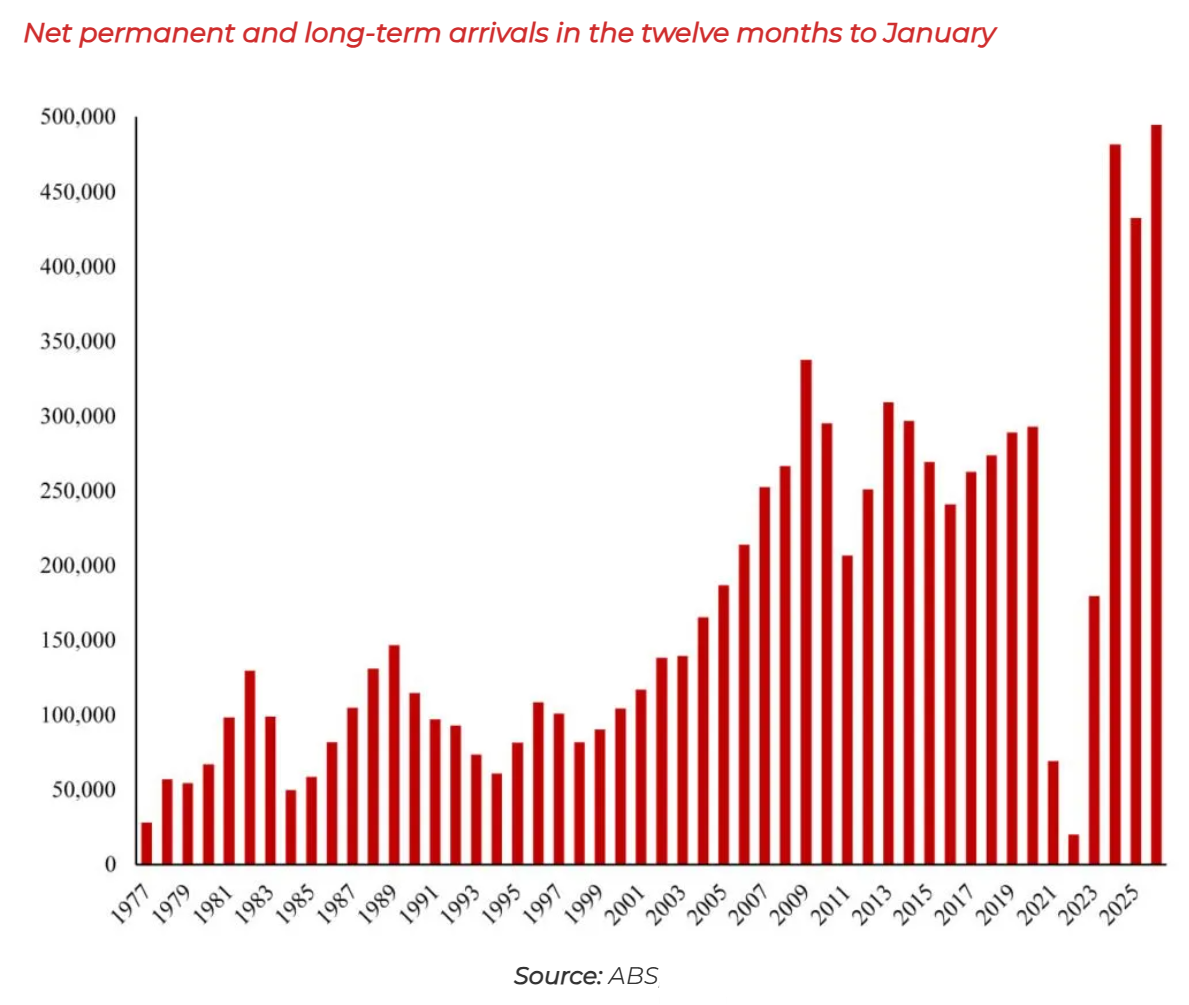
The number of people coming to settle in Australia reached record highs, as the size of Australia’s migrant population is growing larger than ever.
The analysis showed net permanent and long term arrivals hit 57,270 in January of this year alone, the highest number on record. In the 12-months to January, just shy of half a million people entered the country.
Net permanent and long term arrivals are migrants who have declared they are intending to stay in Australia for 12 months or longer.

The Migration Institute of Australia has just submitted to the inquiry that skilled migration is essential to Australia’s long-term economic performance, productivity growth and fiscal sustainability.
Skilled migrants supply a significant component of net workforce growth, underpin essential services, support innovation and regional development, and contribute positively to government revenue.
Treasury’s recent intergenerational reports have highlighted Australia’s ageing population problem, with our age dependency ratio (percentage of working population compared to the young and old) predicted to rise from 26.6 per cent about now to 38.2 per cent in 2062-63.
Australia faces a demographic cliff and, without any unexpected increase in our low birth rates, only skilled migration can help ameliorate this problem.
Without migration there won’t be enough workers to adequately provide the health, aged care and general services that our ageing population will need.
Successive studies have shown that skilled migration contributes significantly to GDP growth, productivity and labour force participation.
Migrants have accounted for more than 70 per cent of workforce growth since 2000 and are projected to continue contributing materially to economic growth over coming decades.
Skilled migrants are highly educated and more likely to be net fiscal contributors than the general population, supporting the sustainability of Australia’s health, aged care and welfare systems.
Skilled migration is critical to workforce capacity in sectors with persistent shortages, such as health, aged care, construction, engineering, education, agriculture and technology.
In regional Australia, skilled migrants play a vital role in sustaining local services, supporting business viability and stabilising population decline.
Skilled migration has always been a critical component of Australia’s economic success and has helped sustain decades of continued economic growth for Australia.

A growing number of Americans are looking to move to Australia as a way to escape the “hustle culture” that is leaving them stressed and exhausted.
Recruitment companies say they have noticed a significant surge over the last year in the number of enquiries coming from Americans wanting to pack up and move Down Under.
The uptick began as a tremor before the 2024 US election and has solidified into a steady stream.
It’s the attractive lifestyle on offer in Australia which usually sustains it, with key factors being concerns over healthcare costs in the US, gun safety at schools and work-life balance.
The hustle v the right to disconnect
Most employees in the US are given about two weeks of annual leave, compared to four in Australia. But, even then, the concept of “annual leave” is often treated as theoretical in the US. In the US, there’s a stigma. If you take two weeks off, people grumble about covering for you. In Australia, nobody cares. You cover for them, they cover for you. It’s normal.
A recruitment company which recruits for giants like Google, Atlassian, and Canva, reports a staggering 350 per cent rise in US applicants over the past year.
The demand hasn’t just held steady; it’s the new baseline.
They see a measurable spike in applications almost every month.
Employee burnout was another factor that could be seen as creating “hustle culture refugees” in the US.
Australia’s right to disconnect laws often came as a welcome relief to the “always on” expectation in the US.
Katie, who asked for her real name to be withheld for privacy reasons, is a high school teacher who moved to Sydney with her husband from Iowa in 2021.
Katie’s father is Australian, however, she was raised solely in the US. As Katie is a dual citizen, her husband was able to apply for a partner visa to live in Australia.
The couple have had two children, aged three and one, since moving to Australia. While the move was originally planned as a two-year trip, the family have settled in for the long term.
Katie said life in Australia genuinely felt different, “and not just in a honeymoon phase way”.
“I didn’t realise how stressed out we always were in the US,” Katie said.
“In the US, it felt like a daily grind … work, dinner, bed, repeat. Here, work matters, but it doesn’t own every hour of the day. My free time is protected.”
Like many Americans, Katie was “on the hustle” in Iowa, working a second job tutoring during the school term and teaching at a summer school over the extended mid-year break.
“I never really had a break, I was always working,” she said.
“I know Aussies sometimes say we have such a bad work-life balance here. I don’t see it that way at all. I think Aussies have an amazing work-life balance.”
Even the high cost of living in Sydney was not a huge deterrent, with groceries costing about the same as in Iowa, Katie said.
‘Not a medical emergency away from financial ruin’
In the US, buying into her employer’s offered healthcare plan for families would gobble up almost her entire monthly paycheque, she said.
“In Australia, we know that we’re not a medical emergency away from financial ruin, and that’s a huge piece of mind that feels really invaluable,” she said.
Katie experienced this firsthand when her eldest son was hospitalised for two weeks as a newborn at Westmead Children’s Hospital.
“Living in Australia and experiencing the healthcare here, it’s phenomenal,” she said.
As a school teacher, not having to worry about school shootings was also a big weight off her mind, although it was one she didn’t fully realise until she arrived.
“I remember my first school job here; I saw a long wall of windows and thought, ‘That’s not safe, where would the kids hide?'” she said.
“I didn’t realise I had that internalised stress about school shootings. Now, my biggest daily concern when I go to school is whether or not I’m going to get swooped by a bird.”
Despite the local grumbling over the price of a coffee, Katie and many other US expats say – from their perspective at least – Australians do have it pretty good.
In a recent post on a Facebook group for US people looking to move to Australia, a worn-out American asked if the Australian work-life balance was “a magic fix” or just myth.
After hundreds of US expats had shared their opinion, one Facebook user noted: “Reading some of the comments reaffirms that more Australians need to travel to realise how good we have it here.”
 A landmark report on Indian migrants in Australia has found the demographic is fast-growing and driven largely by new migrants who are young, educated and engaged.
Researchers from The University of Queensland were commissioned by the Federal Government’s Department of Foreign Affairs and Trade to provide a snapshot of the latest chapter in the long history of Indian communities in Australia.
Associate Professor Elin Charles-Edwards, Director of UQ’s Queensland Centre for Population Research, said her team’s comprehensive statistical analysis revealed massive growth – as well as continued opportunity for both nations.
Key findings
Dr Charles-Edwards said the analysis showed the Indian migrant community can create a home in Australia quite easily.
“Carefully cultivating this, so it’s allowed to grow and develop, will benefit both countries.
“With this diaspora, ties to India aren’t severed and it’s maintaining those connections that will bring our countries closer.”
UQ Pro-Vice-Chancellor (Global Partnerships) Brett Lovegrove said the report will help shape future engagement between Australia and India.
“This report marks a significant milestone in our understanding of one of Australia’s most dynamic and influential communities,” Mr Lovegrove said.
“At UQ, we believe meaningful global partnerships begin with understanding – and this report is a testament to that principle.”
Hailing from all around the world, these four migrants share why they’re grateful to be Australian, despite social cohesion challenges

How Australians choose to spend their day on 26 January can vary greatly. It’s a date that sparks mixed feelings and carries different meanings for different communities.
For some, it’s a day of celebration; for others, it’s a historical day of mourning.
With almost a third of the population born overseas — an estimated 8.6 million, according to the Australian Bureau of Statistics — Australia is one of the most multiculturally diverse countries in the world.
For many migrant Australians, 26 January remains an important milestone: the day they became Australian. This year, 20,600 people from over 150 countries will make their citizenship pledge as part of Australia Day events around the country, joining the more than six million people who’ve become citizens since the first ceremonies were held in 1949.
To mark the date, we have spoken with four migrant Australians from India, South Sudan, China and Italy about what the day — and being Australian — means to them.
From tasting Vegemite to quiet reflection
Karan Raina came to Australia from India back in 2013 as a master’s student, chasing a fresh start and a chance to build his career in a place “known for its lifestyle and opportunity”.
Raina described his first experience of Australia Day in 2014 as a “welcome to the club moment”.
“Coming from overseas, the concept of a BBQ and a day at the beach was the quintessential Aussie experience I heard the most,” he says.

“I joined in by heading to the local park with some fellow students, trying Vegemite for the first time, and just soaking up the sun and the relaxed atmosphere.”
After 10 years in Australia, Raina says his January 26 plans are quieter and more reflective.
“I usually use the public holiday to relax, catch up with close friends and reflect on how far I’ve come since I first arrived with just a couple of suitcases in 2013.”
This year, he is also reflecting on his “dual identity” as a migrant.
“Even when things feel tense in the news or the media, I focus on the reality of my day-to-day life … For me, being Australian is about the contribution I make every day.”
‘This country is built by immigrants’
Chef Luca Quadri came to Australia from Italy in 2015. Eight years later, he became a citizen.
“I was already a chef, so for me, it was a little bit easier because I could get a skill visa through my skills as a chef,” he said.
A decade after arriving, Quadri says he feels he is part of Australia now.
“I feel like I have two homes, one in Australia and one in Italy.”

The first time he heard about 26 January was from a coworker, who told him: “It’s Australia Day tomorrow, we’re going to celebrate.”
“As an immigrant here, I don’t have [strong feelings about the date]. I just think that if it’s just a day when we celebrate Australia and as a country and we all get together … it should be celebrated.”
Listening to First Nations voices
Born in South Sudan, Andrew Gai is a family violence prevention practitioner and community advocate. He arrived in Australia in 2006 under the humanitarian visa program, and became a citizen in 2009.

Australia Day is a day that requires sensitivity and the acknowledgment of historical injustices, he said.
“Australia Day cannot be approached as business as usual,” he says.
Gai is proud of his South Sudanese heritage, while at the same time, expresses gratitude for being Australian.
“With exception of the First Nations peoples, we all came on different journeys, and all have very unique stories, but we all call Australia home now.”
Moving forward, not backward
Originally from China, Felix Dong moved to Australia as a student in 2011 to complete his university studies. He was granted permanent residency and later became a citizen in 2023.
“We are not allowed dual citizenship [in China], so choosing Australian citizenship means giving up many legal and practical ties to our country of origin … It also means returning to China in the future involves visas and additional barriers,” he said.
“I feel proud of becoming an Australian … and I believe Australia’s success as a multicultural country comes from strong legislation and genuine implementation.”
Over the years, Dong has spent Australia Day like many other public holidays — occasionally attending community activities or taking a break.
“Like many international students, my early understanding was quite limited. Occasionally, I attended community events, but it did not initially carry a deep personal meaning for me.”
“The most meaningful Australia Day experience for me was the year I became a citizen. That was the first time the day felt truly significant on a personal level,” Dong says.
Dong says he was touched to learn the meaning behind certain Australian iconography — such as the kangaroo and emu, which can’t easily move backwards — symbolising a nation moving forward.
“This kind of shared belief is what brings people together across race, age and background.”

Australia’s backpacker numbers have hit an all-time high as global interest in DownUnder reaches a fever pitch — with Britons leading the charge.
Home Affairs officials have revealed there are 234,000 backpackers in Australia
Speaking at the first public hearing of a new parliamentary inquiry in Canberra on Friday, the department’s Michael Willard said the Working Holiday Visa uptake had increased from every corner of the globe.
“We’re seeing very strong growth in the Working Holiday maker visa,” the deputy secretary of immigration said.
“At the moment, we have around 230,000 Working Holiday maker visa holders in Australia. “Pretty much all of our partner countries are growing, but the strongest growth is coming from the UK.
“What we’re seeing, in effect, is still an impact of the Covid period.
“We’ve seen is, if you like, a few years of pent up demand being released at the same time because of people not being able to have that opportunity during Covid.”
The parliamentarian inquiry was launched to help improve skilled migration in Australia and came in response of a 2023 review into our migration system by prominent public servant Martin Parkinson which diagnosed issues in the policy area.
One such issue is the skills gap in critical sectors — like health, aged care, regional industries, construction — despite high net overseas migration.
The inquiry has received more than 140 submissions from a broad spectrum of industries, the majority of which say skilled migration was critical.
A submission by the Australia pork industries peak body found the sector was grappling with a 60 per cent shortfall in staff and labelled skilled migration as “critical” for the supply chain.
“To ensure a sustainable future, the industry must be supported by effective employment programs, a responsive migration system, and regional development policies and investment that ensure regional areas are attractive places to live and work,” Australian Pork’s chief executive Margo Andre said.
Master Electricians Australia, the peak industry association representing electrical contractors, called for the government to improve skilled migration settings to help shortages, particularly in acute areas like in the regions.
“The electrical industry is facing an ongoing and critical skills shortage,” Master Electricians Australia’s Georgia Holmes said.
“While there are multiple and urgent barriers contributing to this shortfall, recognising and streamlining skilled migration pathways represents a key and immediately available solution.”
Committee Chair, Steve Georganas said the inquiry would examine the skilled migration program’s effectiveness in addressing skills gaps and supporting the ongoing needs of Australian businesses.
“Skilled migration plays an important role in Australia’s economic success by meeting labour shortages and filling skills gaps, as well as supporting local communities and enhancing cultural diversity,” he said.
“This inquiry is a valuable opportunity ensure the skilled migration program is operating effectively and that we have the settings right.”
If you are interested in applying for a general skilled migration visa to Australia, it is important to have a good understanding of the skilled visa options and how the migration points test works, so that you can maximise your chances of being eligible to apply for a skilled visa.
A general skilled migration visa is an option available to skilled workers who are seeking to qualify for a skilled visa independently, or under a state or family sponsorship. It is an alternative to an employer sponsored visa.
One of the key criteria to qualify for a general skilled migration visa is the points test (a criterion that does not apply to employer sponsored visas). This is often the most challenging aspect for prospective skilled visa applicants to overcome when seeking an invitation to apply for the relevant skilled visa.
If you are considering applying for a general skilled migration program visa, an important concept to understand is the Expression Of Interest (EOI).
If you are considering applying for a general skilled migration visa, it is important to be aware that for certain visas in this visa class, you will first be required to lodge an EOI with the Department of Home Affairs (the Department) through SkillSelect. The EOI is not a visa application, but rather, it is the process by which you can express your interest in applying for the relevant skilled visa (It’s important to note, that there is NO fee to submit an EOI).
This requirement applies to the following skilled visa subclasses:
Let’s take a brief look at each of these visas below:
The ‘subclass 189’ is a federal sponsored visa that grants automatic permanent residence in Australia. It is subject to nil visa conditions or obligations. For this reason, it is often considered to be the most flexible of the skilled visa options available.
A subclass 189 points-based visa allows you to live and work in any state or territory permanently.
The ‘subclass 190’ is a state/ territory sponsored permanent residence visa. It is another points-based visa for which invitations are issued throughout each month by individual states and territories. One of the benefits of applying for state nomination is that you will be granted an additional 5 points.
An important aspect to consider, which does not apply to the subclass 189 visa is that there is an added step in the application process. In this case, you must also apply for nomination approval to a state or territory government. Only upon receipt of an invitation from the relevant state or territory to which you apply can you then apply to the Department for the visa itself.
Your obligations as a subclass 190 visa holder are that you must commit to your nominating jurisdiction’s obligations and commit to residing in your nominating State or Territory for two years from visa grant.
The ‘subclass 491’ is also a points-based state/ territory (or family) sponsored visa. It is a regional visa with a term of five years. The Department issues invitations for family sponsored EOI applications only (in invitation rounds). Invitations for state sponsorship are issued by individual states and territories throughout each month. This will grant you an additional 15 points for the nomination.
Being a provisional visa, this means it provides a pathway to permanent residence in Australia with the Subclass 191 Permanent Residence (Skilled Regional) visa, subject to meeting specified requirements.
Be mindful that as a subclass 491 visa holder, you must abide by visa condition 8579, which requires you to live, work and study in a designated regional area of Australia. For migration purposes, most locations of Australia outside of major cities (Sydney, Melbourne, Brisbane, Perth, etc.) are classed as regional areas.
If your EOI is successful, you will receive an invitation to apply for the visa, as specified in the invitation letter. This then enables you to proceed with lodgement of your visa application (provided you meet all other visa lodgement and visa grant requirements).
Please note, the below State and Territory program updates is a general overview only. It does not take into account any of your personal circumstances. You must check the State/Territory information carefully to ensure you can meet all the requirements for nomination.
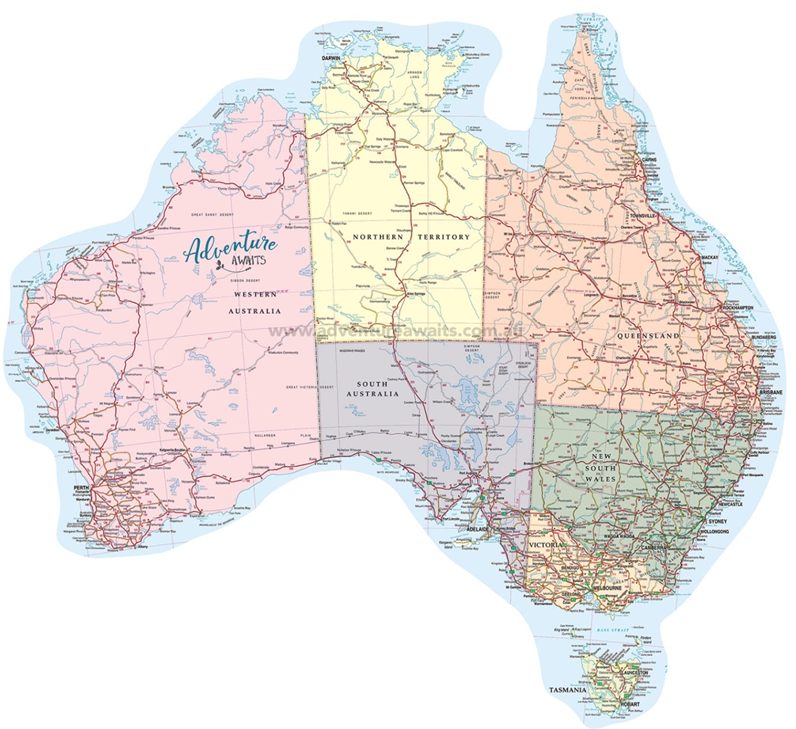
Australia is currently facing a shortage of skilled migrants to fill workforce demands. In response, states and territories have been easing the conditions of their visa programs to help attract skilled workers from overseas.
Below is the monthly update for some of the State and Territory opportunities available.
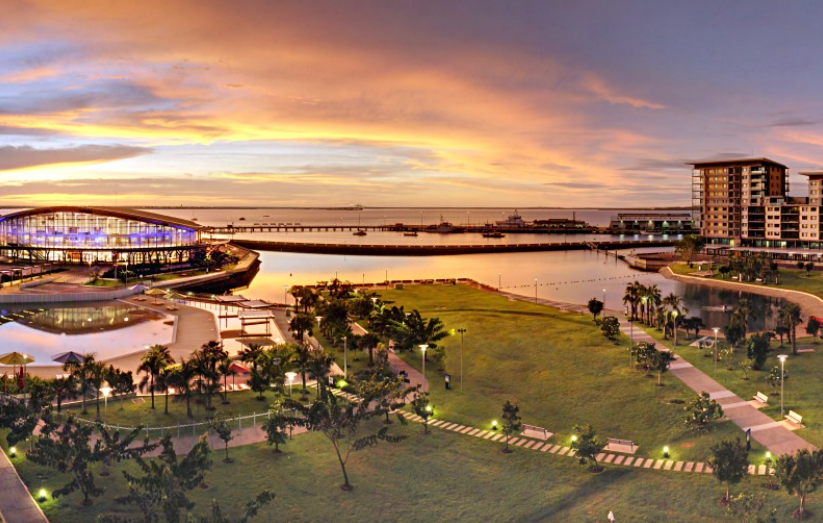
Program Status Update
Update on NT General Skilled Migration (GSM) nomination applications for 2025-26
The NT Government has now received sufficient applications to fill the nomination allocation for the 2025-26 program year.
The NT nomination portal is now closed to new applications. Applications lodged prior to the closure will continue to be assessed with outcomes to be provided by 30 June 2026.
New nomination applications will only be accepted by exception for applicants who meet the NT Graduate or NT Resident eligibility criteria and have one of the following visa deadlines falling before 31 December 2026:
Please note that the Northern Territory government cannot guarantee nominations before visa deadlines. Those who are onshore and have visas expiring should seek professional advice from a registered migration agent or legal practitioner on their visa options and ensure that they remain lawful in Australia.
People residing offshore are eligible to be considered for Northern Territory (NT) nomination. Invitations to apply for Northern Territory nomination will be via the ranking system.
The ‘Northern Territory Offshore Migration Occupation List’ identifies the occupations in current demand in the Northern Territory. This List is important if you want to apply for Northern Territory nomination for either a:
The ‘Northern Territory Offshore Migration Occupation List’ is only applicable for those applying for NT nomination from outside Australia, under the Priority Occupation stream.
Please note: The Northern Territory government has advised that offshore applicants will generally only be offered a Northern Territory nomination for a subclass 491 visa. Subclass 190 nominations will only be offered in exceptional circumstances, such as cases where the applicant has strong connections to the NT.
The NT advises eligible applicants to apply as soon as they meet the eligibility criteria. To receive a nomination from the NT Government, you must:
Before submitting an EOI for The Northern Territory, applicants should check that they meet all eligibility requirements.
For information on how to submit an application, view how to apply.
For a further explanation, see the Frequently Asked Questions page on the Northern Territory Government website.
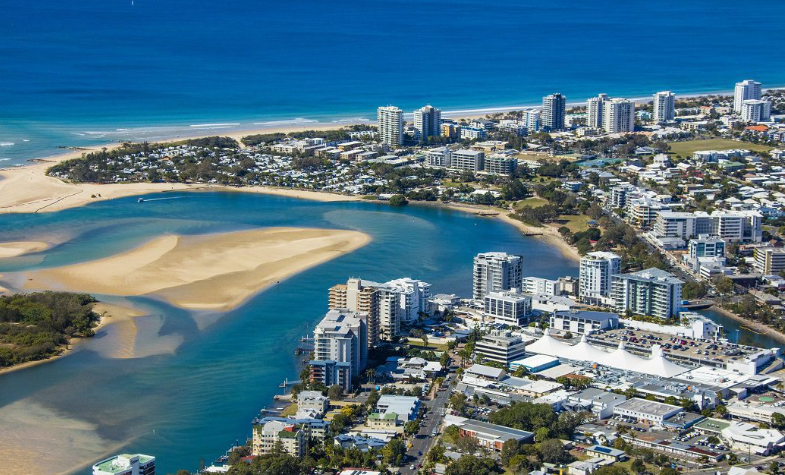
Program Status Update
Program Status Update: Important Announcement
On 2 September 2025, the Australian Government announced the total number of places in its 2025-26 Migration Program. But it is still finalising state and territory allocations.
Queensland will not open the 2025-26 State Nominated Migration Program until our final program allocation is confirmed.
You can however submit your Registration of Interest (ROI) for Queensland nomination from 19 September 2025, in preparation for the program opening.
In the meantime, take a look here at which skilled visas and pathways might best suit you, including instructions for how to apply for Queensland nomination.
Once the above mentioned temporary suspension is lifted, you may be able to proceed with Queensland’s usual skilled migration program. Program details below:
Depending on your occupation and situation, there are two state nomination options available for skilled migrants through Queensland.
For Queensland state nomination, prospective applicants must meet the Department of Home Affairs requirements, state-specific occupation requirements and have skills in an occupation that is available on the Queensland Skilled Occupation List.
You may undertake employment once onshore in Queensland through:
Offshore applicants meeting the minimum published requirements are eligible to lodge an Expression of Interest (EOI) on Skill Select and then a Registration of Interest (ROI) on the Migration Queensland portal.
Migration Queensland criteria requires you to:
The 2025-26 Skilled Migration Program is open to both onshore and offshore applicants and provides pathways for skilled workers, graduates, and small business owners.
Before submitting a Registration of Interest (ROI) for Queensland, applicants should check that they meet all eligibility requirements.
Note: In the EOI, select ‘Queensland’ as the only state of interest in the EOI, if you wish to be considered for an invitation to apply for Queensland nomination.
For information on how to submit an application, view how to apply.
For a further explanation, see the Frequently Asked Questions page on the Queensland Government website.
 Program Status Update
Victoria’s 2025-26 skilled visa nomination program (subclass 190 and subclass 491) is now open.
Open to offshore applicants, the program provides skilled migrants with a pathway to permanent residency in Victoria. The skills that successful applicants bring to Victoria benefits employers and the broader Victorian economy.
The program provides two visa pathways:
As with previous years, applicants will first need to submit a Registration of Interest (ROI) and then be selected on competitive merit to apply for visa nomination.
*Please note: Invitation rounds occur frequently throughout the financial year with no set date.
To be invited to apply for Victorian skilled visa nomination, you must firstly make or update an Expression of Interest (EOI) via the Australian Government’s SkillSelect and then submit a Registration of Interest (ROI).
Both onshore and offshore applicants are eligible to submit a Registration of Interest (ROI) for both the subclass 190 and subclass 491 visas.
If you previously submitted an ROI in the 2024-25 and wish to be considered for invitation in the 2025-26 program, your ROI is still valid. You do not need to withdraw your ROI unless the information in the ROI has changed.
Your ROI will remain in our system for selection until it is withdrawn or selected.
You can check if your ROI is active via the Live in Melbourne portal. Login to your account > Applications > Click into the relevant NFR number > If active, the status will show ‘Submitted’ or ‘Received’.
Before submitting an ROI for Victoria, applicants should check that they meet all eligibility requirements.
For a further explanation, see the Frequently Asked Questions page on the Victoria Government website.
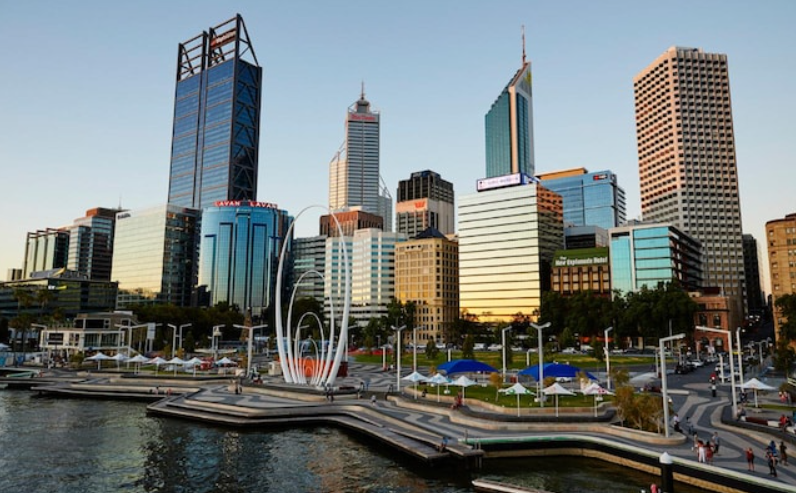
Program Status Update
Western Australia’s 2025-26 skilled visa nomination program (subclass 190 and subclass 491) is now open.
People residing offshore are eligible to be considered for Western Australia (WA) State nomination. Invitations to apply for WA State nomination will be via the ranking system.
The Western Australian Skilled Migration Occupation List identifies the occupations in current demand in Western Australia. This List is important if you want to apply for Western Australia nomination for either a:
Please note that to be eligible for an invitation in the WA State Nominated Migration Program, you must meet both:
Before starting your application, you will need to check whether your occupation is available on either the WA Skilled migration occupation list (WASMOL) Schedule 1 or 2, or the Graduate occupation list. You can search for your occupation here. (The occupation list search bar is located under the heading ‘Eligible Occupations’.)
Features of the 2025—26 program:
Before submitting an EOI for Western Australia, applicants should check that they meet all eligibility requirements.
For a further explanation, see the Frequently Asked Questions page on the Western Australia Government website.

Program Status Update
Australian Capital Territory’s (ACT) 2025-26 skilled visa nomination program (subclass 190 and subclass 491) is now open.
2025-26 Nomination Allocation: The ACT has received a final nomination allocation of 1,600 places for the 2025-26 program year.
The ACT Critical Skills List identifies the occupations in current demand in the ACT. This List is important if you want to apply for ACT nomination for either a:
The ACT Government will update this list every four months to make sure that the ACT Skilled Migration Program adapts and responds to the evolving critical skills needs of the ACT economy.
The Canberra Matrix is weighted to ensure that applicants who will make a positive economic contribution to the Territory and/or have demonstrated a genuine commitment to the ACT are more likely to be ranked and invited to apply for ACT nomination.
*ACT nomination does not guarantee a migration outcome. You must still meet the Department of Home Affairs criteria.
Every month, a certain number of nomination invitations are available (prorated on the annual allocation) to those working in the highest ranked Matrix in each occupation.
You can view the ACT’s most in-demand skills for skilled migration by consulting the ACT Nominated Migration Program Occupation List.
Before submitting an EOI for The Australian Capital Territory, applicants should check that they meet all eligibility requirements.
Once you’ve submitted a valid Department of Home Affairs Skill Select EOI, follow the ACT Government Process to apply for ACT nomination.
For a further explanation, see the Resources page on the ACT Government website.
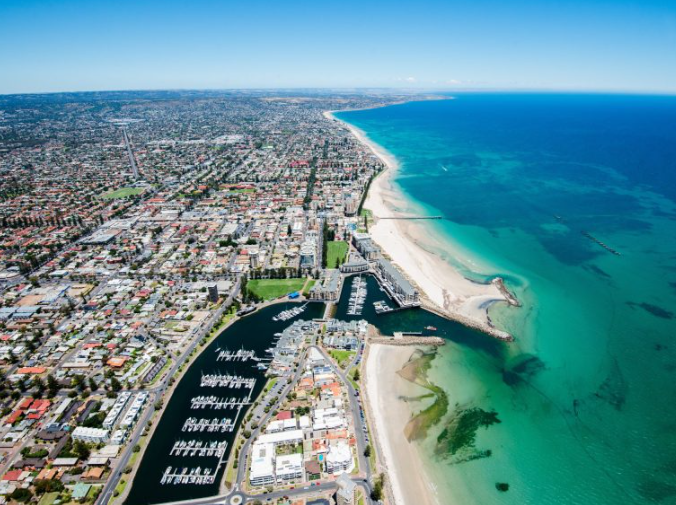
Program Status Update
South Australia’s 2025-26 skilled visa nomination program (subclass 190 and subclass 491) is now open.
Depending on your occupation and situation, there are two state nomination options available for skilled migrants through South Australia.
For South Australian state nomination, prospective applicants must meet the Department of Home Affairs requirements, state-specific occupation requirements and have skills in an occupation that is available on the South Australian Skilled Occupation List. Offshore applicants meeting the minimum published requirements can now lodge an Expression of Interest (EOI).
There is an enormous range of occupations on South Australia’s Skilled Migration Occupation List in a range of industries – search for your occupation here.
South Australia will select offshore applicants to apply for state nomination from those who have submitted an Expression of Interest (EOI) through SkillSelect. Offshore applicants will not need to lodge a Registration of Interest (ROI) for this year’s program. South Australia will be nominating offshore applicants from over 250 occupations on South Australia’s Skilled Migration Occupation List.
If you are currently residing offshore and seeking to move to South Australia, the first step is to create an Expression of Interest (EOI) in SkillSelect ensuring you select South Australia as your first preferred State or Territory.
The South Australian Government can then review your EOI for consideration under the Skilled Nominated (Permanent) visa (subclass 190) or Skilled Work Regional (Provisional) visa (Subclass 491).
For most occupations, applicants must have a minimum of three years of skilled employment in their nominated or related occupation within the last 5 years to secure an invitation to apply for SA nomination.
To be considered for South Australian nomination, you must:
For occupations in the construction trades (as listed here) applicants must have a minimum of one year of skilled employment in their nominated or related occupation within the last 3 years.
Applicants in the construction trades will be assessed on merit by the following factors:
*Work experience must be in a role deemed full-time, defined as 20 hours per week according to SkillSelect.
Before submitting an EOI for South Australia, applicants should check that they meet all eligibility requirements.
For a further explanation, see the Frequently Asked Questions page on the South Australia Government website.

Program Status Update
Tasmania’s 2025-26 skilled visa nomination program (subclass 190 and subclass 491) is now open.
Subclass 190
Subclass 491
Migration Tasmania has now commenced weekly invitations to apply for nomination.
Information will be posted on the Migration Tasmania website every week detailing:
Program Changes and New Features
Following analysis of program outcomes and stakeholder feedback, updates have been made to improve the application process, clarify requirements and priorities, and manage program risks.
Key changes include:
Detailed information about the changes can be found HERE
Candidates who have submitted an ROI in the last six months may wish to withdraw it and submit a new one, as the changes to priority attribute ranking criteria may significantly improve chances of selection.
Processing times and remaining nomination quota are updated every week on the Migration Tasmania website HERE
Working in Tasmania
The two state nomination options available for skilled migrants through Tasmania are:
The Tasmanian State Nomination Skilled Migration Program supports Tasmanian businesses and increases the state’s working age population. It does this by attracting and retaining migrants with skills genuinely in need by employers, or with the capacity to settle in Tasmania through skilled employment in the long-term, and business activities that will increase employment opportunities.
Tasmania’s skilled migration program is for people wanting to move to the state who have skills that Tasmania need. Skilled migrants are attracted to Tasmania because of the state’s enviable lifestyle, career opportunities, affordable housing, reputable schools and a globally recognised university.
The Migration Tasmania Application Gateway is now available for registrations of interest (ROI) and applications for skilled visa nomination from Tasmania.
Anyone seeking Tasmanian nomination for a Subclass 190 Skilled Nominated Visa or Subclass 491 Skilled Work Regional Visa must first register in the Migration Tasmania Application Gateway .
Before submitting an ROI for Tasmania, applicants should check that they meet all eligibility requirements for either;
For a further explanation, see the Frequently Asked Questions page on the Tasmania Government website.
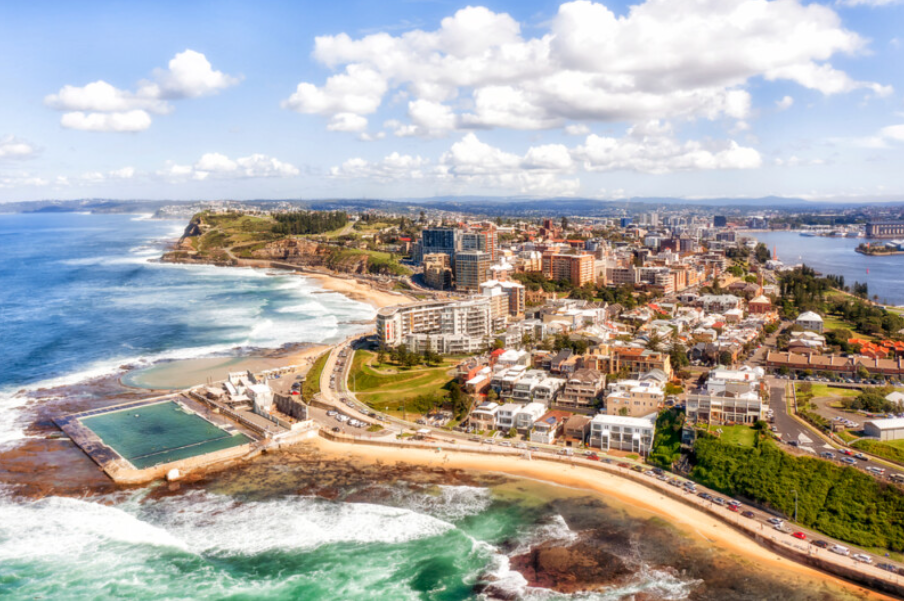
Program Status Update
NSW 2025-26 skilled visa nomination program (subclass 190) is now open.
Important Notice: Closure of the Skilled Work Regional Visa (Subclass 491) Pathway 1 and Pathway 3 to new applications
Subclass 491 Pathway 1 and Pathway 3 are now closed to new applications for the program year which ends 30 June 2026.
Due to an overwhelming response, NSW has reached their allocation for the Skilled Work Regional visa (subclass 491) under Pathway 1 and Pathway 3.
Therefore, NSW has closed the application portals, and you will no longer be able to lodge an application under Pathway 1 and Pathway 3.
Applications that have already been submitted will be finalised, and there is no need to take further action.
For a further explanation, view the following page on the NSW Government website.
The New South Wales government has invited applications from offshore migrants under the following nomination streams:
The NSW State Government announced that offshore applicants skilled in certain ANZSCO unit groups are eligible for NSW nomination.
*Please note: Invitation rounds occur frequently throughout the financial year with no set date.
NSW invites and nominates SkillSelect EOIs at the ANZSCO unit group level. To be eligible for NSW nomination (for either Subclass 190 or Subclass 491), your occupation must fall within an ANZSCO unit group identified on the NSW Skills List which reflects skills in high demand across the state, and be eligible for the visa.
Before submitting an EOI for New South Wales, applicants should check that they meet all eligibility requirements for either;
For a further explanation of how the skills list works, see the Common questions about skilled visas page on the NSW Government website.

Australia’s economy expanded at its fastest pace in nearly three years in the December quarter, with stronger-than-expected growth driven by government spending, private investment and a lift in consumer activity tied to major retail events.
New data from the Australian Bureau of Statistics (ABS) shows gross domestic product (GDP) rose 0.8% in the December quarter, accelerating from 0.4% in the previous quarter. Annual growth climbed to 2.6% from 2.1%, beating economists’ expectations of around 2.3%.
The latest figures mark the 17th consecutive quarter of economic expansion, with growth broadly supported across the economy.
Australian Bureau of Statistics (ABS) head of national accounts Grace Kim said activity strengthened across most sectors during the quarter.
“There was broad-based economic growth in the quarter, with rises observed in a large majority of industries,” Kim said.
“Public and private demand each contributed 0.3 percentage points to GDP growth.”
GDP per capita also continued to recover, rising 0.4% quarter-on-quarter and 0.9% over the year, marking the strongest annual increase since the December quarter of 2022.
Treasurer Jim Chalmers welcomed the figures, saying the data demonstrated the economy’s resilience during a period of heightened geopolitical and economic uncertainty.
“These really encouraging numbers are a very robust foundation from which we confront intense global economic volatility,” he said.
“The defining story of the Australian economy in 2025 was the pick-up in private sector activity, which these figures confirm.”
Spending lifts, but households keep saving
Despite the stronger headline growth, underlying consumption remained relatively subdued. Household spending increased 0.3% in the quarter, with discretionary spending lifted by strong attendance at sporting events and concerts as well as expanded Black Friday retail promotions.
Spending growth was concentrated in discretionary categories such as hotels, cafés and restaurants (+1.4%), recreation and culture (+0.8%), and furnishings (+2.1%), while essential categories such as electricity and gas fell sharply.
At the same time, households continued to rebuild savings, with the saving-to-income ratio rising to 6.9% from 6.1%, the highest level since September 2022, reflecting ongoing cost-of-living pressures.
Government spending also remained a key contributor, rising 0.9% during the quarter, while private investment increased 0.7%, supported by construction activity tied to renewable energy projects and data centre development.
Inventories also boosted output, contributing 0.4 percentage points to GDP, while net trade detracted 0.1 percentage points, as imports grew faster than exports.
Exports were nevertheless supported by strong commodity demand, including record values for non-monetary gold exports and continued demand for metal ores and minerals from China.
According to Tony Sycamore, market analyst at IG, the stronger GDP result came with some mixed signals for policymakers.
“Australia’s Q4 GDP figures came in with a decent kick, lifting annual growth to 2.6%, comfortably above the RBA’s forecast of 2.3%,” he said.
Sycamore said the data may ease pressure on the Reserve Bank of Australia ahead of its upcoming policy meeting.

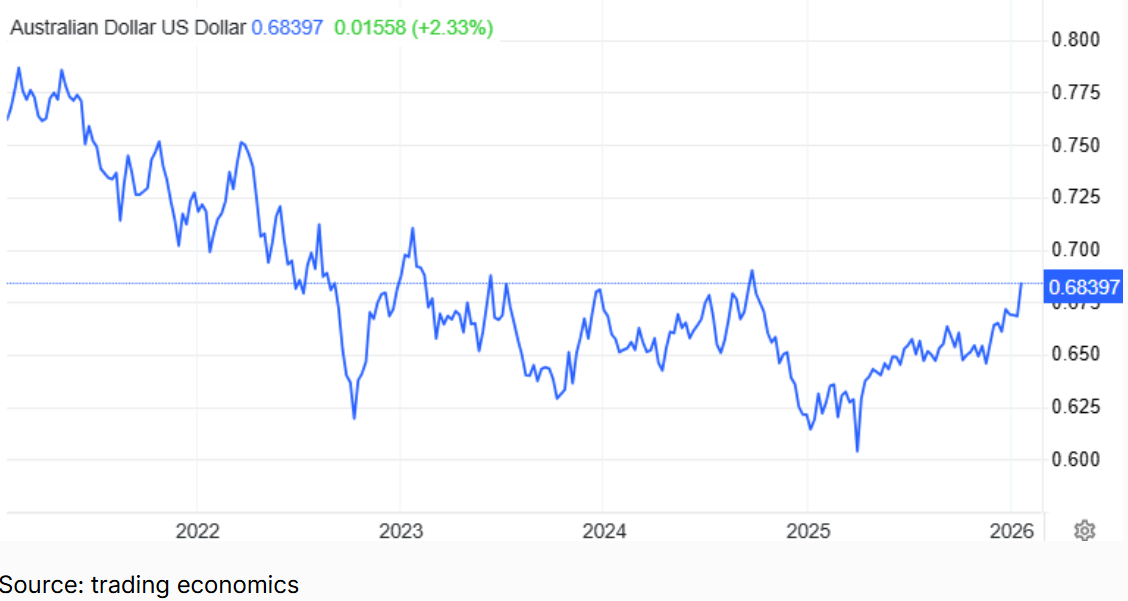
The Australian Dollar held near $0.684, close to a sixteen-month high, as investors priced in tighter monetary policy. Market sentiment has been buoyed not just by employment numbers but also by the upbeat PMI data, signalling that both manufacturing and services sectors are accelerating.
Employment and monetary policy
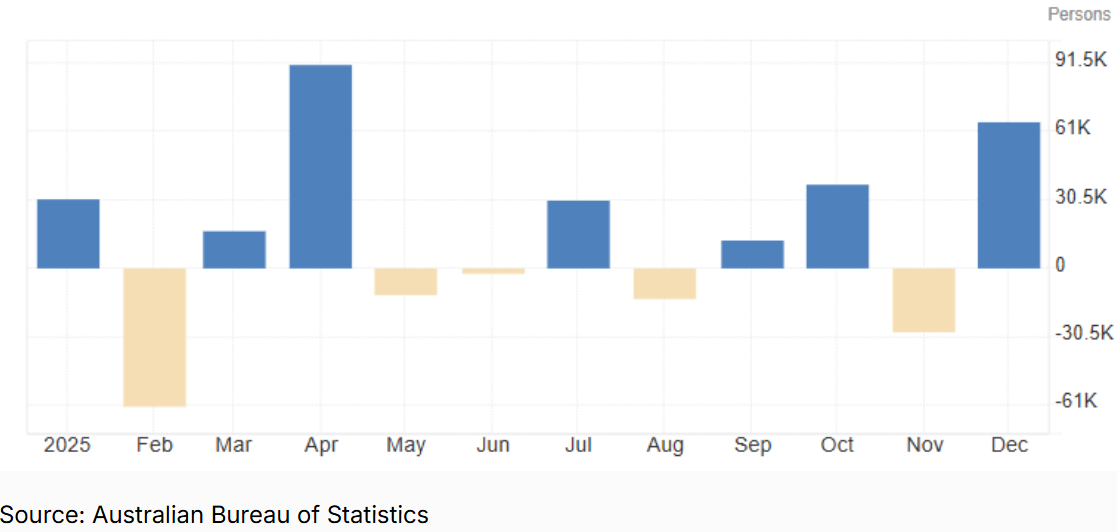
The Australian Dollar strengthened against the US Dollar following fresh employment data, reinforcing market expectations of tighter monetary policy from the Reserve Bank of Australia (RBA). The Australian Bureau of Statistics (ABS) reported a surprising 65.2K increase in jobs for December, rebounding from November’s revised 28.7K loss, well above the consensus forecast of 30K. Meanwhile, the unemployment rate fell to 4.1% from 4.3%, beating forecasts of 4.4%.
Youth employment played a significant role, with more people aged 15–24 entering the workforce, contributing to both the employment surge and the drop in unemployment. The strong labor figures add to a growing case for the RBA to maintain a hawkish stance. The labor market’s resilience signals that underlying demand in the economy remains solid, putting policymakers in a position where they may tighten further if inflationary pressures persist.
Private sector strength
Australia’s economy continues to show momentum across multiple fronts. January’s Flash PMI revealed that the private sector expanded to its strongest level in nearly four years, with both manufacturing and services posting solid gains. The composite PMI rose to 55.5, marking its sixteenth straight month of expansion, while factory activity grew for a third consecutive month and services activity recorded its sharpest increase since early 2022.
Despite headline inflation easing more quickly than expected in November, the International Monetary Fund (IMF) has urged the RBA to remain cautious. Core inflation has lingered above the Bank’s 2%–3% target band for an extended period, meaning that while economic growth is robust, price pressures are still a concern. Combined with tight labor conditions, these factors point toward a central bank likely to maintain restrictive policy for the near term to prevent inflation from regaining momentum.
Bonds, currency, and rate expectations
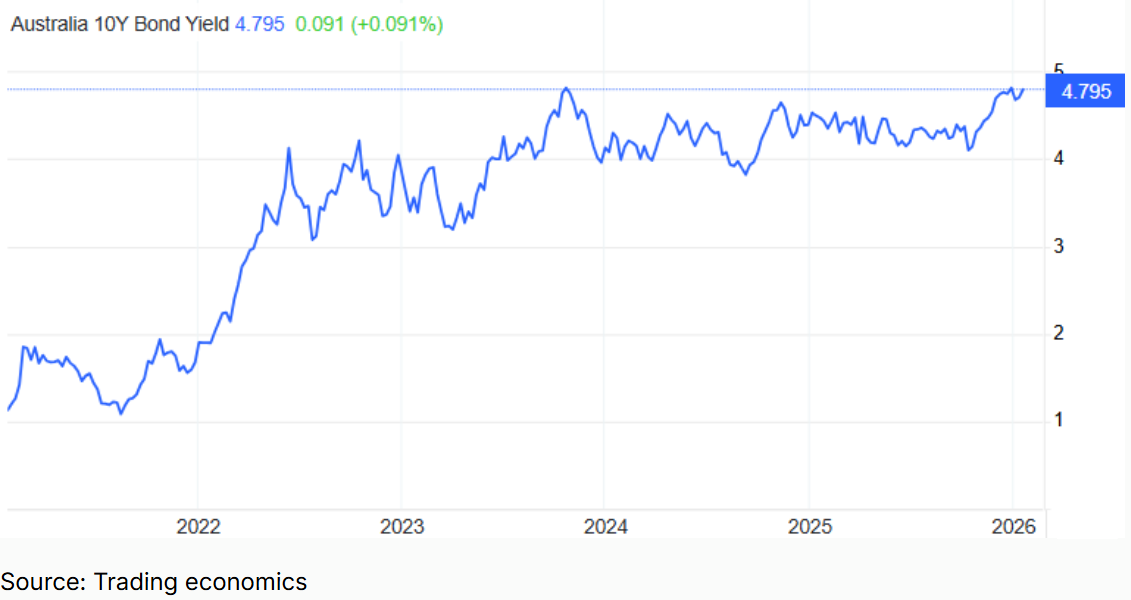
Australia’s 10-year government bond yield hovered around 4.81%, close to the two-year high reached earlier this month. The surge reflects renewed confidence in the economy’s strength and growing bets on a near-term rate hike from the RBA.
Currency
The Australian Dollar held near $0.684, close to a sixteen-month high, as investors priced in tighter monetary policy. Market sentiment has been buoyed not just by employment numbers but also by the upbeat PMI data, signalling that both manufacturing and services sectors are accelerating. Interest rate swaps now indicate a 80% odds of a rate increase by May, reflecting how quickly the market adjusts to economic signals.
Queensland’s Sunshine Coast remains the perennial favourite, but cooler climates are proving popular, with Tasmania and regional Victoria appealing to more Australians looking for a change.
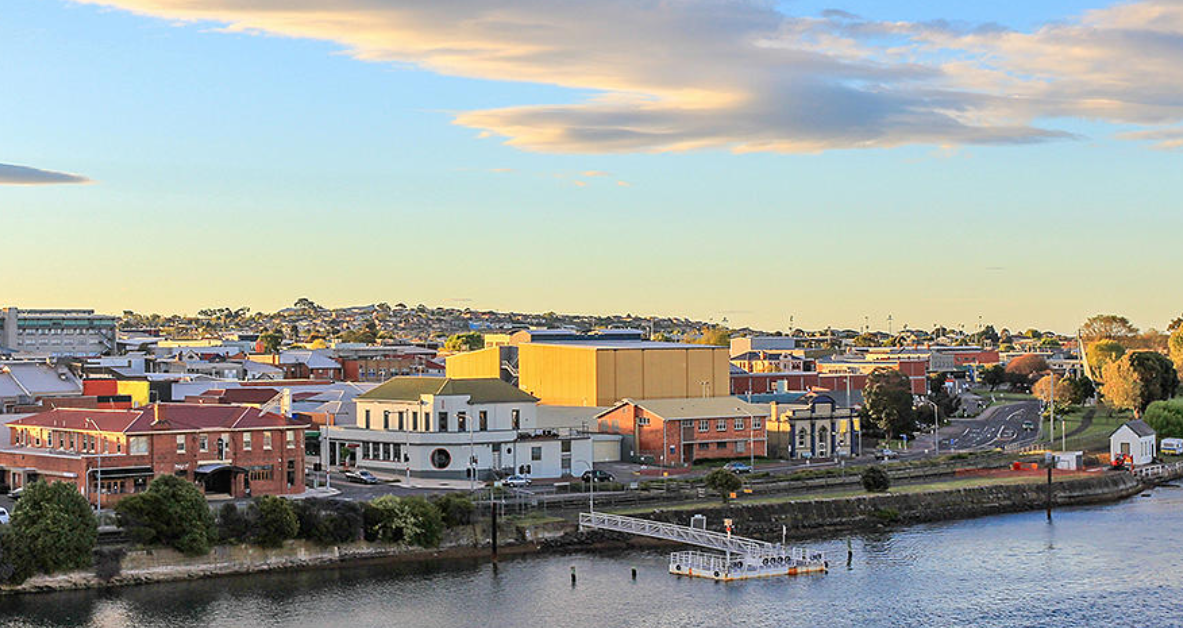
Australians continue to swap city skylines for regional horizons, with relocations from capitals to regions outpacing moves in the opposite direction by more than one-third (36%), according to the latest Regional Movers Index (RMI).
While Queensland’s Sunshine Coast retained its position as Australia’s most popular destination with the largest share of net internal migration, Regional Australia Institute (RAI) CEO Liz Ritchie said an increasing number of Australians are opting for cooler climates with Victorian and Tasmanian regions recording upticks in annual migration growth.
“We are seeing interesting moves in the southern states with Victoria’s Wodonga seeing the strongest annual net migration growth, while three Tassie spots – Latrobe, Devonport and Huon Valley – ranked second to fourth. Grouped together, these areas saw a five-fold increase in net migration over 12 months. Another Victorian local government area (LGA), Colac-Otway, rounded out the top five.”
The RMI, a partnership between the RAI and Commonwealth Bank of Australia (CBA), reveals:
Top spots stay popular
Ritchie said these ongoing trends would benefit the regions already experiencing significant growth, including those that have consistently claimed the lion’s share of migration.
“We continue to see the usual regions experiencing the largest net internal migration in the year to September 2025. The perennially popular top three spots: the Sunshine Coast with 8.8 per cent of total net internal migration to regions, Greater Geelong (7.7 per cent) and Lake Macquarie (4.1 per cent) all feature, with Fraser Coast (3.6 per cent) and Moorabool (3.5 per cent) in a battle for fourth and fifth favourite.
“Capital city people make up the bulk of the net migration to most of these regions. And interestingly, the Fraser Coast stands out for broad appeal for both city folks and regional movers. Its net migration comes from both these sources quite evenly.”
Ritchie said while most city movers are coming from Sydney and Melbourne, there were some interesting developments in Western Australia.
“Perth has gone from receiving net inflows to seeing a net outflow with 3 per cent of the share of total city movers, reversing a previous trend,” she said.
“Regional WA is also attracting more movers, with its share of net inflows rising to 10 per cent in the September quarter, up from 6 per cent the previous year. Broome, Gingin and East Pilbara LGAs in Western Australia all feature among the growing destinations for capital city movers to regions.”
CBA Executive General Manager Regional and Agribusiness Banking Kylie Allen said while the Sunshine Coast and Greater Geelong remain popular in terms of share of migration, North-West Tasmania was becoming a magnet for opportunity and lifestyle.
“North-West Tasmania is positioning itself as a growth region, with ongoing investment in infrastructure upgrades and economic development initiatives,” she said.
“Coupled with a strong base of established industries, particularly the agriculture sector, its strategic port position, and easy access to Tasmania’s stunning landscapes, the region is an increasingly compelling place to work, live and invest.”
Momentum in regional Victoria
Allen said similar momentum is evident in regional Victoria.
“Wodonga and neighbouring Albury are seeing investment and infrastructure developments across transport, education, health and defence, creating jobs and strengthening the local economy. We’ve seen our own business customers benefit from an uplift in trade due to the inflow of new residents, and other businesses pivot and diversify into different areas to meet new demand.
“While the outlook is positive, attracting and retaining skilled professionals remains a challenge across regional areas. Even with a growing population, some sectors remain under pressure. Continued investment in training and upskilling will be key to meeting demand.”
The RMI, a partnership between RAI and CBA, provides vital and timely insights into migration trends and supports decision-making across sectors.
Editor’s Note: The Regional Movers Index, launched in 2021, tracks movements between Australia’s regions and capital cities, using Bank data from relocations amongst more than 14.6 million customers. This enables early identification of growth trends and flags places emerging as hot spots needing fresh thinking on housing and infrastructure.
Data based on bank customer address changes over the past five years, with prior addresses resided in for at least six months. Greater Capital City/Regional Area based on ABS 1270.0.55.001 GCCSA. An LGA must have recorded net internal migration inflows of 50 or more people in 12 months to June 2025 and 10 or more people in previous 12 months to be included in the report.
The RMI is used primarily to map population movements between Australia’s regional areas and its capital cities. For this reason, it uses an ABS classification of regional that includes areas in and around other centres of population, including the Gold Coast, Sunshine Coast, Newcastle, Wollongong and Geelong.
The Gold Coast man said you didn’t need to go to university to have a good career.

An Aussie tradie earning a six-figure salary said his industry was “screaming out” for more workers. He encouraged other young workers to “give trades a go”.
The Gold Coast man was stopped on the street and revealed he was earning $178,000 a year as an instrumentation electrician in the oil and gas industry. Instrumental electricians are responsible for installing and maintaining equipment and repairing faults.
The tradie shared he started off doing an electrical apprenticeship before getting further qualifications.
“I started off just as a normal sparky and then after that got my instrumentation ticket license,” he said.
The Gold Coast man said you could get a Certificate III or Certificate IV to get into the job, depending on “how far you wanna go with it”. He said there were “heaps” of jobs available.
“They’re always screaming out for instrumentation electricians,” he said.
The man said if he wasn’t working as an instrumental electrician, he would still be working in another trade. For young people working out what to do after school, he said it was worth considering a trade.
“I would say for myself, give trades a go. I think there’s definitely money to be made in trades and you don’t necessarily have to go to university or anything like that to make a good career,” he said.
Workers can earn ‘much more’
The average salary for instrumentation technician jobs is $109,600, according to Talent. Entry-level positions can start at $93,500 per year, while more experienced workers can make up to $159,019 per year.
Meanwhile, the average electrician salary is $93,862 per year, with entry-level positions starting off at $78,968 per year and more experienced workers raking in $134,816 per year on average.
Some Aussies said in their experience instrumentation electricians could make “much more” than the Gold Coast man’s $178,000 wage.
“My husband does the same job and could easily pull higher than this with overtime rates,” one wrote.
“Yeah oil and gas sparky on $178,000 seems low especially if it’s offshore,” another wrote.
“$300,000 easy for him with nightshift and overtime,” another claimed.
How do I become an instrumentation technician?
You need to become a licensed electrician to work as an instrumentation technician and this will usually require completing an apprenticeship.
According to SEEK, you’ll need to get your Certificate III in Electrotechnology to become a qualified electrician. This takes around four years and includes on-the-job training and theoretical learning.
You’ll then need to apply for your electrician’s license and consider completing a Certificate IV in Instrumentation and Control.
You would then need to get your construction induction card (white card) and other necessary licenses or tickets.
 If you’re worried about the conflict currently happening in parts of the Middle East right now, you’re not alone.
Visitors to Australia and locals alike have been watching the recent news from the Middle East with growing concern. For students who have family and friends living in the impacted areas, the conflict can be especially difficult to process while living far from home.
While Australia remains a safe place to live and study, it’s important to acknowledge that these events can still have a very real impact, both emotionally and practically. If you’re feeling anxious right now, you don’t have to keep it to yourself; support is available.
What’s happening in the Middle East?
The current escalation began late last month, when American and Israeli airstrikes targeted several locations across Iran. These strikes resulted in the death of Iran’s Supreme Leader, Ayatollah Ali Khamenei, and several other officials, significantly increasing tensions in the region.
Iran launched retaliatory missile and drone attacks against targets connected to the United States and Israel, including military bases, such as Al Minhad Air Base in Dubai, an Australian base in the region. The conflict has also drawn in other groups and countries, including reigniting fighting between Israel and Hezbollah in Lebanon.
Why this may be affecting you
Even when you are far away from the conflict, its effects can still be felt in everyday life.
You may be worried about loved ones back home or feel anxious about what the future holds for your country or community.
Distressing news and social media updates seem almost impossible to avoid right now, but if they’re having a constant negative impact on your wellbeing, it’s important to look away when you can and take some time for yourself.
Of course, the emotional impact is only half of it; there are also going to be practical impacts that reach us even in Australia. The closure of the Strait of Hormuz is already having an effect on petrol prices, with fuel set to rise to upwards of 300c per litre. We recognise the privilege of worrying about fuel costs when others in the world are going through much harder times, but for those here in Australia already struggling with the cost of living, it’s an effect that will certainly increase those stressors.
Soaring fuel prices will also have an ongoing impact on plane travel, with some routes already being cancelled due to safety concerns or airspace closures. This can lead to travel disruptions, longer flight paths, or delays for students planning to visit home or for family members travelling abroad, so be prepared for this and plan accordingly.
You are safe here
For Middle Eastern students living in Australia, it’s important to remember that you are in a safe and supportive environment.
During international conflicts, emotions and opinions can run high. News coverage and social media discussions sometimes simplify complex situations, which can lead to misunderstandings or insensitive comments.
For students with personal ties to the Middle East, hearing people justify violence, make assumptions or express negative stereotypes can be deeply upsetting. In some cases, students may also experience racism or discrimination linked to their background.
It’s important that you and your culture, just like anyone else on Australian soil, deserve respect and empathy.
If you encounter comments or behaviour that make you feel uncomfortable, you are not expected to handle the situation alone. The Australian Government has clear policies around discrimination, harassment and racism. Your university campuses will also be able to provide ways to report incidents confidentially.
Looking after yourself
Feeling worried, distracted or homesick during international crises is completely normal. Most Australian universities offer counselling and wellbeing support services for students, but there are also national mental health support lines that you can access 24/7.
If you are feeling overwhelmed, taking some small steps can help protect your well-being:

International student intake climbs — but with tougher scrutiny
After two years of attempts to rein in student numbers, the Albanese government will adopt a more moderate stance in 2026. The target intake will rise from 270,000 in 2025 to 295,000 in 2026, even as stricter visa checks remain in place.
Skills and Training Minister Andrew Giles said in August: “The settings that government has put in place for 2026 will ensure that the international VET [Vocational Education and Training] sector can grow sustainably to better meet skills needs, in Australia and the region.”
From 2026, Australian-schooled international students and those coming through TAFE or recognised pathway providers into public universities will be exempt from the government’s National Planning Level, or cap. Longer-term changes are also on the way, with a new Tertiary Education Commission expected to oversee student caps and university allocations from 2027.
But Abul Rizvi, a former deputy secretary at the Department of Immigration from the early 1990s to 2007, said the system is still adjusting unevenly.
He noted that the planning levels have created very different outcomes across sectors.
“Private higher education providers had by September significantly exceeded their planning levels. VET and public universities were well below their planning levels,” he said.
Rizvi said public universities are now heavily reliant on rapid visa processing to meet next year’s allocations.
“There was a big increase in offshore student applications for higher education in September 2025 … Public universities will be relying on those applications being processed quickly and the students arriving quickly to get near their allocations,” he said.