 EXCLUSIVE MEMBERS ONLY ACCESS
To access this month’s edition & Member’s only resources, enter your registered email address.


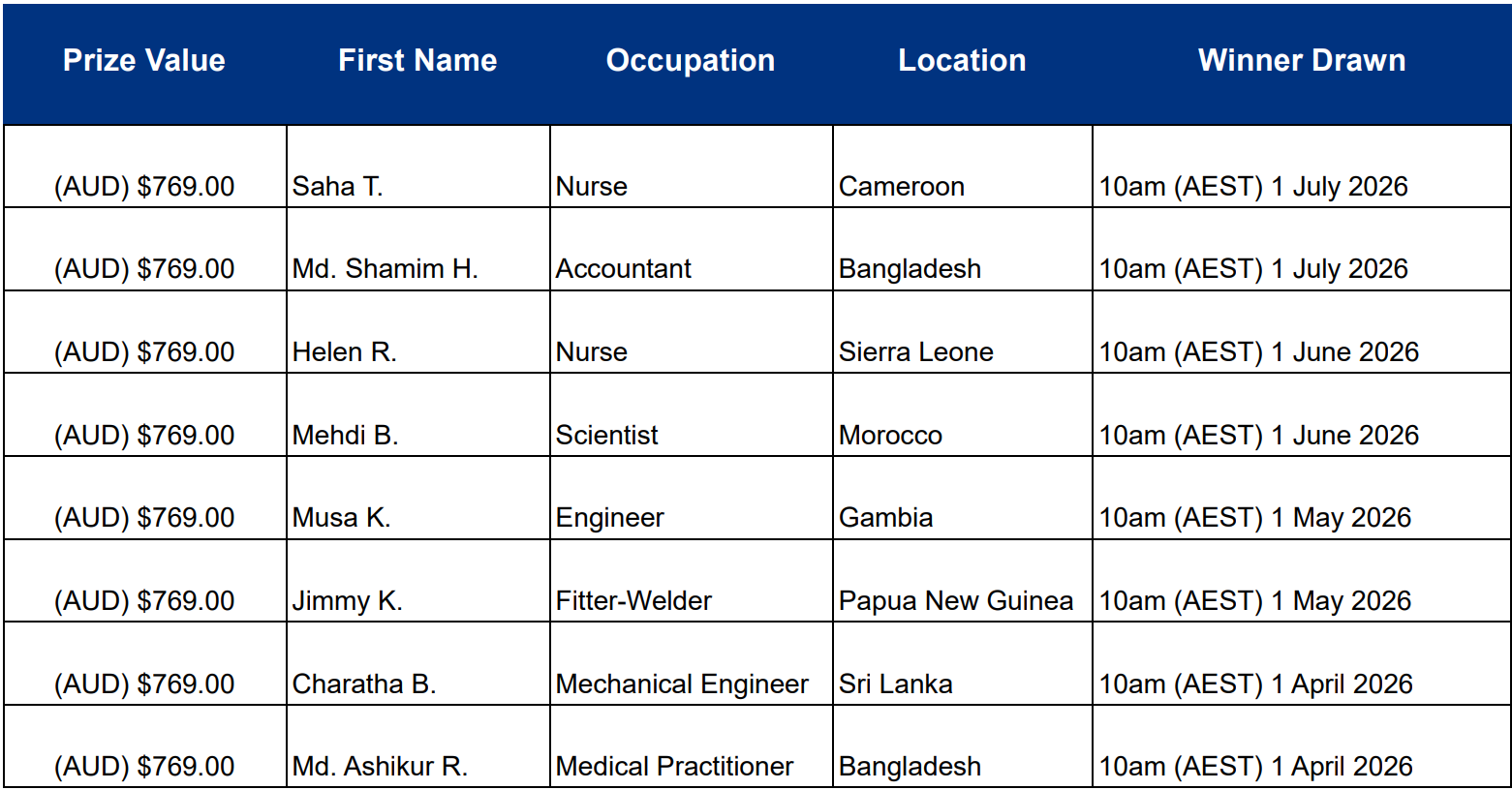
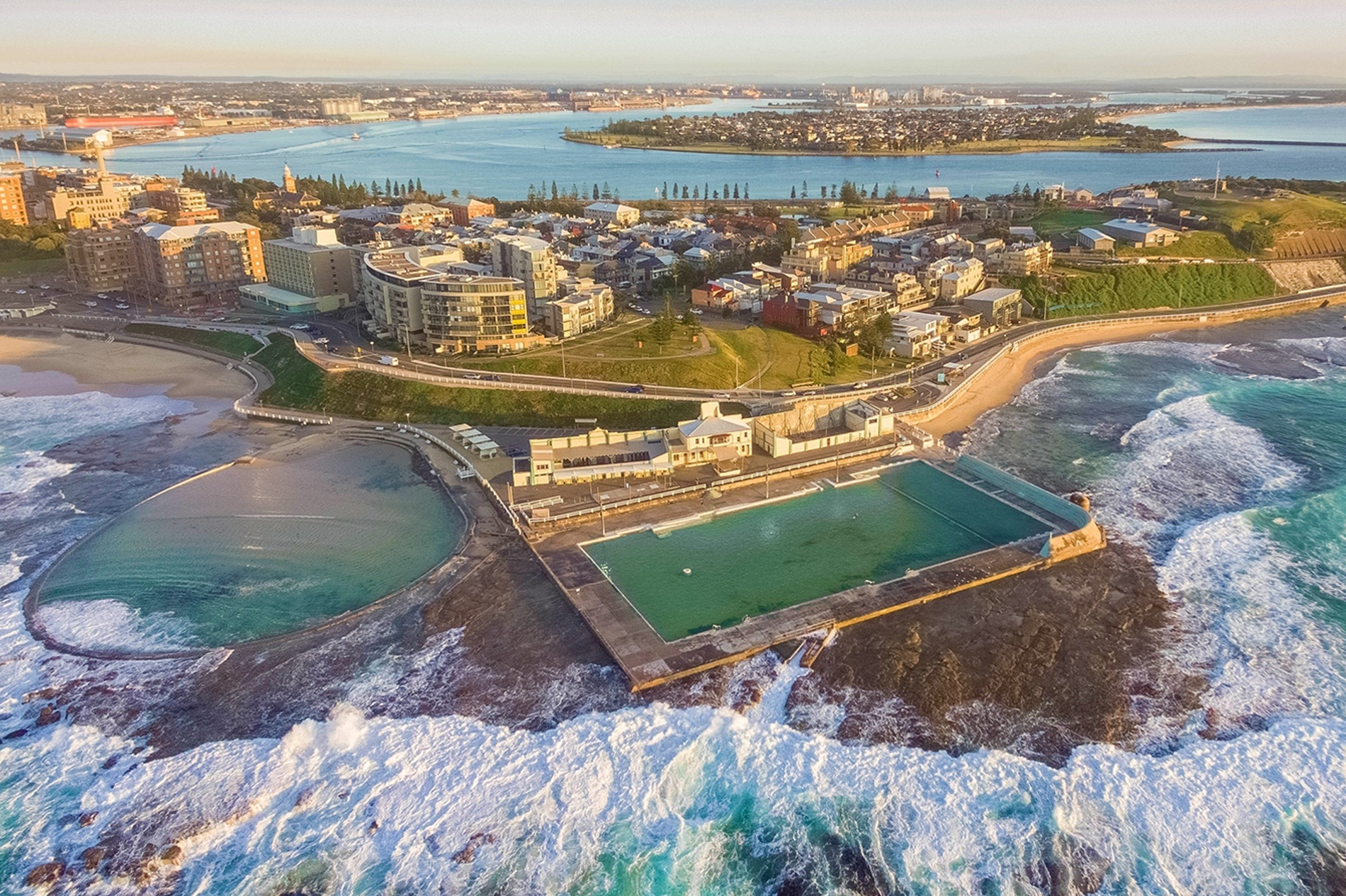
Newcastle, New South Wales
The Results of the August 2021 census were made public on 12th July 2022, and revealed that Australia has become a majority migrant nation, as the census data shows for the first time that more than 50 per cent of residents were born overseas or have an immigrant parent.
Australia’s 2026 Migration Program has been carefully designed to boost the social and economic outcomes that meet Australia’s needs. In fact, the migration programme was first launched in 1945 following the aftermath of World War 2. Given this long history, it is worth understanding how it works. The Australian Immigration Bulletin exists to help explain this in more detail.
As we’ve entered the 7th month of the year, join us for a look at the latest news and developments in the world of Australian Immigration!

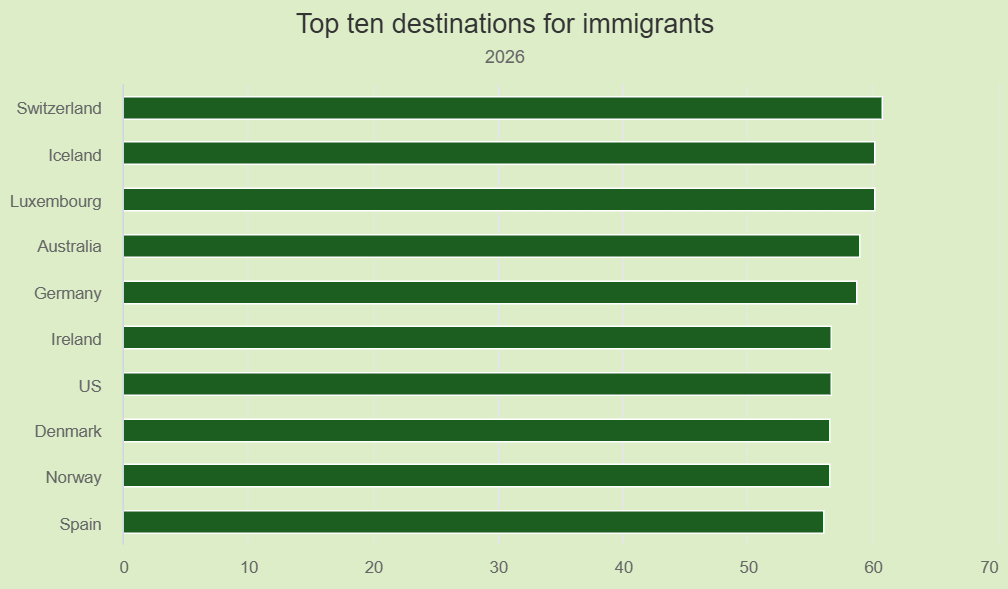
Australia and the United States are the only non-European countries to secure spots in the world’s top 10 destinations for immigrants in 2026, according to the latest Immigration Global Index released by remittance company Remitly.
The company evaluated 82 countries by analyzing 34 metrics across 16 categories to identify the most attractive destinations for people seeking to relocate and build a long-term future abroad.
The metrics include earning potential, healthcare, safety, environmental quality, family support, public transport, childcare costs, broadband speeds, and the strength of existing immigrant communities.
European countries dominated the list, with Switzerland on top, followed by Iceland and Luxembourg. Germany and Spain entered the top 10 for the first time.
Australia ranked fourth globally, and the United States placed seventh.
Switzerland secured the top spot after placing second in 2025. The country scored highly for income opportunities, healthcare accessibility, public safety, and infrastructure. Its long-established immigrant population further enhances its attractiveness as a destination for expatriates.
Iceland, which held the top spot last year, fell to second place. The country led the index in environmental sustainability and continued to score high in earning opportunities and safety, but a lower availability of international schools weighed on its overall score.
Luxembourg maintained the third-place position by offering excellent income opportunities, reliable public transport, and a diverse expatriate community. When combined with high levels of safety, strong environmental credentials, and high citizen satisfaction, these strengths make it a highly attractive choice for building a life and career in Europe.
Australia’s strong performance was underpinned by a combination of career opportunities, high living standards, and a large immigrant population. This synergy helped the nation rise from eighth place last year to the fourth spot this year.
Germany stands out for its robust infrastructure and strong social framework, soaring from 14th place last year to the fifth position. High rankings in healthcare, environmental performance, and energy security make it a reliable destination for immigrants. Its extensive worker protections and career opportunities solidify its strong overall appeal.
The United States’ seventh-place position reflects core strengths in economic opportunity, earning potential, and the presence of large, established immigrant communities.
Shifting priorities for global migrants
According to Remitly, the 2026 index reflects changing migration priorities. While economic opportunity remains a vital consideration, prospective migrants are increasingly weighing other lifestyle factors.
Family support, access to healthcare, safety, environmental sustainability, and overall well-being are playing much larger roles when deciding where to relocate. The report found that no single destination excels in every single category.
Switzerland’s rise to the top was attributed to a well-rounded combination of high incomes, strong healthcare, safety, and a sizable immigrant population. Meanwhile, countries such as Spain scored particularly well on family-friendly measures, and Luxembourg led the world in public transport accessibility.
Australia’s strong healthcare system, growing immigrant communities, outdoor lifestyle and quality of life are key reasons people continue to choose the Land Down Under. In addition to landing fourth overall, Australia ranked second for healthcare once again. It also came fourth for environmental quality, sixth for family-friendliness, sixth for earning potential (boasting the world’s second-highest minimum wage), eighth for immigrant community size and tenth for happiness.
As global migration remains near historic highs, the index suggests that countries able to balance economic opportunity with a high quality of life are increasingly becoming the preferred destinations for those seeking a new start abroad.
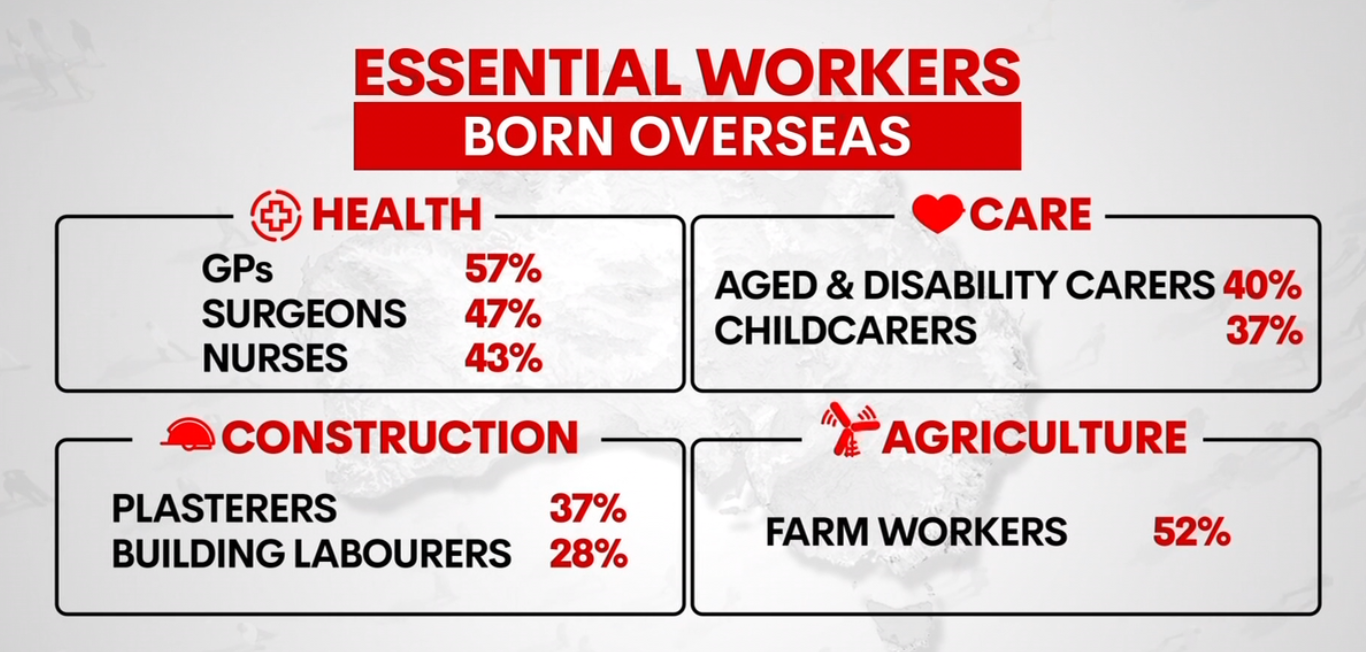
New figures have revealed the critical role migrants play in keeping Australia running.
According to Department of Home Affairs data, a significant proportion of workers in essential industries were born overseas.
That includes 57 per cent of GPs, 47 per cent of surgeons, 43 per cent of nurses, 40 per cent of aged and disability carers, 37 per cent of child carers, 37 per cent of plasterers, 28 per cent of building labourers and 52 per cent of farm workers.
If Australia didn’t have immigration, the Australian economy would have been in recession for about the last two years or so.
The Australian Governments net overseas migration target is 225,000 a year.

DATA EMBEDDED in this month’s Federal Budget confirm Australia’s finances are the envy of the world.
It is the only nation on the planet with jobless and inflation rates below 4.7%, and median wealth per adult above US$250,000 (AU$350,000). It is also the only economy with triple-A credit ratings, interest rates between 1% and 5% and government debt below 25% of gross domestic product (GDP).
More importantly, the budget outlined courageous fixes for debilitating injustices that have lingered for decades.

The federal budget confirms skilled migration remains essential to Australia’s workforce strategy. For employers across Australia, the skills shortage has not gone away.
Whether you are running a workshop, construction company, engineering firm, health service, agricultural operation, manufacturing business, laboratory, infrastructure project or regional facility, the same challenge keeps coming up: there are not enough skilled workers available locally to meet demand.
The latest 2026 Federal Budget, handed down by Treasurer Jim Chalmers, reinforces an important message for Australian employers: skilled migration remains a critical part of Australia’s workforce solution.
For employers, the message is clear: the Budget suggests the skilled migration system is being sharpened to focus more heavily on the workers Australia needs most.
This includes major investment in faster trade skills assessments, improved occupational licensing pathways, stronger oversight of assessing authorities and consultation on a Skills Migration Commissioner.
In practical terms, the workforce impact is significant. Employers should expect skilled migration to remain available, but also more targeted, more compliance-focused and more closely linked to national workforce priorities. Businesses that need skilled tradespeople, engineers, healthcare workers, technicians, scientists, agricultural specialists and regional workers now know that the system is being refined around genuine skill shortages.
This matters because Australia’s workforce challenges are not theoretical. The country still needs skilled people to deliver major infrastructure, housing, clean energy, mining, healthcare, engineering, construction, agriculture, science and technical projects. From the 2032 Brisbane Olympics and Renewable Energy Zones (REZ’s), to Western Sydney Airport, Inland Rail, Snowy 2.0, AUKUS, Western Australia and Queensland mining operations, major road and rail projects, and regional health services, labour shortages remain a direct constraint on delivery.
For employers, skilled migration is about filling genuine gaps where local recruitment and training do not keep up with demand.
Skilled Migration Is Still Central to Australia’s Economic Plans
The Budget shows that skilled migration is not being treated as a short-term fix. It remains part of the long-term national workforce strategy.
The skills stream has been allocated 129,500 permanent places (70%), which means the focus remains on attracting workers who can fill genuine labour gaps across the economy.
For employers, this matters because many industries are already competing for the same limited pool of qualified workers. In sectors such as automotive trades, engineering, construction, healthcare, science, technical services and agriculture, recruitment delays can directly affect productivity, revenue, service delivery and project timelines.
When a business cannot find the right people, the consequences are real. Jobs are delayed. Existing staff are stretched. Growth is put on hold. Regional communities struggle to maintain essential services. Major projects face bottlenecks.
Message comes ahead of politically charged World Cup ‘Socceroos are best representation right now of what Australia is’.
 The Socceroos have sent a powerful video message ahead of the World Cup, speaking of their pride in their heritage and playing for the national team.
Awer Mabil, a winger playing for Castellón in Spain, begins the video: “I was born in Kakuma refugee camp in Kenya. My parents are South Sudanese.” The defender Lucas Herrington, who has Zimbabwean heritage, “was born in Brisbane, Australia”. The full‑back Aziz Behich adds: “My family migrated from Cyprus.” Jason Geria, who has Ugandan roots, says he was born in Australia.
The PFA chief executive, Beau Busch, said the Socceroos “highlight the profound impact of multiculturalism” on the country.
During the meetings, the Socceroos were invited to consider what kind of statement they wanted to issue ahead of the politically-charged tournament. They agreed to promote multiculturalism, and 20 of the 26-player squad recorded videos that make up the near-two‑minute message, with the video’s key theme: “No matter where you come from, football is for everyone.”
That slogan is repeated by Jacob Italiano, Aiden O’Neill and Harry Souttar, the latter in a strong Scottish accent. “The Socceroos aren’t just a team, we are a reflection of modern Australia,” continues Irvine.
In the video, Mo Touré explains his upbringing, as a child to Liberian refugees, born in Guinea before moving to Adelaide as a refugee. Milos Degenek fled Croatia as an 18-month-old, living in Serbia as a refugee before moving to Sydney at the age of six.
The World Cup has brought players, staff and supporters of 48 teams to the US, Canada and Mexico over the next six weeks.
“Our diversity is our strength,” Mat Leckie says in the video. Geria says: “The Socceroos are the best representation right now of what Australia is.”
The team captain, Maty Ryan, Paul Okon‑Engstler, Jordy Bos and Herrington speak of the pride in playing for the Socceroos, as does Mabil. “There’s a lot of journeys behind the jersey, so to be a Socceroos has many different meanings, but with one purpose and that is to do the country proud,” Mabil said. Irvine concludes: “We are proud of where we come from and who we represent, and proud to represent Australia.”
 If you are interested in applying for a general skilled migration visa to Australia, it is important to have a good understanding of the skilled visa options and how the migration points test works, so that you can maximise your chances of being eligible to apply for a skilled visa.
The General Skilled Migration Program
A general skilled migration visa is an option available to skilled workers who are seeking to qualify for a skilled visa independently, or under a state or family sponsorship. It is an alternative to an employer sponsored visa.
One of the key criteria to qualify for a general skilled migration visa is the points test (a criterion that does not apply to employer sponsored visas). This is often the most challenging aspect for prospective skilled visa applicants to overcome when seeking an invitation to apply for the relevant skilled visa.
If you are considering applying for a general skilled migration program visa, an important concept to understand is the Expression Of Interest (EOI).
What Is An Expression Of Interest (EOI)?
If you are considering applying for a general skilled migration visa, it is important to be aware that for certain visas in this visa class, you will first be required to lodge an EOI with the Department of Home Affairs (the Department) through SkillSelect. The EOI is not a visa application, but rather, it is the process by which you can express your interest in applying for the relevant skilled visa (It’s important to note, that there is NO fee to submit an EOI).
This requirement applies to the following skilled visa subclasses:
Let’s take a brief look at each of these visas below:
The ‘subclass 189’ is a federal sponsored visa that grants automatic permanent residence in Australia. It is subject to nil visa conditions or obligations. For this reason, it is often considered to be the most flexible of the skilled visa options available.
A subclass 189 points-based visa allows you to live and work in any state or territory permanently.
The ‘subclass 190’ is a state/ territory sponsored permanent residence visa. It is another points-based visa for which invitations are issued throughout each month by individual states and territories. One of the benefits of applying for state nomination is that you will be granted an additional 5 points.
An important aspect to consider, which does not apply to the subclass 189 visa is that there is an added step in the application process. In this case, you must also apply for nomination approval to a state or territory government. Only upon receipt of an invitation from the relevant state or territory to which you apply can you then apply to the Department for the visa itself.
Your obligations as a subclass 190 visa holder are that you must commit to your nominating jurisdiction’s obligations and commit to residing in your nominating State or Territory for two years from visa grant.
The ‘subclass 491’ is also a points-based state/ territory (or family) sponsored visa. It is a regional visa with a term of five years. The Department issues invitations for family sponsored EOI applications only (in invitation rounds). Invitations for state sponsorship are issued by individual states and territories throughout each month. This will grant you an additional 15 points for the nomination.
Being a provisional visa, this means it provides a pathway to permanent residence in Australia with the Subclass 191 Permanent Residence (Skilled Regional) visa, subject to meeting specified requirements.
Be mindful that as a subclass 491 visa holder, you must abide by visa condition 8579, which requires you to live, work and study in a designated regional area of Australia. For migration purposes, most locations of Australia outside of major cities (Sydney, Melbourne, Brisbane, Perth, etc.) are classed as regional areas.
How Can You Receive An Invitation To Apply For A Skilled Visa?
If your EOI is successful, you will receive an invitation to apply for the visa, as specified in the invitation letter. This then enables you to proceed with lodgement of your visa application (provided you meet all other visa lodgement and visa grant requirements).
Please note, the below State and Territory program updates is a general overview only. It does not take into account any of your personal circumstances. You must check the State/Territory information carefully to ensure you can meet all the requirements for nomination.
Australia is currently facing a shortage of skilled migrants to fill workforce demands. In response, states and territories have been easing the conditions of their visa programs to help attract skilled workers from overseas.
Below is the monthly update for some of the State and Territory opportunities available.
Program Status Update
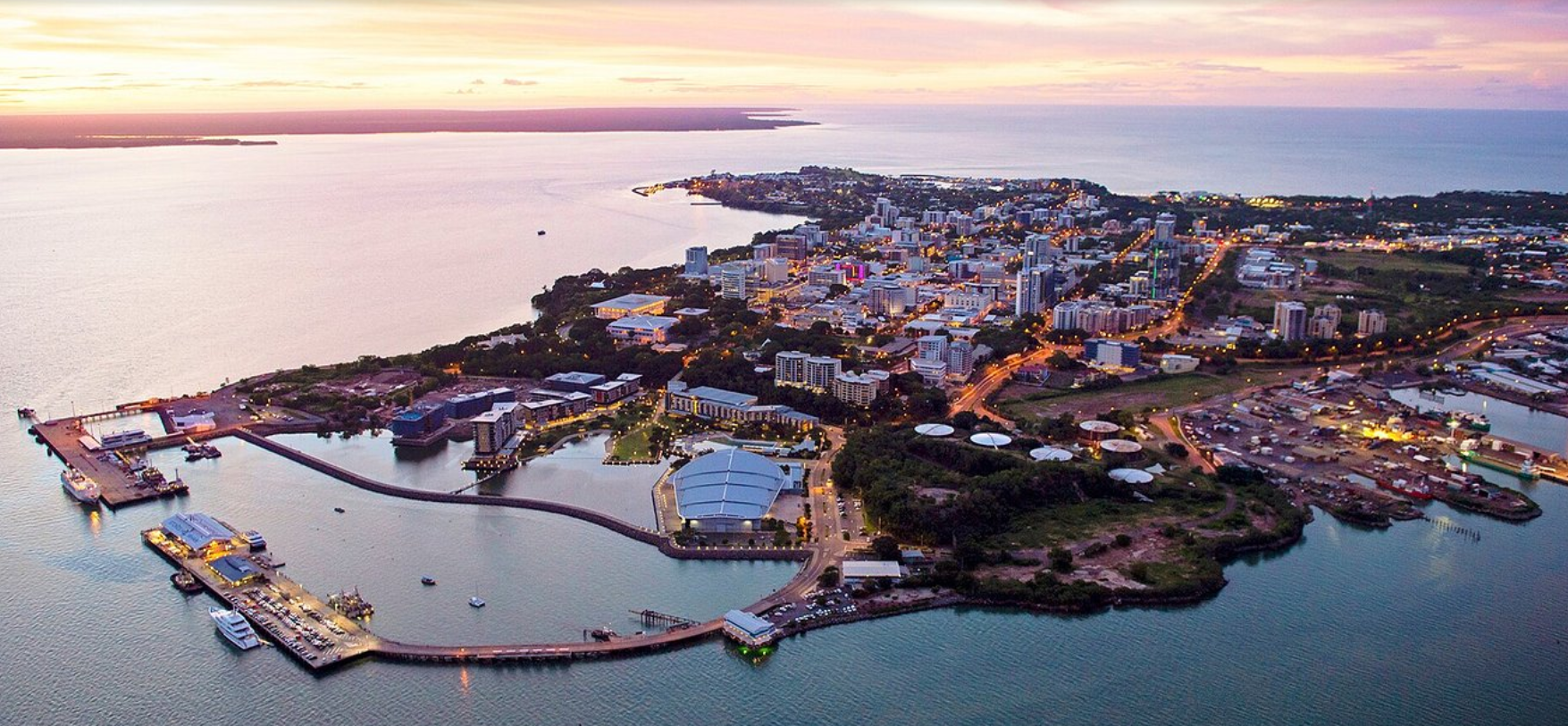
Update on NT General Skilled Migration (GSM) nomination applications for 2025-26
The NT Government has now received sufficient applications to fully utilise its GSM nomination allocation for the 2025-26 program year.
As a result, the NT nomination portal is now closed to new applications. Applications lodged before the closure will continue to be assessed. Updates on assessment of applications will be provided through the online portal.
The nomination portal will reopen once the Australian Government confirms the NT’s nomination allocations for the 2026-27 program year. Please continue to monitor this website for updates.
Visa holders who are onshore and have imminent visa expiry dates should seek professional migration advice on their visa options and ensure that they maintain lawful status while in Australia.
People residing offshore are eligible to be considered for Northern Territory (NT) nomination. Invitations to apply for Northern Territory nomination will be via the ranking system.
The ‘Northern Territory Offshore Migration Occupation List’ identifies the occupations in current demand in the Northern Territory. This List is important if you want to apply for Northern Territory nomination for either a:
The ‘Northern Territory Offshore Migration Occupation List’ is only applicable for those applying for NT nomination from outside Australia, under the Priority Occupation stream.
Please note: The Northern Territory government has advised that offshore applicants will generally only be offered a Northern Territory nomination for a subclass 491 visa. Subclass 190 nominations will only be offered in exceptional circumstances, such as cases where the applicant has strong connections to the NT.
The NT advises eligible applicants to apply as soon as they meet the eligibility criteria. To receive a nomination from the NT Government, you must:
Before submitting an EOI for The Northern Territory, applicants should check that they meet all eligibility requirements.
For information on how to submit an application, view how to apply.
For a further explanation, see the Frequently Asked Questions page on the Northern Territory Government website.
Program Status Update
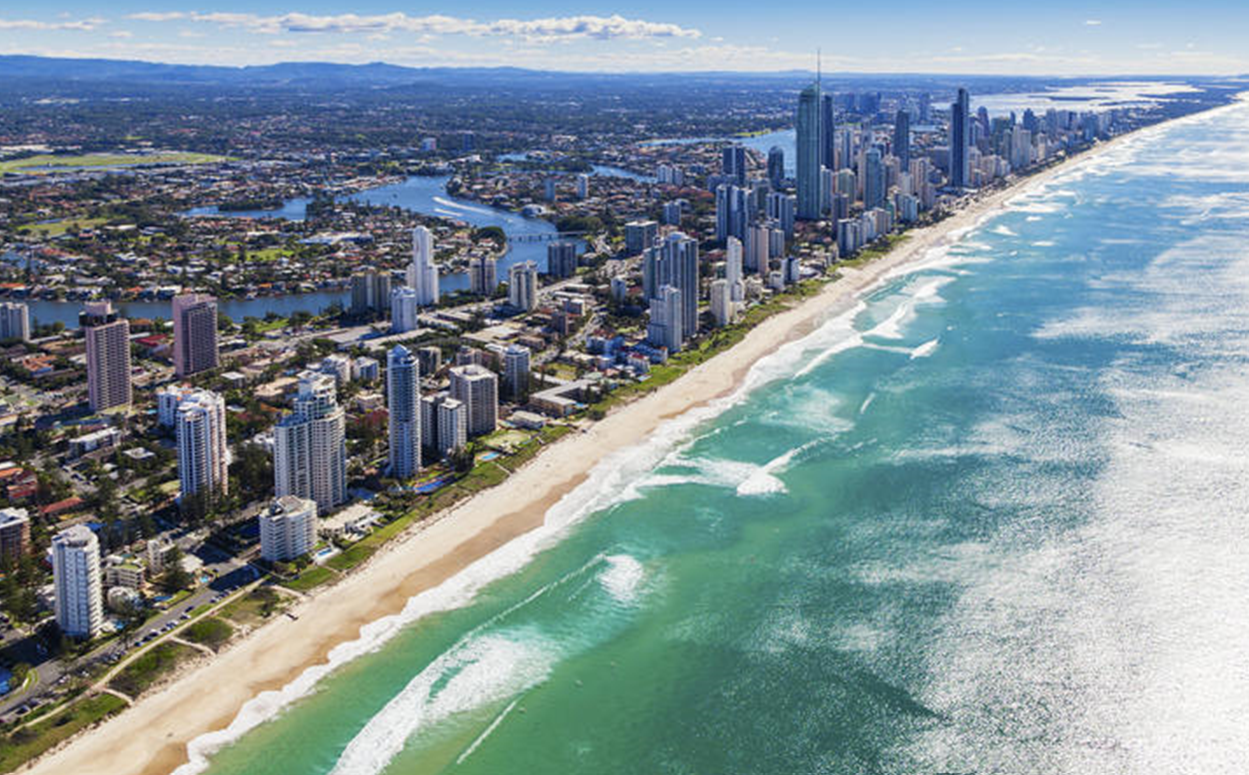
Program Status Update: Important Announcement
On 2 September 2025, the Australian Government announced the total number of places in its 2025-26 Migration Program. But it is still finalising state and territory allocations.
Queensland will not open the 2025-26 State Nominated Migration Program until our final program allocation is confirmed.
You can however submit your Registration of Interest (ROI) for Queensland nomination from 19 September 2025, in preparation for the program opening.
In the meantime, take a look here at which skilled visas and pathways might best suit you, including instructions for how to apply for Queensland nomination.
Once the above mentioned temporary suspension is lifted, you may be able to proceed with Queensland’s usual skilled migration program. Program details below:
Depending on your occupation and situation, there are two state nomination options available for skilled migrants through Queensland.
For Queensland state nomination, prospective applicants must meet the Department of Home Affairs requirements, state-specific occupation requirements and have skills in an occupation that is available on the Queensland Skilled Occupation List.
You may undertake employment once onshore in Queensland through:
Offshore applicants meeting the minimum published requirements are eligible to lodge an Expression of Interest (EOI) on Skill Select and then a Registration of Interest (ROI) on the Migration Queensland portal.
Migration Queensland criteria requires you to:
The 2025-26 Skilled Migration Program is open to both onshore and offshore applicants and provides pathways for skilled workers, graduates, and small business owners.
Before submitting a Registration of Interest (ROI) for Queensland, applicants should check that they meet all eligibility requirements.
Note: In the EOI, select ‘Queensland’ as the only state of interest in the EOI, if you wish to be considered for an invitation to apply for Queensland nomination.
For information on how to submit an application, view how to apply.
For a further explanation, see the Frequently Asked Questions page on the Queensland Government website.
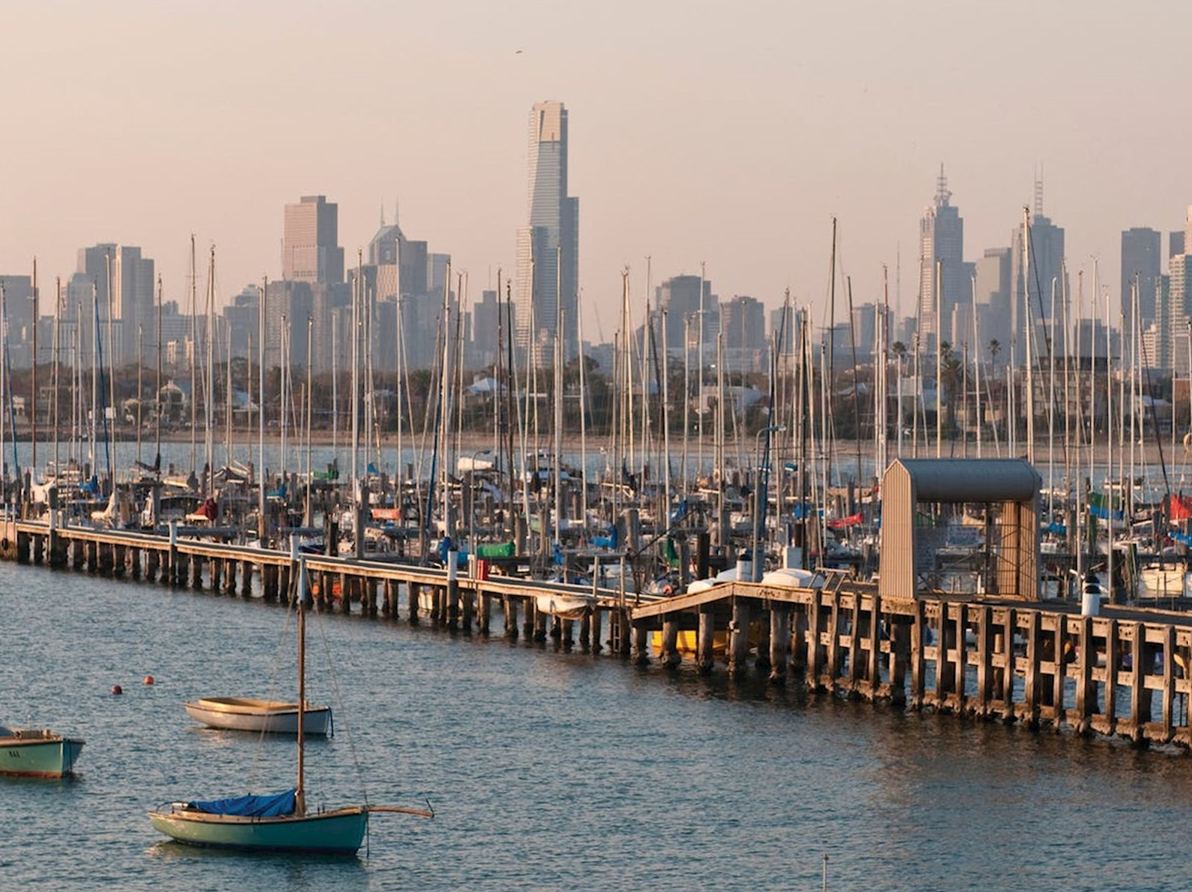 Program Status Update
Victoria’s 2025-26 state nominated skilled visa program is now closed to new Registrations of Interest (ROIs).
Victoria will continue to consider all submitted ROIs for the remaining nomination places in the 2025-26 program year.
If you withdraw your ROI, you will not be able to submit a new one until the 2026-27 program opens.
Information on the 2026-27 program will be published when it becomes available.
Once the above mentioned temporary suspension is lifted, you may be able to proceed with Victoria’s usual skilled migration program. Program details below:
Open to offshore applicants, the program provides skilled migrants with a pathway to permanent residency in Victoria. The skills that successful applicants bring to Victoria benefits employers and the broader Victorian economy.
The program provides two visa pathways:
As with previous years, applicants will first need to submit a Registration of Interest (ROI) and then be selected on competitive merit to apply for visa nomination.
*Please note: Invitation rounds occur frequently throughout the financial year with no set date.
To be invited to apply for Victorian skilled visa nomination, you must firstly make or update an Expression of Interest (EOI) via the Australian Government’s SkillSelect and then submit a Registration of Interest (ROI).
Both onshore and offshore applicants are eligible to submit a Registration of Interest (ROI) for both the subclass 190 and subclass 491 visas.
If you previously submitted an ROI in the 2024-25 and wish to be considered for invitation in the 2025-26 program, your ROI is still valid. You do not need to withdraw your ROI unless the information in the ROI has changed.
Your ROI will remain in our system for selection until it is withdrawn or selected.
You can check if your ROI is active via the Live in Melbourne portal. Login to your account > Applications > Click into the relevant NFR number > If active, the status will show ‘Submitted’ or ‘Received’.
Before submitting an ROI for Victoria, applicants should check that they meet all eligibility requirements.
For a further explanation, see the Frequently Asked Questions page on the Victoria Government website.

Program Status Update
*Western Australia (WA) 2025-26 Skilled Migration Program for OFFSHORE Applicants.
People residing offshore are eligible to be considered for Western Australia (WA) State nomination. Invitations to apply for WA State nomination will be via the ranking system.
The Western Australian Skilled Migration Occupation List identifies the occupations in current demand in Western Australia. This List is important if you want to apply for Western Australia nomination for either a:
Please note that to be eligible for an invitation in the WA State Nominated Migration Program, you must meet both:
Before starting your application, you will need to check whether your occupation is available on either the WA Skilled migration occupation list (WASMOL) Schedule 1 or 2, or the Graduate occupation list. You can search for your occupation here. (The occupation list search bar is located under the heading ‘Eligible Occupations’.)
Features of the 2025—26 program:
Before submitting an EOI for Western Australia, applicants should check that they meet all eligibility requirements.
For a further explanation, see the Frequently Asked Questions page on the Western Australia Government website.
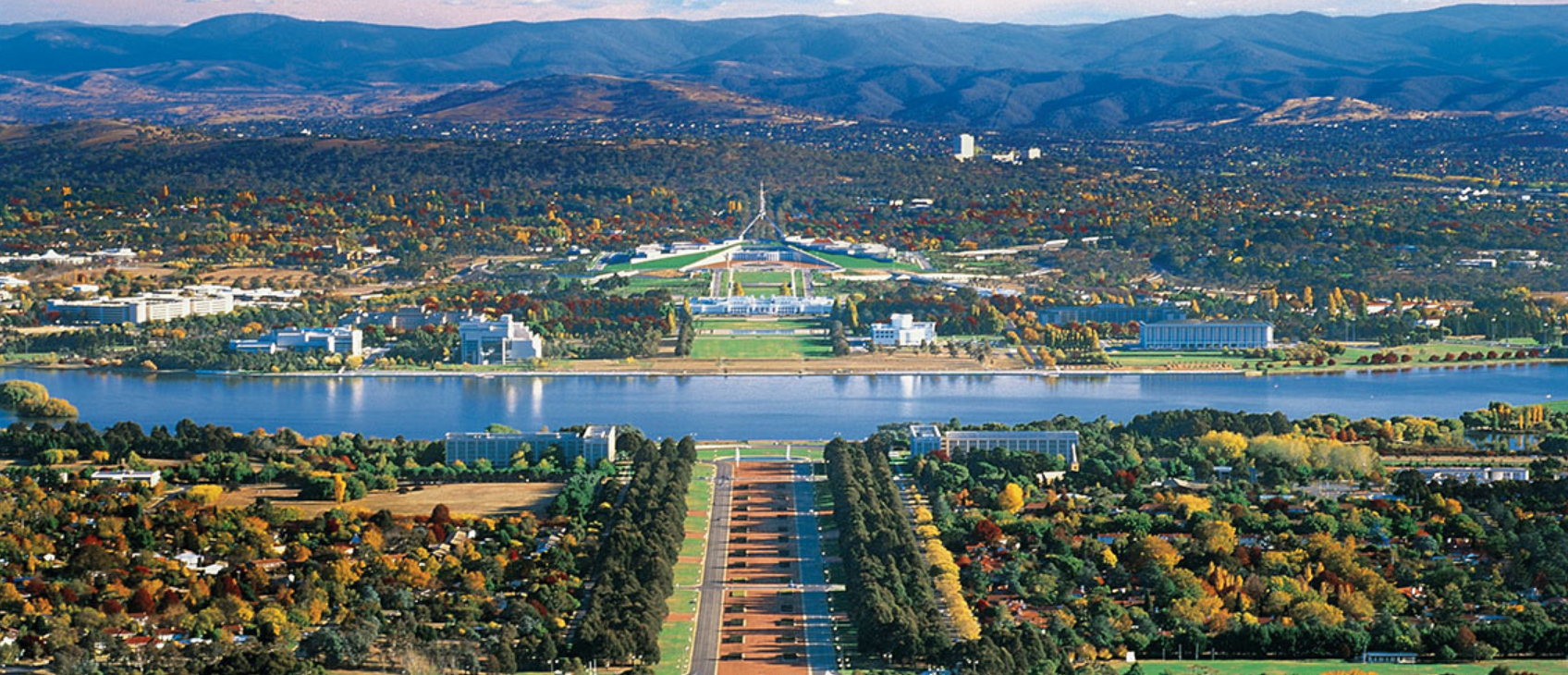
Program Status Update
The ACT Critical Skills List identifies the occupations in current demand in the ACT. This List is important if you want to apply for ACT nomination for either a:
The ACT Government will update this list every four months to make sure that the ACT Skilled Migration Program adapts and responds to the evolving critical skills needs of the ACT economy.
The Canberra Matrix is weighted to ensure that applicants who will make a positive economic contribution to the Territory and/or have demonstrated a genuine commitment to the ACT are more likely to be ranked and invited to apply for ACT nomination.
*ACT nomination does not guarantee a migration outcome. You must still meet the Department of Home Affairs criteria.
Every month, a certain number of nomination invitations are available (prorated on the annual allocation) to those working in the highest ranked Matrix in each occupation.
You can view the ACT’s most in-demand skills for skilled migration by consulting the ACT Nominated Migration Program Occupation List.
Before submitting an EOI for The Australian Capital Territory, applicants should check that they meet all eligibility requirements.
Once you’ve submitted a valid Department of Home Affairs Skill Select EOI, follow the ACT Government Process to apply for ACT nomination.
For a further explanation, see the Resources page on the ACT Government website.
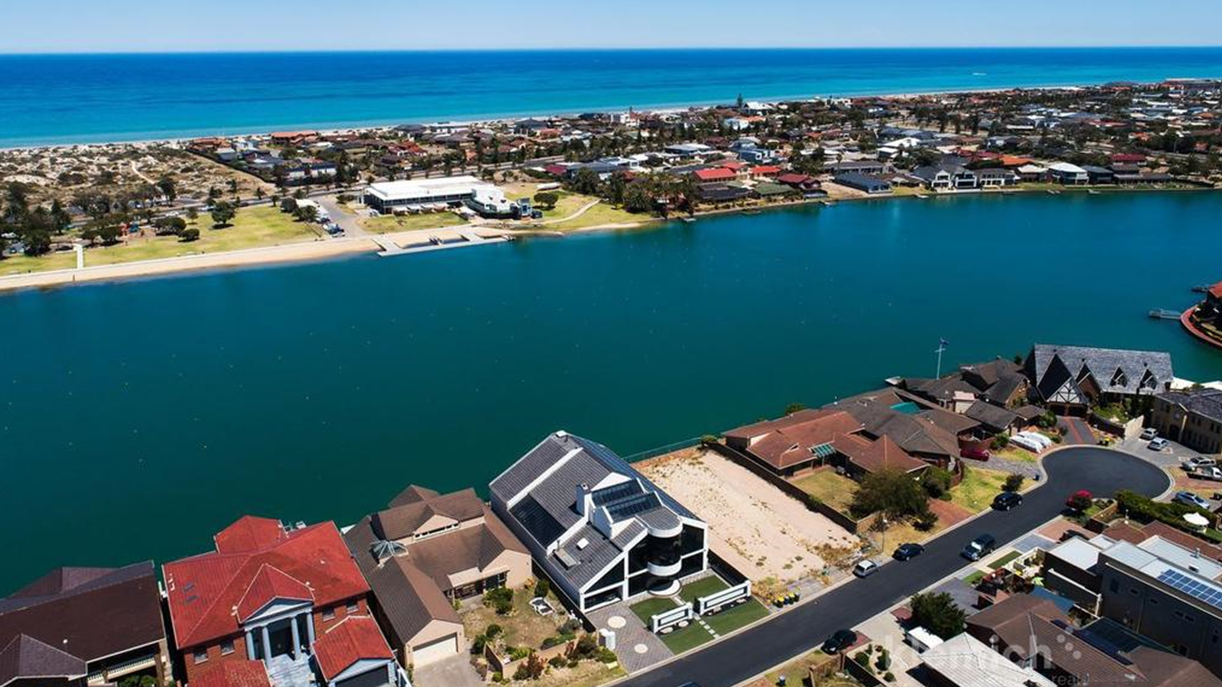
Program Status Update
Registrations of Interest have closed on 2 June 2026 for the 2025-26 program year.
Further information regarding the 2026-27 program will be published here when it becomes available.
Depending on your occupation and situation, there are two state nomination options available for skilled migrants through South Australia.
For South Australian state nomination, prospective applicants must meet the Department of Home Affairs requirements, state-specific occupation requirements and have skills in an occupation that is available on the South Australian Skilled Occupation List. Offshore applicants meeting the minimum published requirements can now lodge an Expression of Interest (EOI).
There is an enormous range of occupations on South Australia’s Skilled Migration Occupation List in a range of industries – search for your occupation here.
South Australia will select offshore applicants to apply for state nomination from those who have submitted an Expression of Interest (EOI) through SkillSelect. Offshore applicants will not need to lodge a Registration of Interest (ROI) for this year’s program. South Australia will be nominating offshore applicants from over 250 occupations on South Australia’s Skilled Migration Occupation List.
If you are currently residing offshore and seeking to move to South Australia, the first step is to create an Expression of Interest (EOI) in SkillSelect ensuring you select South Australia as your first preferred State or Territory.
The South Australian Government can then review your EOI for consideration under the Skilled Nominated (Permanent) visa (subclass 190) or Skilled Work Regional (Provisional) visa (Subclass 491).
For most occupations, applicants must have a minimum of three years of skilled employment in their nominated or related occupation within the last 5 years to secure an invitation to apply for SA nomination.
To be considered for South Australian nomination, you must:
For occupations in the construction trades (as listed here) applicants must have a minimum of one year of skilled employment in their nominated or related occupation within the last 3 years.
Applicants in the construction trades will be assessed on merit by the following factors:
*Work experience must be in a role deemed full-time, defined as 20 hours per week according to SkillSelect.
Before submitting an EOI for South Australia, applicants should check that they meet all eligibility requirements.
For a further explanation, see the Frequently Asked Questions page on the South Australia Government website.

Program Status Update
Registrations of Interest have closed 3 June 2026 for the 2025-26 program year
Registrations of Interest (ROIs) for all pathways and passes of the Tasmanian Skilled Migration State Nomination Program will close 5pm Wednesday, 3 June, 2026, following strong demand for nomination.
The last invitation round for the 2025-26 program year will take place on Thursday, 4 June, 2026.
Migration Tasmania will resume accepting ROIs from all eligible candidates when the 2026-27 program commences.
Further information regarding the 2026-27 program will be published on the Migration Tasmania website and in our bulletin when it becomes available.
Migration Tasmania will continue to assess applications for nomination and new applications will be able to be lodged. However, with few nomination places remaining, not all applicants will be nominated this program year.
Once all nomination places are used, any applications approved will be nominated after Tasmania receives its nomination allocation for the 2026-27 program year.
ROIs that are not invited to apply for nomination before the end of the program will continue to be held in the Application Gateway for six months and considered for an invitation to apply for nomination when the 2026-27 program opens.
Processing times and remaining nomination quota are updated every week on the Migration Tasmania website HERE
Working in Tasmania
The two state nomination options available for skilled migrants through Tasmania are:
The Tasmanian State Nomination Skilled Migration Program supports Tasmanian businesses and increases the state’s working age population. It does this by attracting and retaining migrants with skills genuinely in need by employers, or with the capacity to settle in Tasmania through skilled employment in the long-term, and business activities that will increase employment opportunities.
Tasmania’s skilled migration program is for people wanting to move to the state who have skills that Tasmania need. Skilled migrants are attracted to Tasmania because of the state’s enviable lifestyle, career opportunities, affordable housing, reputable schools and a globally recognised university.
The Migration Tasmania Application Gateway is now available for registrations of interest (ROI) and applications for skilled visa nomination from Tasmania.
Anyone seeking Tasmanian nomination for a Subclass 190 Skilled Nominated Visa or Subclass 491 Skilled Work Regional Visa must first register in the Migration Tasmania Application Gateway .
Before submitting an ROI for Tasmania, applicants should check that they meet all eligibility requirements for either;
For a further explanation, see the Frequently Asked Questions page on the Tasmania Government website.

Program Status Update
Subclass 491 visa applications are now closed to new applications for the 2025-2026 program year. NSW has reached it’s allocation for the Skilled Work Regional visa (subclass 491) under all Pathways.
Applications that have already been submitted will be finalised, and there is no need to take further action.
For a further explanation, view the following page on the NSW Government website.
The New South Wales government has invited applications from offshore migrants under the following nomination streams:
The NSW State Government announced that offshore applicants skilled in certain ANZSCO unit groups are eligible for NSW nomination.
*Please note: Invitation rounds occur frequently throughout the financial year with no set date.
NSW invites and nominates SkillSelect EOIs at the ANZSCO unit group level. To be eligible for NSW nomination (for either Subclass 190 or Subclass 491), your occupation must fall within an ANZSCO unit group identified on the NSW Skills List which reflects skills in high demand across the state, and be eligible for the visa.
Before submitting an EOI for New South Wales, applicants should check that they meet all eligibility requirements for either;
For a further explanation of how the skills list works, see the Common questions about skilled visas page on the NSW Government website.

Australia’s economic performance has rebounded strongly under Treasurer Jim Chalmers, with GDP growth, employment and wages all improving against global benchmarks.
The 2025 fourth quarter results confirm Australia’s economy is again among the world’s best, as Alan Austin reports.
THE DISMAL DAYS of Australia’s economic growth languishing at the bottom of the OECD tables are over. The Bureau of Statistics (ABS) recently reported quarterly growth in gross domestic product (GDP) at 0.8% and the annual growth at 2.6%, both excellent results given global conditions.
The average annual growth for all 38 advanced OECD members for the fourth quarter was 1.86%, with Australia ranked equal tenth in that group.
This is still well below first place during the Global Financial Crisis when Wayne Swan was Treasurer and, incidentally, current Treasurer Jim Chalmers was his principal adviser. But the economy is well on the way.
National accounts confirm sound policy
Most of last period’s quarterly numbers show the economy is improving in strength and resilience, is steadily becoming more equitable and if not in the global top five already, soon should be.
Australia has enjoyed 17 straight quarters of positive GDP growth, one of only four OECD members to do so. The others are Belgium, Costa Rica and Spain.
The quantum of national income paid to workers last year reached a record $1,393.1 billion, up 6.6% on 2024 and a healthy 23.6% higher than in 2022.
The share of total national income going to employees is now 53.9%, up from 49.0% in 2022.
Commensurately, the quantum of national income going to corporate profits was $699.0 billion, down from $723.3 billion in 2022. The share of national income going to profits was 27.1% last year, down from 33.1% in 2022.
Jobs and wages all buoyant
Australia’s workforce expanded by 191,300 to 15,312,600 in 2025. Total job numbers increased by 166,200 to 14,686,000, with the jobless rate at 4.09%. The number of months with the jobless below 4.5% has expanded to a record 50.
Australia’s OECD ranking on unemployment rose from ninth to eighth in 2025, having just snuck ahead of Iceland.
The youth jobless rate declined slightly from 9.06% to 8.98%. Job participation declined from 67.1% to 66.7% as more young workers stayed in school and older workers retired.
Poverty was further eased when the weekly minimum wage was lifted from $915.90 to $948.00.
Average wages grew 3.44%, compared with 3.22% in the previous year. Inflation was 3.76% through the year, slightly above wage rises. But over the last three years, wages have still advanced well ahead of prices.
Household gross disposable income surged to $1,771.6 billion in 2025, up 7.6% from $1,647.1 billion, validating the observations of the 2025 retail spending boom.
Total consumer spending in 2025 was $923.6 billion, with retail spending on goods at $485.8 billion, both all-time highs.
Total retail sales to GDP reached a record 17.7%, confirming the Coalition’s cost-of-living crisis is well behind us.
Real net disposable income per capita increased marginally to $77,510, a 0.17% lift over the previous year.
The rich are still doing nicely
This column has highlighted the Albanese Government’s priority on easing poverty and homelessness here, here, here and here. The latest data bolsters this. New private sector capital outlays on buildings grew 4.0% in 2025 to $190.3 billion. See chart below.
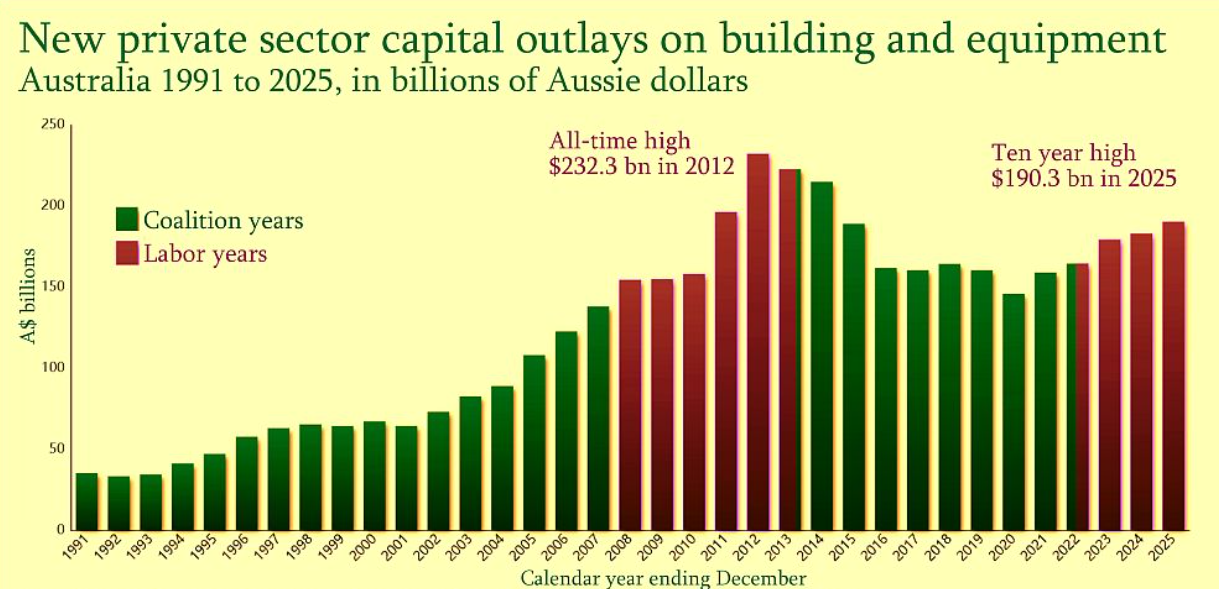
Poverty alleviation has not been at the expense of the rich unduly, despite the cut in national income going to corporate profits referenced above.
Analysis of all the data from the national accounts and last week’s ABS report on private businesses shows companies are still profitable, albeit in a tougher global environment.
Some corporate profits have been impacted by the severe drop in many commodity prices. Iron ore, for example, was trading above $185 a tonne in late 2023 and early 2024, and traded above $280 in 2021. It languished below $150 for most of 2025.
Hence, profits in the mining sector were lower than in recent years. This does not mean miners lost their jobs and investors went broke. It means that recent super-profits were simply adjusted to more normal levels.
Elsewhere, profits ranged from satisfactory to excellent. Gross operating profits in accommodation and food services jumped 10.3% to $6.78 billion; in wholesale and retail, up 7.5% to $68.9 billion; in transport, post and warehousing, up 9.8% to $36.1 billion; and in arts and recreation services, up 12.5% to $4.83 billion. Not bad.
Gross operating profits in mining fell 7.9%, but still remained a substantial $197.9 billion.
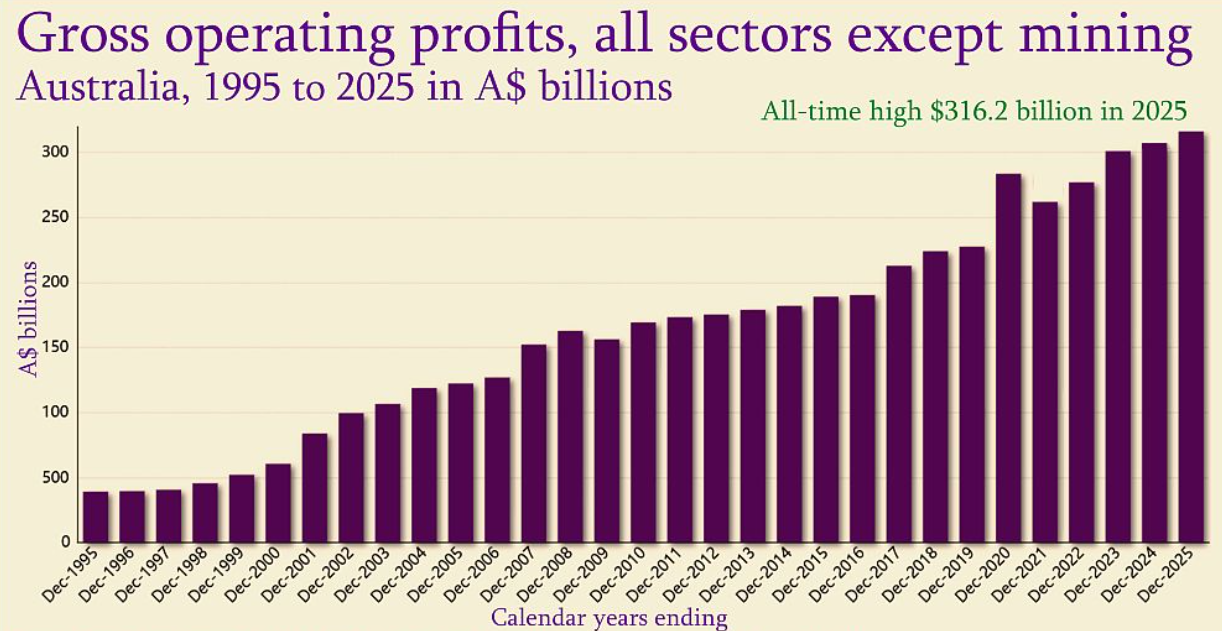
Total gross operating profits in all sectors declined 1.1% to $514.1 billion, while all sectors except mining rose 3.7% to a record $316.2 billion. See chart below.
Productivity humming along nicely
The official numbers in last week’s accounts show productivity static at 100.1 index points, well below levels in 2020 pre-COVID. We know, however, from wage rises, surging profits, the consumer spending boom and impressive GDP growth that real productivity must be increasing at a substantial rate.
These latest results thus bolster the arguments presented to Jim Chalmers’ productivity roundtable last August that the formula the ABS and others use to measure productivity is obsolete.
The upbeat bottom line
Australia now has the world’s only economy with its jobless rate and inflation both below 4.2%, and median wealth per adult above US$250,000 (AU$355,000).
It is also the only economy with triple-A credit ratings, interest rates below 4% and uninterrupted growth in gross domestic product (GDP) for the last four years.

Australia’s workforce shortages are often discussed as a local problem. Not enough workers. Too many vacancies. Too much pressure on employers. That is only part of the picture.
The latest International Labour Market Update from Jobs and Skills Australia shows a broader global trend. Labour markets are softening in many advanced economies.
Vacancy growth has eased in countries such as Canada, the United Kingdom and the United States. Unemployment remains relatively low across much of the OECD (The Organisation for Economic Development and Cooperation), but the pressure is shifting.
Australia sits in a different position.
The report shows indexed job vacancies declined in most selected economies through 2025 and into 2026. Australia was the exception.
The chart below: Indexed job vacancies for selected countries, March quarter 2016 to March quarter 2026.
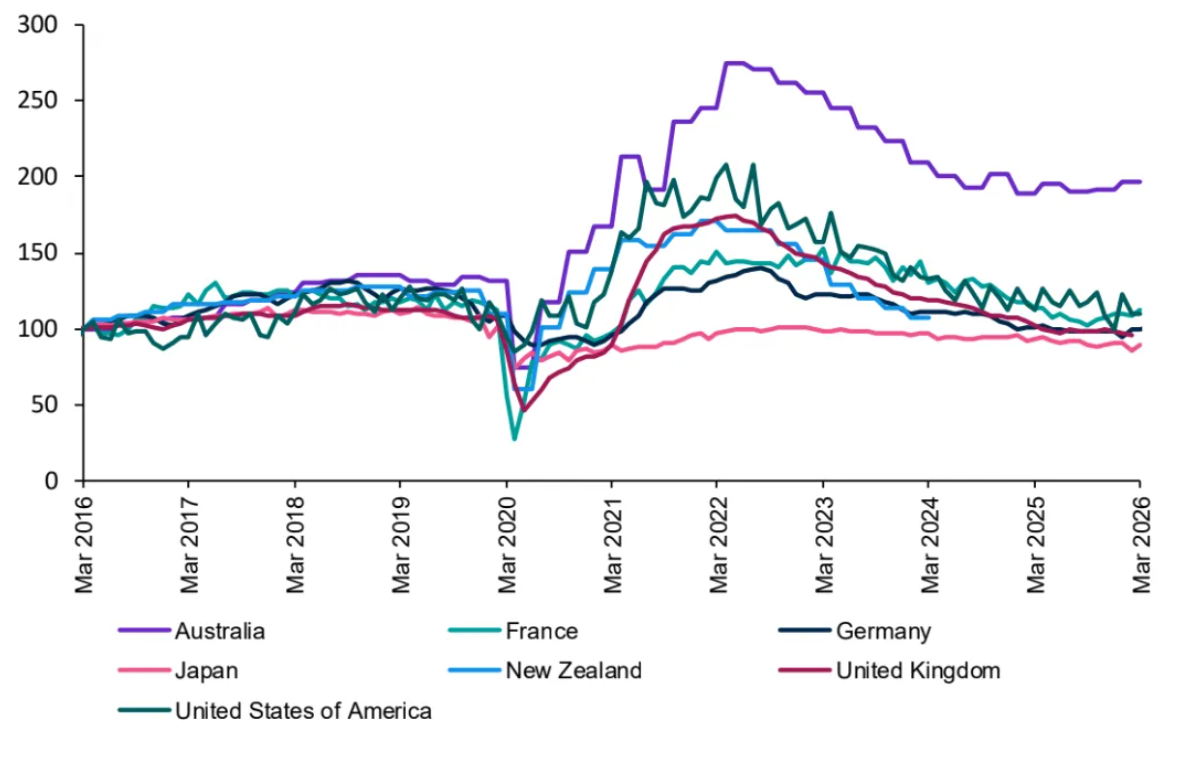
That tells us Australia is not simply dealing with a short-term hiring problem. It is dealing with a structural workforce problem. A cooling global market does not solve Australia’s skills shortage.
There is a risk in reading international labour market data too narrowly. If vacancies are falling overseas, employers might assume the pressure is easing everywhere. That would be the wrong conclusion for Australia.
Australian employers are still competing for skilled workers in sectors where local pipelines are thin, slow or misaligned with demand. Healthcare, aged care, construction, engineering, education, defence, technology and professional services are all still dealing with workforce planning pressure.
Some of these shortages are not new. They have been building for years.
Training more Australians is part of the answer, but it is not a quick answer. A nurse, engineer, teacher, software specialist or construction professional does not appear in the labour market overnight.
Employers need a workforce strategy that deals with the labour market they are in now, not the one they hope will exist in the coming years.
Migration is part of workforce planning
Skilled migration is often treated as a backup option. Employers try local recruitment first, wait until the role becomes urgent, then look at sponsorship. That approach creates unnecessary pressure.
Visa strategy should sit inside workforce planning from the start. If a business knows it will need certain skills over the next 6 to 12 months, it should already be asking:
The businesses that handle migration well are usually the ones that plan early. They know where their workforce pressure points are. They understand which roles need sponsorship. They track visa dates properly. They do not leave immigration decisions until recruitment has already failed.
Australia’s productivity problem is also a workforce problem
The chart below: Productivity growth for selected countries (yearly change in output per worker),
March quarter 2023 to March quarter 2026.
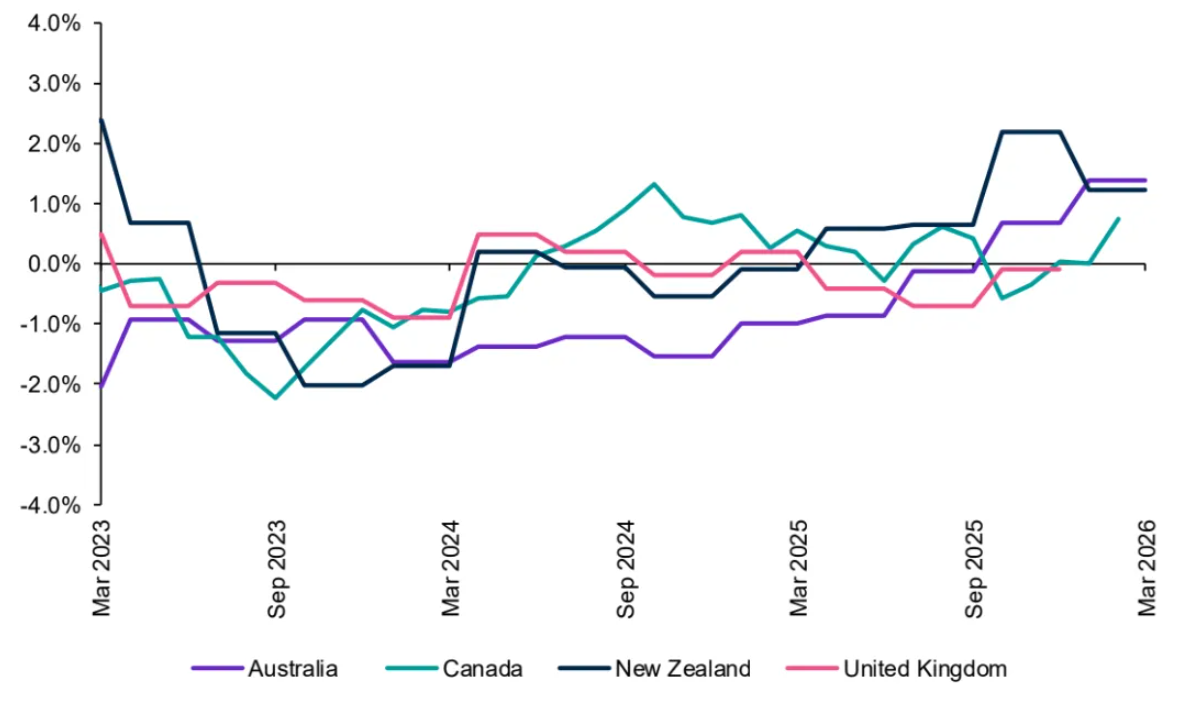
Australia recorded positive productivity growth in the report, but productivity is still a major policy and business concern. Productivity is often discussed as if it sits separately from migration. It does not.
A business cannot lift productivity if it cannot get the people it needs. It cannot improve systems if key roles remain vacant. It cannot scale if workforce gaps keep pulling managers back into crisis hiring. Migration does not replace productivity reform. It supports it.
The best employers use migration to support long-term capability. They bring in skills they cannot source locally. They retain workers already trained in their systems. They build permanent pathways where the business need is genuine. They keep compliance under control so workforce mobility does not become a governance problem.
That is a more mature way to look at skilled migration.
Not as a paperwork exercise. Not as a last-minute recruitment fix. As part of the business’s operating model.

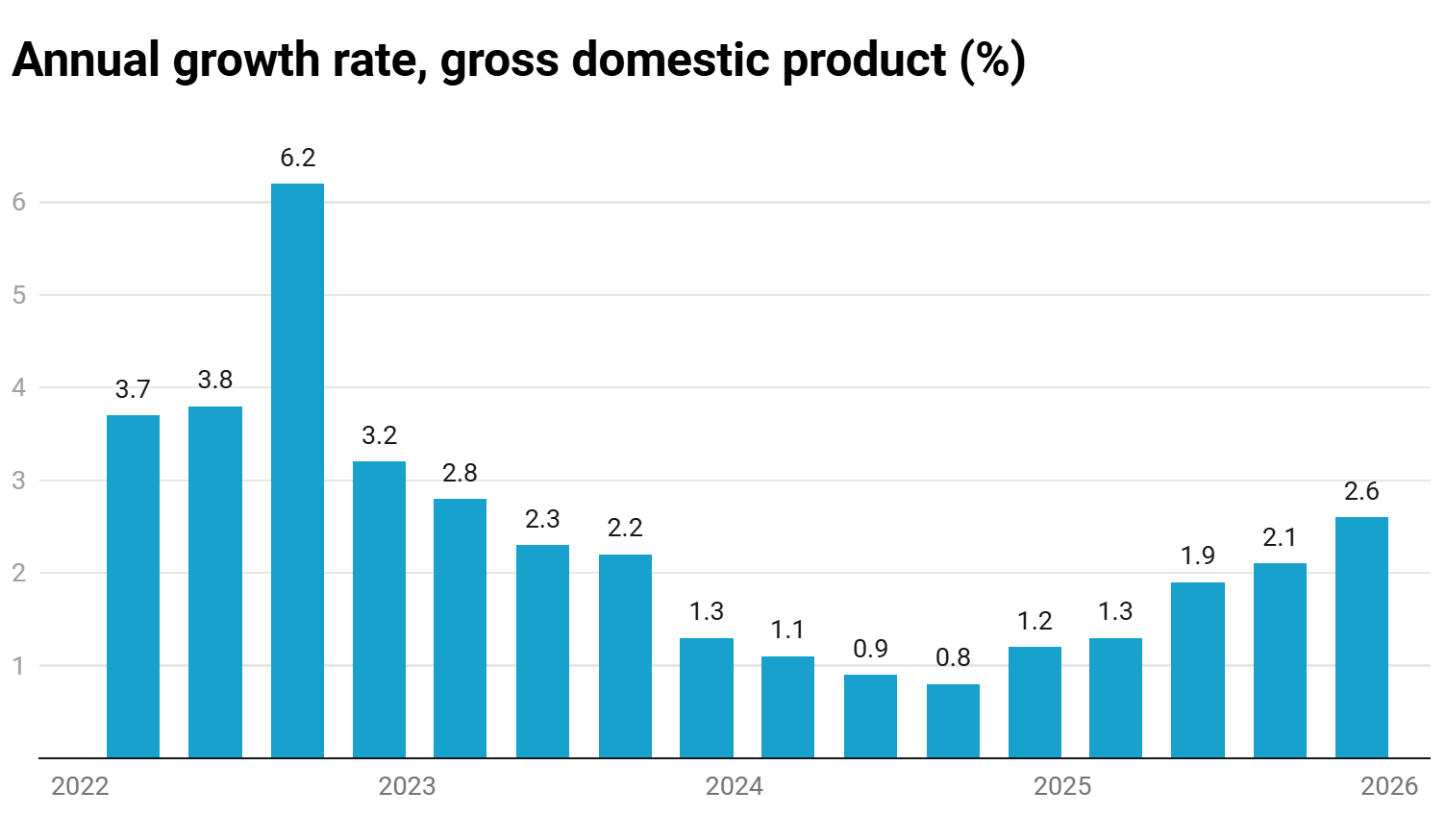
Australia’s economy is growing at an annual rate of 2.6 per cent, which is much stronger than expected. Economists say the rate is faster than the economy can handle without overheating and pushing inflation higher.
Australia’s economy was growing at an annual rate of 2.6 per cent in the December quarter, up from 2.1 per cent in the previous quarter.
It is the fastest rate of growth in almost three years, and much stronger than expected.
On a quarterly basis, the economy grew by 0.8 per cent in the December quarter, which was stronger than the 0.5 per cent recorded in the September quarter.
In the RBA’s most recent forecasts released in February, the RBA said it was expecting the economy to be growing at an annual pace of 2.3 per cent by the end of last year, not 2.6 per cent.
The strong growth in economic activity coincided with inflation rising by more than anticipated towards the end of 2025.
It helps explain why the RBA was forced to raise interest rates in February to try to dampen economic activity and bring inflation back down.
Higher profits, increased investment spending, higher savings
Bureau of Statistics (ABS) data show growth was broad-based in the December quarter, with increases in economic activity observed in a large majority (17 out of 19) of industries.
The increased activity drove stronger profits.
Profits for all corporations increased 2.2 per cent in the December quarter, the highest quarterly increase since March quarter 2023.
Higher mining activity, matched with higher export prices for iron ore and thermal coal, drove a rise in mining profits, which increased 5.7 per cent in the quarter.
But profits from liquefied natural gas (LNG) fell, with prices falling due to a global over-supply of gas and weak demand.
Private investment increased for the fifth consecutive quarter.
“Investment in data centres and aircraft was maintained at high levels,” Grace Kim, ABS head of National Accounts, said.
Commonwealth government investment grew 3.3 per cent, driven by higher investment in a range of defence assets, while state and local government investment grew 1.4 per cent, driven by transport infrastructure.
The household saving-to-income ratio increased to 6.9 per cent, up from 6.1 per cent in the September quarter.
That saving ratio is now at its highest level since the September quarter in 2022.
A Brisbane mortgage broker has opened up about how she landed her six-figure salary

A Brisbane worker has shared how she is earning more than $300,000 a year after changing careers. The woman said she didn’t start the job until she was 35 years old and didn’t need to go to university to get into the role.
The woman was stopped in the street and revealed she was earning a great salary as a mortgage broker running her own business. She said her income was made of commissions and an ongoing trail income, which is paid over the life of a loan.
“We’ve also got trail income that we build up over time. Month to month, it’s whatever we settle each month on top of that,” she said.
The woman said she had been in the job for 10 years, having previously worked in the health and fitness industry.
She said the job could involve a “huge workload” and joked that was why she needed to go to the gym to “balance out stress and work”.
“I did a diploma in financial markets and mortgage broking. Initially, you’re dealing with probably more first-home buyers than anything else,” she said.
“As you move your way through the career, you are dealing with more investors, people wanting to upgrade.”
According to SEEK, mortgage brokers earn between $80,000 and $100,000 a year on average in Australia.
The woman said many people started out working for someone else, which often meant lower wages compared to working for yourself.
“I think a lot of people start out working for someone because you need a mentor for two years in my industry,” she said.
“Then I think they start realising they can get the referrals on their own and then make more of a cut.”
Lending industry on the rise
Lending managers, which are similar to mortgage brokers but are employed by one bank or institution, were recently named the top job on the rise by SEEK.
The job comes with an average salary of $133,903 and has reported a 163.30 per cent jump in advertisements on the platform.
“Even though prices have started to come down, there are obvious reasons for households to be speaking to lending managers more and more as they look to sort out their finance loans that have gone off from fixed rates to variable rates,” SEEK senior economist Blair Chapman said.
Other in-demand jobs included certifiers earning an average of $114,317 a year, which has seen a 73.3 per cent increase in job ads, and building supervisors on $106,804 per year, which has seen a 72.4 per cent increase.
Discover sun, surf, and electric-blue waters in Bermagui, a seaside town with alluring coastal views, local markets, lookouts, and a range of outdoor activities.
The NSW South Coast has long endeared itself to nature lovers and adventure seekers. From the clear waters and white sand beaches of Jervis Bay to the unspoiled landscapes of Eden, the region offers endless fun to all types of travellers and it’s residents.
Yet there are still plenty of hidden gems that remain overlooked. One less touristed destination is the quiet coastal town of Bermagui, which remains something of a well-kept secret, despite being tailor-made for summer. It’s a 5 hour drive from Sydney and those who make the trip will be welcomed with golden beaches, some of the state’s best rock pools, access to year-round outdoor exploration, and a pleasant laidback vibe. Make the most of the sun-soaked summer days with our guide to Bermagui.
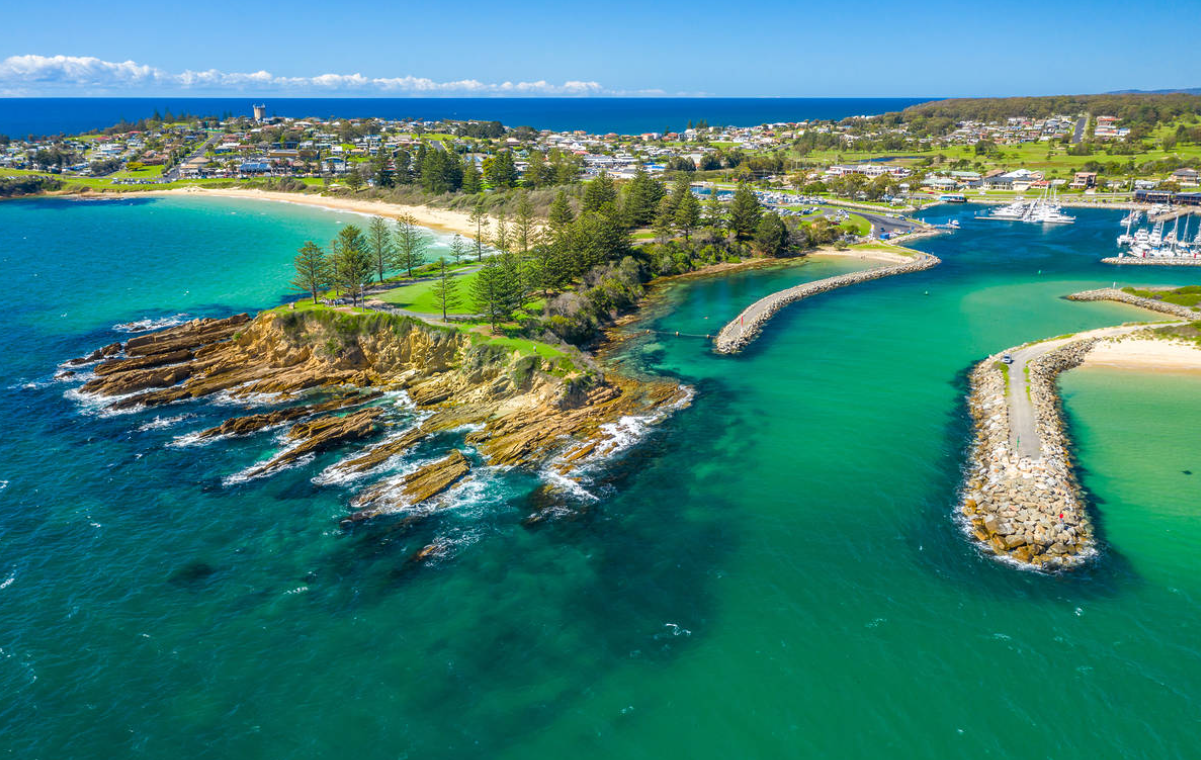
The more obscure or little-known something is, the cooler it becomes, which is certainly true for some of NSW’s best underrated coastal towns. Cushioned along a beautiful harbour and on the edge of Wallaga Lake, Bermagui is located beneath the towering Gulaga (Mt Dromedary), an ancient volcano that last erupted 60 million years ago. What it lacks in five-star luxuries, it makes up for with incredible natural beauty and plenty of adventure. Read on for some of the best things to see, eat, and do in Bermagui.
1. Visit the charming beaches

Some of the most beautiful parts of Bermagui are best accessed from the water. Horseshoe Bay Beach is a fantastic spot for families, conveniently located in the heart of Bermagui with sweeping views of Gulaga in the distance. Surfers can make their way to Bearers Beach, a photogenic spot with excellent waves and refreshing blue waters. The southern end of the beach is also dog-friendly. Haywards Beach is another frequented surfing spot with great surf and coastal walks. Looking for some extra peace and quiet? The Bermagui River will give you just that and access to fishing, boating, and kayaking.
2. Check out the incredible natural wonders

Bermagui is best known for its two stunning natural wonders — Camel Rock and Horse Head Rock. Shaped distinctly like a camel, Camel Rock is an ancient rock formation, made up of folded 470 million-year-old turbidite beds, formed by ancient underwater avalanches. It boasts a dedicated viewing platform and picnic area, offering panoramic ocean views. Equally stunning is the photographer-favourite Horse Head Rock, a 500 million-year-old rock formation that resembles a pony’s head.
3. Eat at the local cafes and restaurants
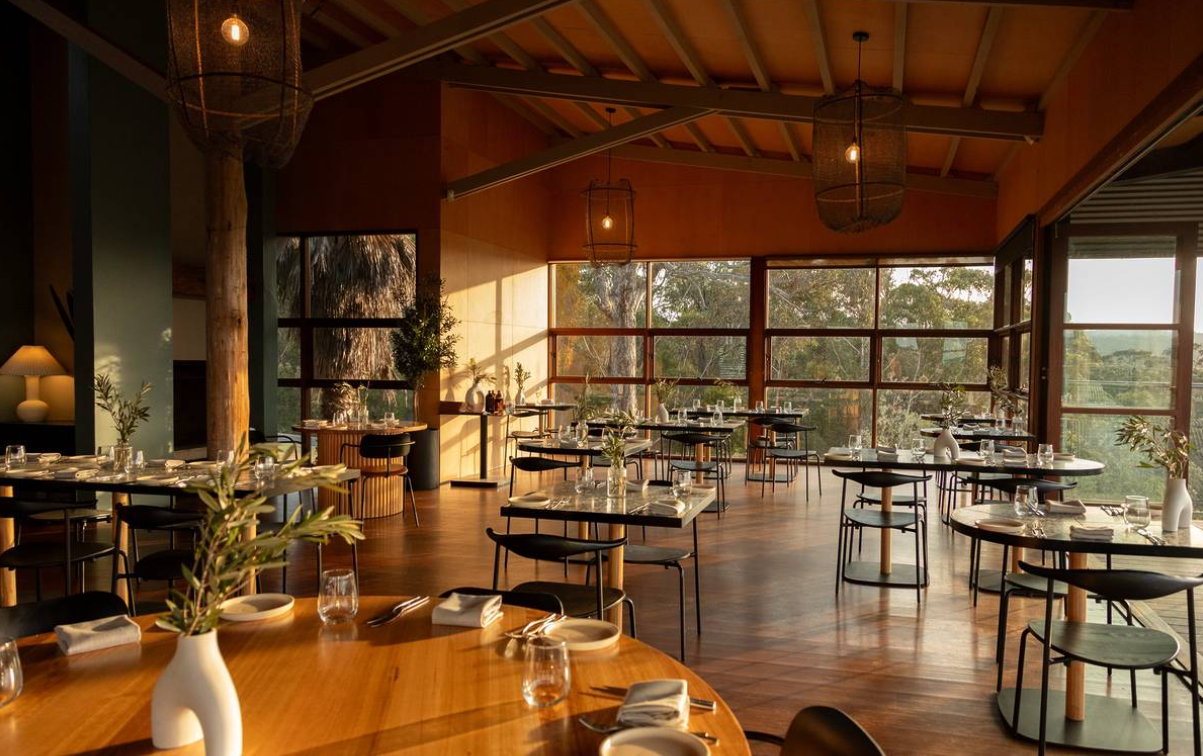
The Sapphire Coast is an under-the-radar foodie destination but well worth exploring. Bermagui’s main street is lined with bars, cafes, and restaurants with a prime view of the picturesque Horseshoe Bay. The Bermagui Beach Hotel is a popular local spot dishing out classic pub food, live music, and a relaxed atmosphere. Other popular local favourites include Bermi’s Beachside Cafe for breakfast, coffee, and good views, Eurolicious for wholesome food and a European vibe, and Sundeck in the Fishermen’s Wharf Complex for a stacked menu and views of the Bermagui harbour. For a more elegant experience, check out Mimosa Wines Restaurant serving locally sourced food and fine wine.
4. Swim in the famous Blue Pool

Nestled among rugged cliffs and serene coastal scenery, Bermagui’s iconic rockpool is one of the most famous natural swimming spots in NSW and a must-do in town. The gem-hued Blue Pool perfectly mirrors the surrounding ocean waters and the clear blue skies above — sometimes a striking azure, other times a soft yellow, and even a delicate pink at sunset. While not exactly a hidden gem, it’s widely regarded as one of the best ocean pools in Australia so make sure to stop by and find out what all the fuss is about.
5. Shop at the local markets and boutiques

Bermagui boasts its fair share of local trinket shops, vintage stores, boutiques, and markets if you enjoy a stroll around town and collecting kitschy souvenirs. The Bermagui Makers And Growers Market is held every Thursday at the Bermagui Country Club and offers farm fresh produce, hot meals, baked goods, accessories and more. Head to Bermagui Mudworks Pottery and Cafe for a cup of excellent coffee and enjoy the local works of art at the gallery. Local boutiques to visit include By The Sea Shore for homewares and furnishings, Bermagui Surf Shop for all your surfing needs, and Nested on Wallaga for gifts and homewares.
6. Go on a coastal walk
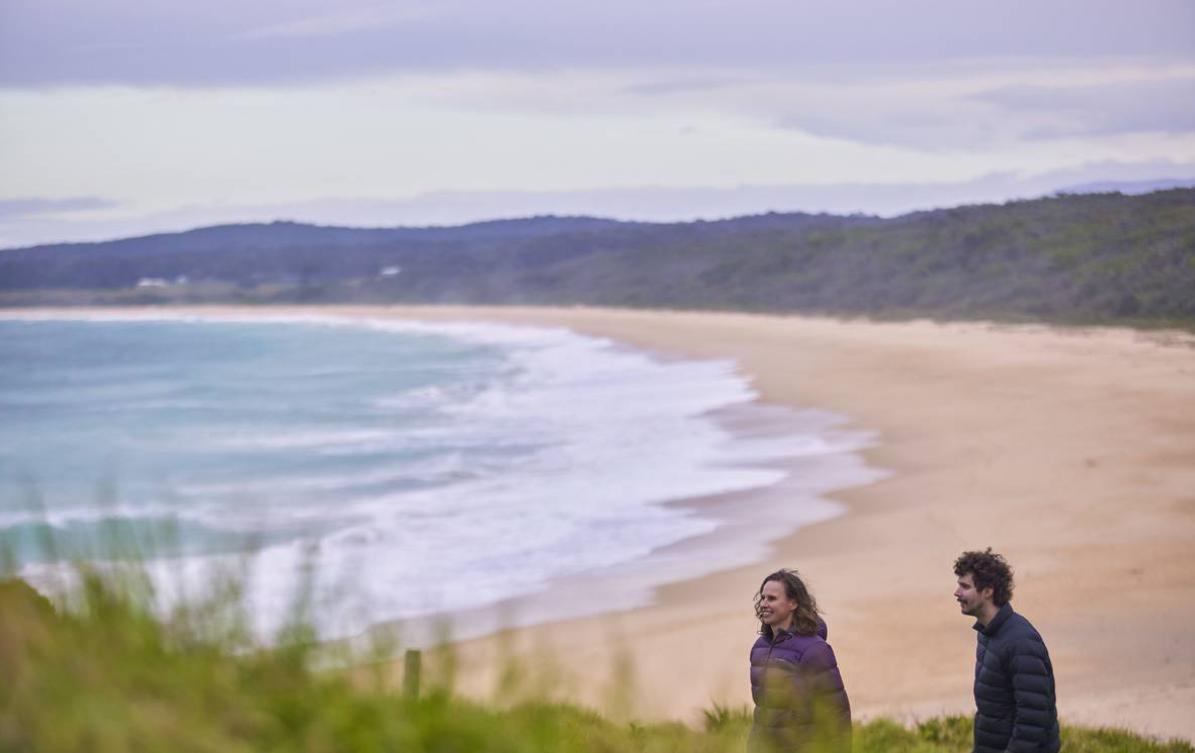
It’s hard to resist the call of outdoor adventure in a place that’s made for Instagram. Start your day early with the Bermagui Coastal Walk and enjoy 18km of wildly beautiful coastal landscapes. Stretching from Cuttagee Beach in the south to Wallaga Lake in the north, the walk meanders past magnificent coastline, lookouts, and cosy eateries if you want to stop for a while and recharge. For something short but not lacking in impact, stroll the 1.5km Camel Rock to Murunna Point Walking Track that extends from Camel Rock Surf Beach to Murunna Point. For something a bit more challenging, tackle the 2-day Mystery Bay to Bermagui Walk which offers wild vistas and secluded beaches.
 Moving to Australia as an international student is a big step, and for many, it’s not something they want to do alone. So, can you bring your family along on your student visa?
The answer is yes, but how you do it — and who you can bring — depends on your situation, your visa, and your long-term plans.
Here’s what international students need to know about bringing family to Australia.
Can You Bring Family on a Student Visa?
If you hold a Student visa (subclass 500), you may be able to include certain family members as dependents on your application, but you can’t add them later.
If you wish to include a family member who was not declared in your original application, you will generally need to lodge a brand new Student visa (subclass 500) to include them. This does not apply if the relationship began after your visa was granted.
These family members can travel to Australia with you or join you after your studies have begun. They will be granted visas linked to your Student visa and must meet health, character, and financial requirements.
However, it’s important to plan this carefully. Adding family members can increase financial requirements and impact processing, so it’s something that should be considered early in your application strategy.
What About Bringing Children?
Children can be included as dependents on a Student visa, but there are additional considerations.
You’ll need to demonstrate that you can financially support them, including schooling costs if they are of school age. Public schooling is not always free for dependents of international students, and fees can vary depending on the state or territory.
You’ll also need to show appropriate health insurance coverage for all family members.
Bringing a Partner to Australia
If you include your partner on your Student visa, they may have work rights in Australia. In many cases, partners can work up to 48 hours per fortnight, though this can vary depending on your level of study.
For example, if you are studying for a postgraduate degree, your partner may have unrestricted work rights, which can be a significant advantage when planning your move.
What If Your Child Is Under 18?
If your child is under 18 and coming to Australia to study, there are strict welfare requirements in place.
In some cases, a parent or eligible relative may need to apply for a Student Guardian visa (subclass 590) to accompany and care for the student.
What Is the Student Guardian Visa (Subclass 590)?
The Student Guardian visa is designed for a parent, custodian, or eligible relative to come to Australia to provide care and support to an international student under 18.
To be eligible, the guardian must be:
They must also demonstrate that they can provide appropriate accommodation, welfare, and financial support during their stay in Australia.
It’s important to understand that Student Guardian visa holders cannot work in Australia, so financial planning is essential before applying.
Can Guardians Bring Other Children?
This is where things can get more complex.
If a Student Guardian has other children under 18 who are not travelling with them, they must show that proper care arrangements are in place for those children.
If they wish to bring children to Australia:
Children under 6 are generally not eligible to accompany a Student Guardian (unless exceptional circumstances apply)
Children over 6 must apply for and hold their own Student visa
These rules can make it more complicated for families with multiple children, so it’s important to plan ahead.
What Happens After You Graduate?
If your long-term goal is to stay in Australia, your family’s visa options don’t end with the Student visa.
After completing your studies, you may be eligible for the Temporary Graduate visa (subclass 485), which allows you to stay and work in Australia. You can usually include your existing dependents on this visa as well.
This can provide valuable time to gain work experience and explore pathways to permanent residency for both you and your family.
Why Planning Ahead Matters
Bringing your family to Australia is absolutely possible, but it requires careful planning.
Your visa strategy should consider:
Making the wrong move early on — such as not including family members at the right time — can make things more complicated later.
What you need to know before working part time as an international student in Australia

Working part-time while you complete your course is a great way to earn extra money, meet new people and build your experience ahead of graduation.
However, before you start searching for student jobs in Australia, there are a few things you need to know.
Working on a student visa
If you hold a Student (subclass 500) visa, you are permitted to work up to 48 hours per fortnight during the semester and unlimited hours during term breaks and holidays. This ensures that you can focus on your learning while gaining valuable work experience.
However, it is important that working part time does not interfere with your studies. While employed, you must remain enrolled in your course, meet all attendance requirements and maintain satisfactory academic results.
Opening a bank account
To be paid while working in Australia, you will need to open a bank account. You can open a bank account online before arriving in Australia or when you get here.
Tax File Number
You will need to have a Tax File Number (TFN) to work while you are here. Once you have arrived, you can apply for a TFN through the Australian Taxation Office.
Police and Working with Children checks
For some jobs, you may be asked to provide a police check. This is a summary of your criminal history or involvement with the justice system. You can request a police check online via the Australian Federal Police (AFP).
In jobs where you are in contact with children, such as education or childcare, you must submit a Working with Children Check. This may be required for paid employment, volunteering and internships. You can apply through the state government website.
Australian Business Number
Most students will not need an Australian Business Number (ABN) to work in Australia. You are only required to have an ABN if you run your own business or are an independent contractor (e.g. a freelancer, rideshare driver or food courier).
What kind of jobs can international students get?
The best jobs for students are part-time or casual roles. Retail, hospitality and customer service roles are particularly popular, as they usually offer flexible hours to suit your schedule.
In a part-time job, your employer will give you a set number of hours per week, although your shifts can vary. Part-time workers are entitled to paid annual leave and sick leave.
In addition to paid employment, you may have the opportunity to undertake an internship or work integrated learning (WIL) during your studies. These are unpaid positions that allow you to learn practical skills and gain hands-on experience before graduation. You can seek out these opportunities yourself, or you may be placed in one as part of your course. It’s important to note that you are entitled to the same workplace rights and protections in unpaid positions like these as you are in paid roles. If you are working part-time in addition to WIL, it’s crucial to be mindful about balancing these priorities.
You can seek out these opportunities yourself, or you may be placed in one as part of your course.