 EXCLUSIVE MEMBERS ONLY ACCESS
To access this month’s edition & Member’s only resources, enter your registered email address.



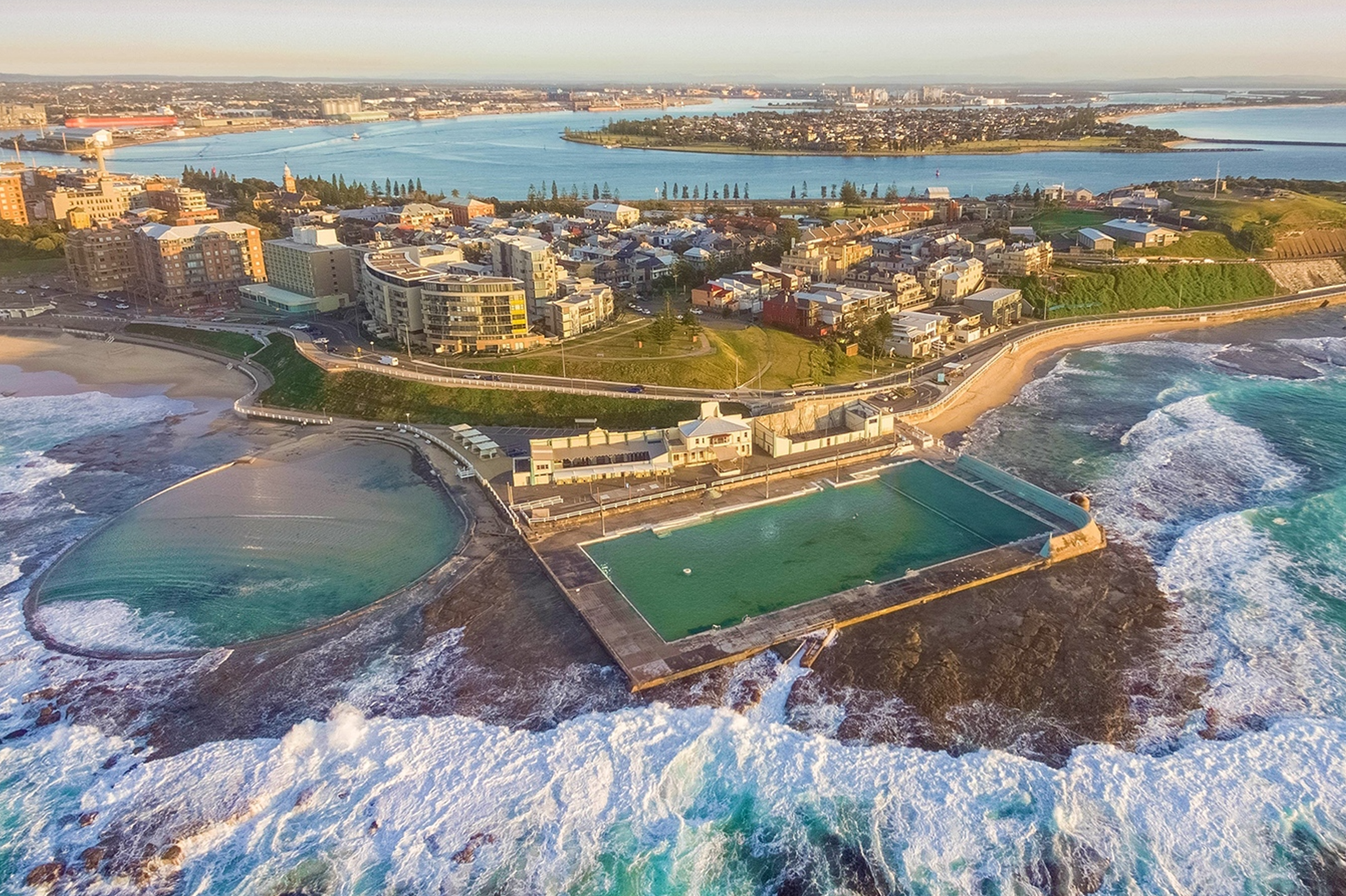
Newcastle, New South Wales
The Results of the August 2021 census were made public on 12th July 2022, and revealed that Australia has become a majority migrant nation, as the census data shows for the first time that more than 50 per cent of residents were born overseas or have an immigrant parent.
Australia’s 2026 Migration Program has been carefully designed to boost the social and economic outcomes that meet Australia’s needs. In fact, the migration programme was first launched in 1945 following the aftermath of World War 2. Given this long history, it is worth understanding how it works. The Australian Immigration Bulletin exists to help explain this in more detail
As we’ve entered the 9th month of the year, join us for a look at the latest news and developments in the world of Australian Immigration!


Australia’s 2026–2027 Permanent Migration Program Planning Levels:
For 2026–2027, the Department of Home Affairs confirms the program remains at 185,000 places, with 132,240 places for the Skilled Migration Program, 52,460 places for the Australian Family Program, and 300 places for Special Eligibility.
Overview of the 2026–27 Migration Program
For the 2026–2027 financial year, the program is structured as follows:
There remains a clear policy priority towards skilled migration, with an approximate 70:30 split between Skilled and Family streams.
Skilled visa processing priorities update
The below changes affect processing order only, not the likelihood of approval.
Skilled nomination and visa applications will be processed in the following order of priority:
The current program continues to accept applications from offshore, and it remains free to submit your EOI application.
The Federal Government has recently increased the amount of subclass 189 places. However, the 189 visa is still competitive. You generally need:
 Migration levels have dipped to the lowest levels since mid-2022, with 301,000 new arrivals to Australia in the past year.
Australian Bureau of Statistics population data recently released shows net overseas migration was down 29,500 people on the previous year; however, the decreased levels are still above the pre-pandemic average of about 230,000 arrivals each year.
The overall population grew by 412,500 people, or 1.5 per cent, the latest data shows.
The ABS figures show international student net migration was down 10 per cent over the year to reach pre-COVID levels, Burke said in a statement.
KPMG senior economist Terry Rawnsley said the strength of the economies in Western Australia and Queensland meant those states had the largest increases in net migration due to a need to tap into overseas workers to fill jobs.
“The nation looks to have settled into a new normal level of net overseas migration of around 300,000 people per year, which is about 25 per cent higher than pre-COVID levels of around 250,000 per year,” Rawnsley said.
“The new baseline is being driven by Queensland and Western Australia. Queensland is bringing in 75 per cent more people from overseas than before COVID, while on the west coast there has been a 250 per cent increase above pre-COVID levels.”
Rawnsley said NSW and Victoria “look to have settled back to around their pre-COVID levels of net overseas migration”.
The numbers in NSW were 90,961 and 85,044 in Victoria, up 1.2 and 1.7 per cent respectively.
“The federal budget assumes net overseas migration of 295,000 in 2025–26. At the halfway point of the financial year, arrivals total 145,000, suggesting migration is broadly on track to come close to that budget assumption,” Rawnsley said.
The bureau’s head of demography, Beidar Cho, said Australia’s population grew to 27.8 million, with 412,500 more people than in December 2024.
“This was made up by natural increase, which is the number of births minus those who died, and overseas migration,” Cho said.
Natural increase added 111,500 people, while net overseas migration added 301,000 people over the 12 months to December 2025.
Western Australia had the fastest-growing population, with an annual rise of 2.2 per cent, while Tasmania had the slowest growth over the 12-month period, with a 0.5 per cent rise in population.
According to last month’s budget papers, the government’s net overseas migration estimates for this financial year rose to 295,000 from the previous expectation of 260,000.
Migration is expected to fall in coming years, but next year’s figures remain 20,000 migrants higher than previously forecast.

Melbourne has been growing faster than any other part of Australia on the back of unprecedented overseas migration in the immediate years following the covid-19 pandemic.
Australian Bureau of Statistics (ABS) data on net migration flows in the first three full financial years under the Albanese government (between the 2023 and 2025 financial years) reveals the following:
Net overseas migration to Melbourne has been four times the size of its natural increase in the three financial years immediately after the pandemic.
 If you are interested in applying for a general skilled migration visa to Australia, it is important to have a good understanding of the skilled visa options and how the migration points test works, so that you can maximise your chances of being eligible to apply for a skilled visa.
The General Skilled Migration Program
A general skilled migration visa is an option available to skilled workers who are seeking to qualify for a skilled visa independently, or under a state or family sponsorship. It is an alternative to an employer sponsored visa.
One of the key criteria to qualify for a general skilled migration visa is the points test (a criterion that does not apply to employer sponsored visas). This is often the most challenging aspect for prospective skilled visa applicants to overcome when seeking an invitation to apply for the relevant skilled visa.
If you are considering applying for a general skilled migration program visa, an important concept to understand is the Expression Of Interest (EOI).
What Is An Expression Of Interest (EOI)?
If you are considering applying for a general skilled migration visa, it is important to be aware that for certain visas in this visa class, you will first be required to lodge an EOI with the Department of Home Affairs (the Department) through SkillSelect. The EOI is not a visa application, but rather, it is the process by which you can express your interest in applying for the relevant skilled visa (It’s important to note, that there is NO fee to submit an EOI).
This requirement applies to the following skilled visa subclasses:
Let’s take a brief look at each of these visas below:
The ‘subclass 189’ is a federal sponsored visa that grants automatic permanent residence in Australia. It is subject to nil visa conditions or obligations. For this reason, it is often considered to be the most flexible of the skilled visa options available.
A subclass 189 points-based visa allows you to live and work in any state or territory permanently.
The ‘subclass 190’ is a state/ territory sponsored permanent residence visa. It is another points-based visa for which invitations are issued throughout each month by individual states and territories. One of the benefits of applying for state nomination is that you will be granted an additional 5 points.
An important aspect to consider, which does not apply to the subclass 189 visa is that there is an added step in the application process. In this case, you must also apply for nomination approval to a state or territory government. Only upon receipt of an invitation from the relevant state or territory to which you apply can you then apply to the Department for the visa itself.
Your obligations as a subclass 190 visa holder are that you must commit to your nominating jurisdiction’s obligations and commit to residing in your nominating State or Territory for two years from visa grant.
The ‘subclass 491’ is also a points-based state/ territory (or family) sponsored visa. It is a regional visa with a term of five years. The Department issues invitations for family sponsored EOI applications only (in invitation rounds). Invitations for state sponsorship are issued by individual states and territories throughout each month. This will grant you an additional 15 points for the nomination.
Being a provisional visa, this means it provides a pathway to permanent residence in Australia with the Subclass 191 Permanent Residence (Skilled Regional) visa, subject to meeting specified requirements.
Be mindful that as a subclass 491 visa holder, you must abide by visa condition 8579, which requires you to live, work and study in a designated regional area of Australia. For migration purposes, most locations of Australia outside of major cities (Sydney, Melbourne, Brisbane, Perth, etc.) are classed as regional areas.
How Can You Receive An Invitation To Apply For A Skilled Visa?
If your EOI is successful, you will receive an invitation to apply for the visa, as specified in the invitation letter. This then enables you to proceed with lodgement of your visa application (provided you meet all other visa lodgement and visa grant requirements).
Please note, the below State and Territory program updates is a general overview only. It does not take into account any of your personal circumstances. You must check the State/Territory information carefully to ensure you can meet all the requirements for nomination.
Australia is currently facing a shortage of skilled migrants to fill workforce demands. In response, states and territories have been easing the conditions of their visa programs to help attract skilled workers from overseas.
Below is the monthly update for some of the State and Territory opportunities available.
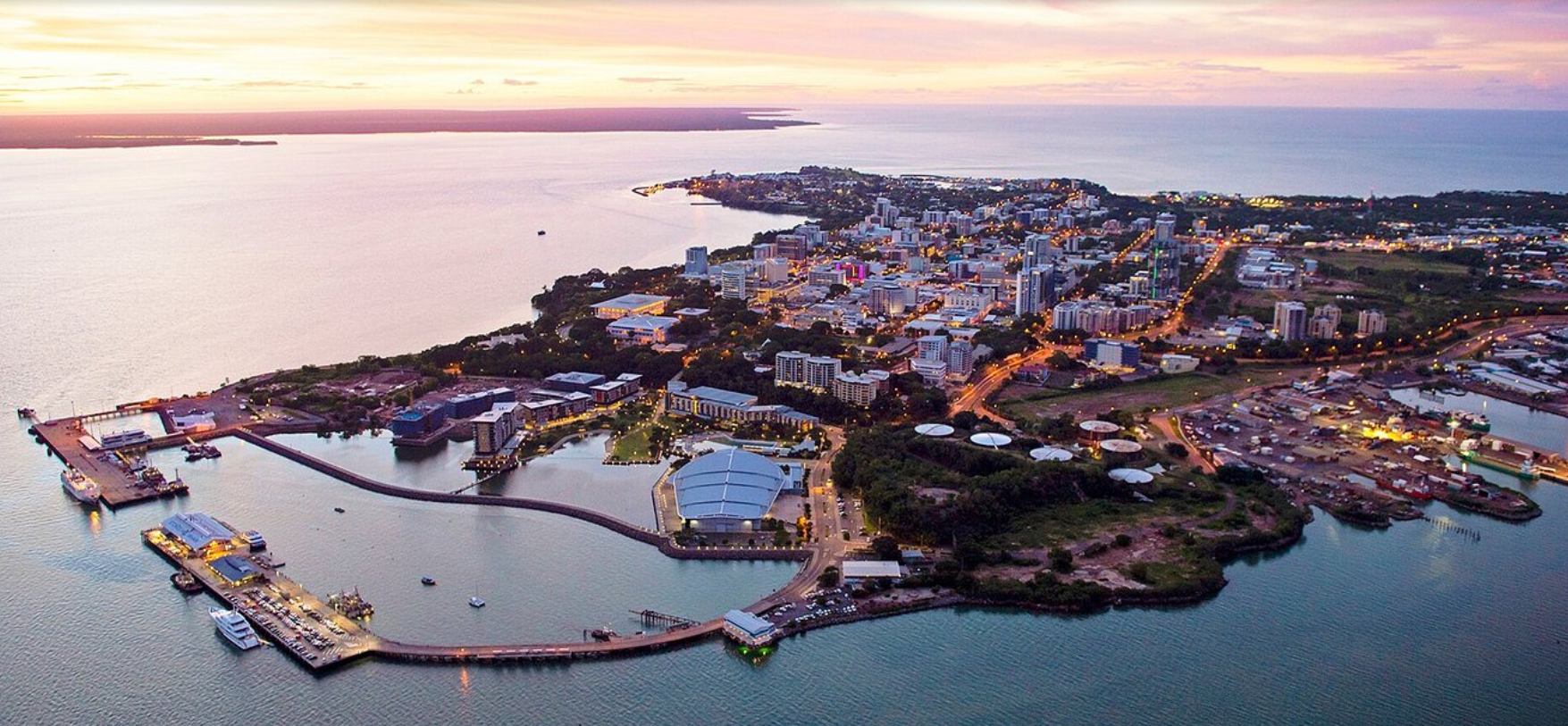
Program Status Update
Update on NT General Skilled Migration (GSM) nomination applications for 2026-27 – Full allocation received
The NT Government has received full allocations for the 2026-27 program year from the Australian Government.
The NT nomination application opens on 21 August 2026 to new applications for all onshore and selected offshore streams. Before applying, please ensure that you have reviewed the eligibility criteria for your stream. Please note that criteria has been updated for the new program year. For information on how to submit an application, view how to apply.
Please note that NT Government cannot guarantee nominations before visa deadlines. Those who are onshore and have visas expiring should seek professional advice from a Registered Migration Agent or Legal Practitioner on their visa options and ensure that they remain lawful in Australia.
People residing offshore are eligible to be considered for Northern Territory (NT) nomination. Invitations to apply for Northern Territory nomination will be via the ranking system.
The ‘Northern Territory Offshore Migration Occupation List’ identifies the occupations in current demand in the Northern Territory. This List is important if you want to apply for Northern Territory nomination for either a:
The ‘Northern Territory Offshore Migration Occupation List’ is only applicable for those applying for NT nomination from outside Australia, under the Priority Occupation stream.
Please note: The Northern Territory government has advised that offshore applicants will generally only be offered a Northern Territory nomination for a subclass 491 visa. Subclass 190 nominations will only be offered in exceptional circumstances, such as cases where the applicant has strong connections to the NT.
The NT advises eligible applicants to apply as soon as they meet the eligibility criteria. To receive a nomination from the NT Government, you must:
Before submitting an EOI for The Northern Territory, applicants should check that they meet all eligibility requirements.
For information on how to submit an application, view how to apply.
For a further explanation, see the Frequently Asked Questions page on the Northern Territory Government website.
Program Status Update
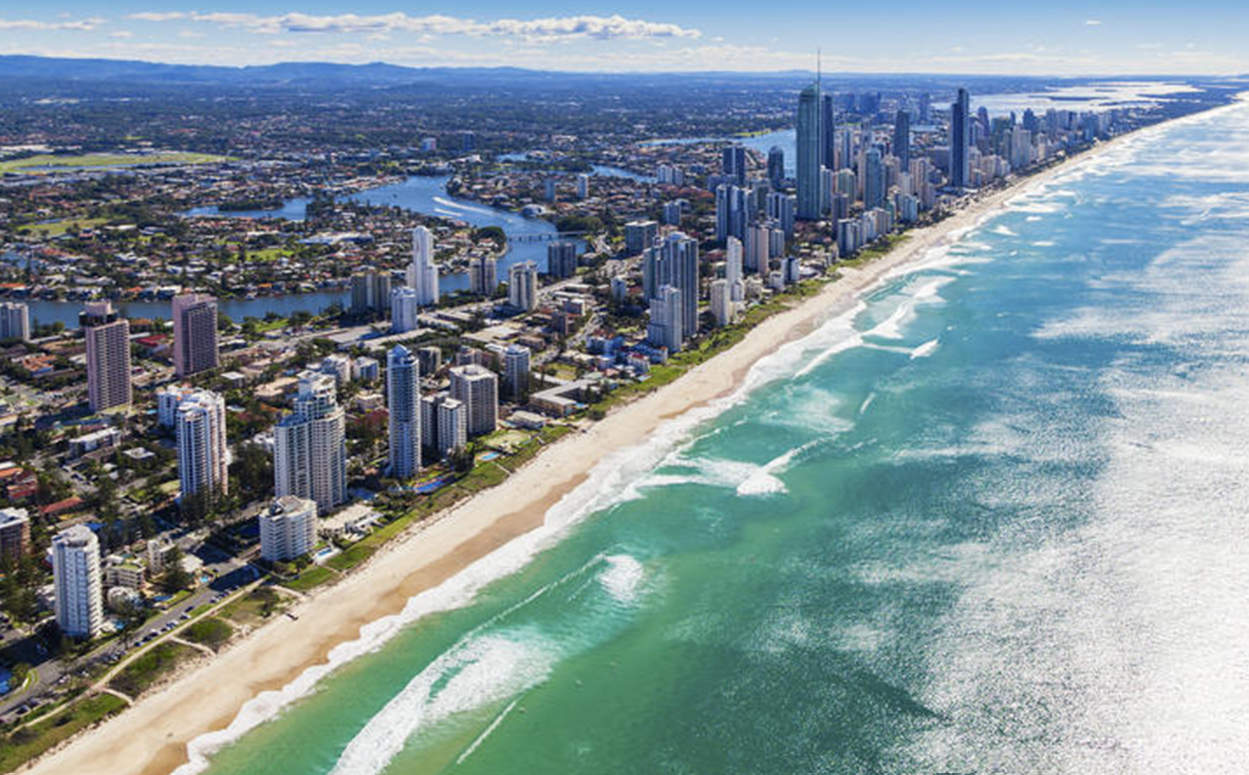
Queensland’s Registrations of Interest (ROIs) for the 2025-26 State Nominated Migration Program (SNMP) are now closed.
Following a high volume of high-quality submissions received, all available nomination places for this program year have been filled.
Migration Queensland is currently awaiting advice from the Australian Government regarding future program settings, including nomination allocations.
Invited applicants who have submitted their application will continue to be assessed and finalised once new nomination places are allocated. These applicants are not required to take any further action.
Information on the 2026-27 program will be published when it becomes available.
Once the above mentioned temporary suspension is lifted, you may be able to proceed with Queensland’s usual skilled migration program. Program details below:
Depending on your occupation and situation, there are two state nomination options available for skilled migrants through Queensland.
For Queensland state nomination, prospective applicants must meet the Department of Home Affairs requirements, state-specific occupation requirements and have skills in an occupation that is available on the Queensland Skilled Occupation List.
You may undertake employment once onshore in Queensland through:
Offshore applicants meeting the minimum published requirements are eligible to lodge an Expression of Interest (EOI) on Skill Select and then a Registration of Interest (ROI) on the Migration Queensland portal.
Migration Queensland criteria requires you to:
The 2025-26 Skilled Migration Program is open to both onshore and offshore applicants and provides pathways for skilled workers, graduates, and small business owners.
Before submitting a Registration of Interest (ROI) for Queensland, applicants should check that they meet all eligibility requirements.
Note: In the EOI, select ‘Queensland’ as the only state of interest in the EOI, if you wish to be considered for an invitation to apply for Queensland nomination.
For information on how to submit an application, view how to apply.
For a further explanation, see the Frequently Asked Questions page on the Queensland Government website.
 Program Status Update
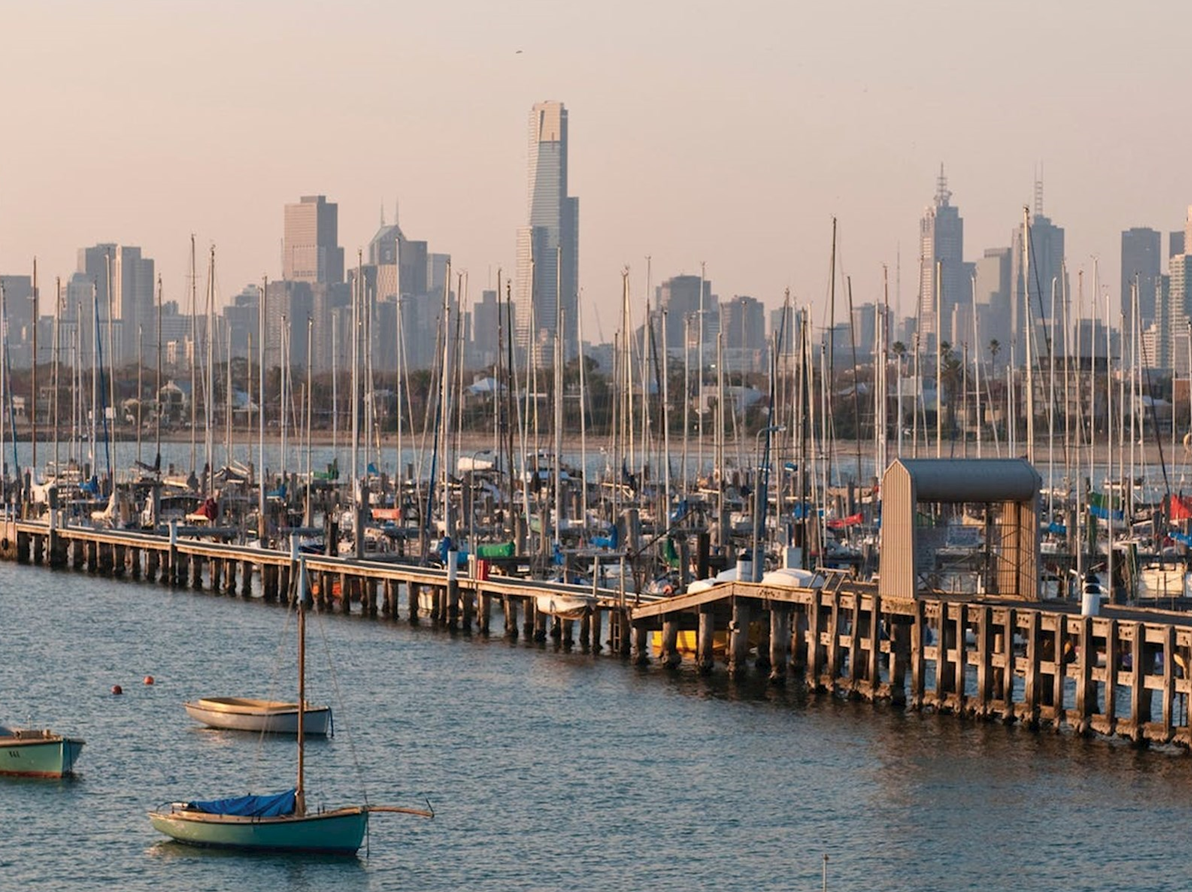
Victoria’s 2025-26 state nominated skilled visa program is now closed to new Registrations of Interest (ROIs).
Victoria will continue to consider all submitted ROIs for the remaining nomination places in the 2025-26 program year.
If you withdraw your ROI, you will not be able to submit a new one until the 2026-27 program opens.
Information on the 2026-27 program will be published when it becomes available.
Once the above mentioned temporary suspension is lifted, you may be able to proceed with Victoria’s usual skilled migration program. Program details below:
Open to offshore applicants, the program provides skilled migrants with a pathway to permanent residency in Victoria. The skills that successful applicants bring to Victoria benefits employers and the broader Victorian economy.
The program provides two visa pathways:
As with previous years, applicants will first need to submit a Registration of Interest (ROI) and then be selected on competitive merit to apply for visa nomination.
*Please note: Invitation rounds occur frequently throughout the financial year with no set date.
To be invited to apply for Victorian skilled visa nomination, you must firstly make or update an Expression of Interest (EOI) via the Australian Government’s SkillSelect and then submit a Registration of Interest (ROI).
Both onshore and offshore applicants are eligible to submit a Registration of Interest (ROI) for both the subclass 190 and subclass 491 visas.
If you previously submitted an ROI in the 2024-25 and wish to be considered for invitation in the 2025-26 program, your ROI is still valid. You do not need to withdraw your ROI unless the information in the ROI has changed.
Your ROI will remain in our system for selection until it is withdrawn or selected.
You can check if your ROI is active via the Live in Melbourne portal. Login to your account > Applications > Click into the relevant NFR number > If active, the status will show ‘Submitted’ or ‘Received’.
Before submitting an ROI for Victoria, applicants should check that they meet all eligibility requirements.
For a further explanation, see the Frequently Asked Questions page on the Victoria Government website.

Program Status Update
Closed; currently awaiting program framework release.
Information on the 2026-27 program will be published when it becomes available.
Once the above mentioned temporary suspension is lifted, you may be able to proceed with Western Australia’s usual skilled migration program. Program details below:
People residing offshore are eligible to be considered for Western Australia (WA) State nomination. Invitations to apply for WA State nomination will be via the ranking system.
The Western Australian Skilled Migration Occupation List identifies the occupations in current demand in Western Australia. This List is important if you want to apply for Western Australia nomination for either a:
Please note that to be eligible for an invitation in the WA State Nominated Migration Program, you must meet both:
Before starting your application, you will need to check whether your occupation is available on either the WA Skilled migration occupation list (WASMOL) Schedule 1 or 2, or the Graduate occupation list. You can search for your occupation here. (The occupation list search bar is located under the heading ‘Eligible Occupations’.)
Features of the 2025—26 program:
Before submitting an EOI for Western Australia, applicants should check that they meet all eligibility requirements.
For a further explanation, see the Frequently Asked Questions page on the Western Australia Government website.
Program Status Update
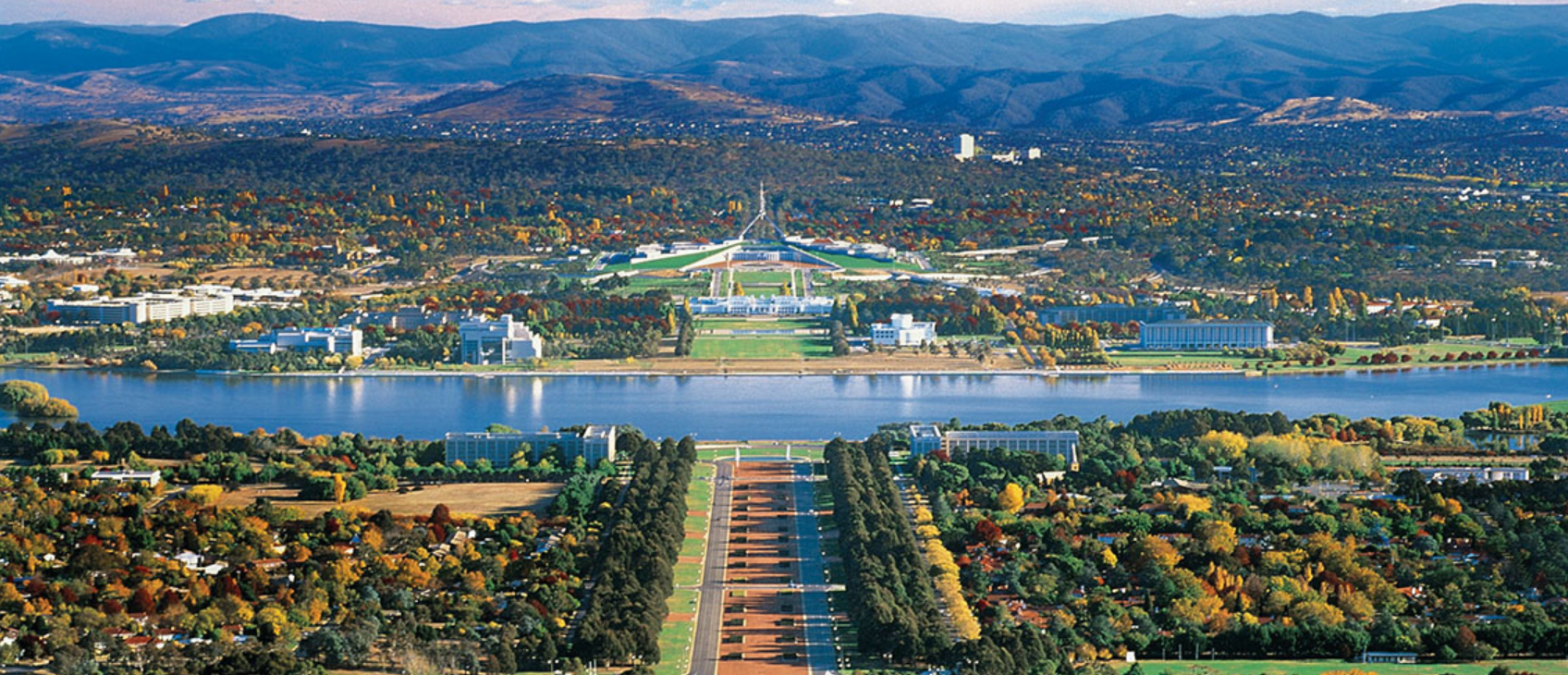
The ACT Critical Skills List identifies the occupations in current demand in the ACT. This List is important if you want to apply for ACT nomination for either a:
The ACT Government will update this list every four months to make sure that the ACT Skilled Migration Program adapts and responds to the evolving critical skills needs of the ACT economy.
The Canberra Matrix is weighted to ensure that applicants who will make a positive economic contribution to the Territory and/or have demonstrated a genuine commitment to the ACT are more likely to be ranked and invited to apply for ACT nomination.
*ACT nomination does not guarantee a migration outcome. You must still meet the Department of Home Affairs criteria.
Every month, a certain number of nomination invitations are available (prorated on the annual allocation) to those working in the highest ranked Matrix in each occupation.
You can view the ACT’s most in-demand skills for skilled migration by consulting the ACT Nominated Migration Program Occupation List.
Before submitting an EOI for The Australian Capital Territory, applicants should check that they meet all eligibility requirements.
Once you’ve submitted a valid Department of Home Affairs Skill Select EOI, follow the ACT Government Process to apply for ACT nomination.
For a further explanation, see the Resources page on the ACT Government website.
Program Status Update
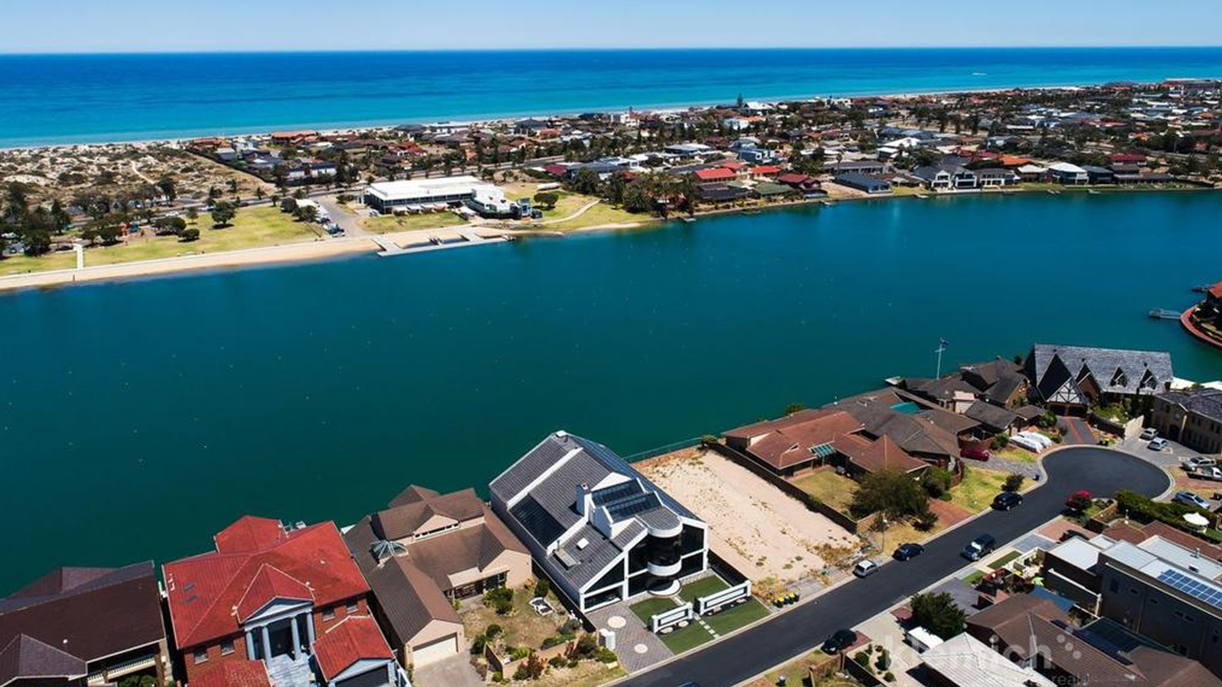
Registrations of Interest have closed on 2 June 2026 for the 2025-26 program year to onshore applicants. Offshore applicants can still apply via the federal SkillSelect platform as outlined below.
Information on the 2026-27 program will be published when it becomes available.
Once the above mentioned temporary suspension is lifted, you may be able to proceed with South Australia’s usual skilled migration program. Program details below:
Depending on your occupation and situation, there are two state nomination options available for skilled migrants through South Australia.
For South Australian state nomination, prospective applicants must meet the Department of Home Affairs requirements, state-specific occupation requirements and have skills in an occupation that is available on the South Australian Skilled Occupation List. Offshore applicants meeting the minimum published requirements can now lodge an Expression of Interest (EOI).
There is an enormous range of occupations on South Australia’s Skilled Migration Occupation List in a range of industries – search for your occupation here.
South Australia will select offshore applicants to apply for state nomination from those who have submitted an Expression of Interest (EOI) through SkillSelect. Offshore applicants will not need to lodge a Registration of Interest (ROI) for this year’s program. South Australia will be nominating offshore applicants from over 250 occupations on South Australia’s Skilled Migration Occupation List.
If you are currently residing offshore and seeking to move to South Australia, the first step is to create an Expression of Interest (EOI) in SkillSelect ensuring you select South Australia as your first preferred State or Territory.
The South Australian Government can then review your EOI for consideration under the Skilled Nominated (Permanent) visa (subclass 190) or Skilled Work Regional (Provisional) visa (Subclass 491).
For most occupations, applicants must have a minimum of three years of skilled employment in their nominated or related occupation within the last 5 years to secure an invitation to apply for SA nomination.
To be considered for South Australian nomination, you must:
For occupations in the construction trades (as listed here) applicants must have a minimum of one year of skilled employment in their nominated or related occupation within the last 3 years.
Applicants in the construction trades will be assessed on merit by the following factors:
*Work experience must be in a role deemed full-time, defined as 20 hours per week according to SkillSelect.
Before submitting an EOI for South Australia, applicants should check that they meet all eligibility requirements.
For a further explanation, see the Frequently Asked Questions page on the South Australia Government website.

Program Status Update
2026-27 Program Open.
The Tasmanian Skilled Migration State Nomination Program has opened to new ROIs as of 17 August 2026.
Some changes to priority attributes for selection will apply. Full details of nomination requirements and priority attributes are on the website.
A detailed summary of the key changes can be found HERE.
Tasmania has now received a total 2,050 nomination allocations for the 2026-27 program year.
This comprises:
Invitations to apply for nomination – 2026-27 Program
Migration Tasmania will commence weekly invitations to apply for nomination as of Thursday 20 August 2026. Invitations will be issued progressively throughout the year to ensure places remain available across the program year.
Information will be posted on the Migration Tasmania website every week detailing:
It will also show the lowest ROI score you would need to get a nomination at time of processing. This number is based on the average of the lowest scores invited over the past three months. If, during assessment, any of the selected priority attributes are not met and the applicant’s score falls below this published three‑month average, the nomination will not be approved.
Important Note:
Subclass 190: Open (Formal Job Offer Required)
You can apply from overseas if you qualify for the Subclass 190 Overseas Applicant Pathway. The strict minimum requirements include:
Subclass 491: Closed for 2026–27
The Overseas Skilled Occupation Profiles (OSOP) pathway—which historically allowed high-scoring offshore applicants to be invited without a job offer—is completely suspended for the 2026–27 cycle. Because the federal government is prioritizing onshore visa processing, Migration Tasmania announced it will not issue any invitations under this stream this year
Working in Tasmania
The two state nomination options available for skilled migrants through Tasmania are:
The Tasmanian State Nomination Skilled Migration Program supports Tasmanian businesses and increases the state’s working age population. It does this by attracting and retaining migrants with skills genuinely in need by employers, or with the capacity to settle in Tasmania through skilled employment in the long-term, and business activities that will increase employment opportunities.
Tasmania’s skilled migration program is for people wanting to move to the state who have skills that Tasmania need. Skilled migrants are attracted to Tasmania because of the state’s enviable lifestyle, career opportunities, affordable housing, reputable schools and a globally recognised university.
The Migration Tasmania Application Gateway is now available for registrations of interest (ROI) and applications for skilled visa nomination from Tasmania.
Anyone seeking Tasmanian nomination for a Subclass 190 Skilled Nominated Visa or Subclass 491 Skilled Work Regional Visa must first register in the Migration Tasmania Application Gateway .
Before submitting an ROI for Tasmania, applicants should check that they meet all eligibility requirements for either;
For a further explanation, see the Frequently Asked Questions page on the Tasmania Government website.

Program Status Update
Important Notice: Closure of the Skilled Nominated visa (Subclass 190) and the Skilled Work Regional visa (subclass 491)
We wish to advise that applications are now closed for the current program year, as all available nomination places have been fully allocated.
Applications that have already been submitted will continue to be assessed and finalised once new nomination places are allocated by the Department of Home Affairs. Applicants are not required to take any further action at this time.
The NSW Government is currently reviewing the program settings and eligibility criteria for the next program year.
Information on the 2026-27 program will be published when it becomes available.
Once the above mentioned temporary suspension is lifted, you may be able to proceed with New South Wales usual skilled migration program. Program details below:
The New South Wales government has invited applications from offshore migrants under the following nomination streams:
The NSW State Government announced that offshore applicants skilled in certain ANZSCO unit groups are eligible for NSW nomination.
*Please note: Invitation rounds occur frequently throughout the financial year with no set date.
NSW invites and nominates SkillSelect EOIs at the ANZSCO unit group level. To be eligible for NSW nomination (for either Subclass 190 or Subclass 491), your occupation must fall within an ANZSCO unit group identified on the NSW Skills List which reflects skills in high demand across the state, and be eligible for the visa.
Before submitting an EOI for New South Wales, applicants should check that they meet all eligibility requirements for either;
For a further explanation of how the skills list works, see the Common questions about skilled visas page on the NSW Government website.

Australia’s migration story is entering a more measured and purposeful phase. After the exceptional post-pandemic movement of people, net overseas migration has fallen substantially from its September 2023 peak of 555,800 to 301,000. The 2026–27 Budget forecasts a further reduction to 225,000 by 2027–28, bringing migration close to pre-pandemic levels.
The important question is how Australia can design a migration system that strengthens the economy, supports essential services and gives migrants the best chance to contribute at their full potential.
A well-managed migration program is not simply a population policy. It is an investment in Australia’s workforce, productivity and long-term prosperity.
A PROGRAM FOCUSED ON SKILLS AND FAMILIES
Australia’s permanent migration program remains set at 185,000 places, with approximately 70 per cent allocated to skilled migration and 30 per cent to family migration.
This balance reflects two important national priorities. Skilled migrants help employers fill genuine workforce gaps, while family migration supports stable communities and allows Australians to build their lives with close family members.
MIGRATION SUPPORTS THE SERVICES AUSTRALIANS RELY ON
Migrants are already deeply embedded in the Australian workforce. About one-third of workers in healthcare, logistics, professional services and manufacturing were born overseas.
These are not marginal sectors. They include the nurses caring for patients, the workers moving goods across the country, the professionals supporting businesses and the skilled employees helping manufacturers remain productive.
The need for workers will become even more pressing as Australia’s population ages. Aged care alone is expected to require approximately 400,000 additional workers by 2050. Training more Australians must remain a central priority, but local training will not always produce enough workers quickly enough to meet growing demand. Skilled migration can complement domestic education and workforce development by providing experienced people where shortages are most severe.
Migration also broadens Australia’s pool of knowledge and ideas. People who have worked in different countries bring technical expertise, international networks, language skills and new perspectives. When these capabilities are recognised and used effectively, they can support innovation, business growth and stronger connections with global markets.
A POSITIVE CONTRIBUTION TO THE ECONOMY
Migrants make a positive lifetime fiscal contribution because the taxes they pay exceed the cost of the public services they use. Many arrive during their prime working years, after another country has already funded much of their childhood education and healthcare.
They then work, spend, establish businesses, buy homes and contribute tax revenue in Australia. This activity supports jobs and demand throughout the economy. It also helps Australia manage some of the financial pressures created by an ageing population and a rising ratio of retirees to working-age people.
The benefits are not limited to capital cities. Carefully targeted regional migration can help communities address workforce shortages, keep essential services operating and support local industries. Regional employers often struggle to recruit the people they need, particularly in healthcare, trades, agriculture, hospitality and specialised professional roles.
When migration pathways are aligned with genuine local needs and accompanied by settlement support, new residents can help regional communities remain economically active and socially vibrant.
A CONFIDENT PATH FORWARD
The evidence points towards a balanced and optimistic conclusion: well-managed migration is a national advantage. It gives Australia access to talent, supports essential services, strengthens public finances and helps the country prepare for an ageing population.
The task now is to manage that advantage with confidence, fairness and long-term thinking.
Australia’s economy is still expanding, despite the impression the latest figures may give. Gross domestic product increased by 0.3 per cent in the March 2026 quarter, and 2.5 per cent over the year, according to the Australian Bureau of Statistics. While slower than the previous quarter, the figures suggest the economy remains on a positive path. Businesses across Echuca, Moama, Shepparton, and Deniliquin have seen that national growth provides useful context, but day-to-day success provides its own measure of success. Confidence can be found in examining the number of new customers, steady orders, reliable staff, and willingness to invest, as these all have a greater impact on local businesses than a headline GDP figure.
Capacity, Not Demand, Is Holding Businesses Back
Demand is not the biggest obstacle. The greater challenge is having the capacity to respond when new opportunities arise.
Finding skilled workers remains difficult across agriculture, food processing and transport. Equipment breakdowns can also interrupt production, particularly when specialist repairs are difficult to source in regional areas.
Recruitment presents another challenge because experienced employees are also needed to train apprentices, making workforce shortages harder to overcome. These practical constraints often delay expansion despite healthy customer demand.
Business growth doesn’t always require dramatic expansion. It may simply mean employing more staff members, investing affordably in more efficient equipment, or serving a slightly wider customer base. Collectively, each of these steps strengthens local industries and contributes to a more resilient regional economy. When these foundations are in place, businesses are better equipped to invest with confidence, expand sustainably, and create skilled employment that benefits communities across Australia.

Angus started his side hustle while he was in high school and he’s able to pull in thousands of dollars per week. Angus has been operating his dog walking business for several years and he’s able to pull in a decent chunk of money.
An Australian university student has revealed the side hustle job that pays him sometimes as much as $300 per hour. Angus wasn’t allowed to get a dog when he was young, so he decided to walk other people’s pets in his spare time.
What started as a small-time gig while he was in high school has now morphed into a five-day-a-week job. He revealed he gets paid $50 per dog for an hour-long walk.
“I do three packs a day. Keeps me busy, which is good. I mean, walking along here [in Brisbane] each day, can’t complain,” he said.
When the 19-year-old was stopped on the streets of the Queensland capital, he was walking four dogs, meaning that hour alone saw him earn $200.
He said his biggest pack was six dogs at once, which would have been a $300 gig.
His pack size could change across the day and across the week, so it’s hard to work out how much he could make.
But if he only walked one dog per session, he’d pull in $750 per week, $3,000 per month, or $36,000 per year.
If he were able to do his biggest pack size three times a day, every day, he’d make $4,500 per week, $18,000 per month, or a jaw-dropping $216,000 per year.
Healy said he works the job into his weekly university schedule, and it’s helped him keep on top of everyday bills and expenses. He hopes it will eventually allow him to buy a house.
“I love it, it’s good,” he said. “But, I mean, it’s like any business, [where] you have expenses and stuff.”
He said sometimes he’ll be able to do a walk with multiple dogs if they’re social and relaxed, however, he also did one-on-one walks with pooches that might not gel well with others.
You don’t technically need any qualifications to be a dog walker in Australia.
Aspiring dog walkers can take certain online courses to brush up on their knowledge of certain breeds or dog behaviour.
People starting out in the industry can expect to charge around $20 to 25 per hour, however, that can reach up to $30 to 50 per hour once they have a bit more experience.
There’s a lot of money in the dog world
A woman who owned a dog behavioural business revealed she charged $80 per dog to look after them for several hours.
This involved a 5km walk in the morning, as well as some off-lead social play time, followed by a nap and more social interaction in the afternoon.
She also does one-on-one sessions with owners to help them improve their dog’s behaviour and temperament.
While each day can vary, she said her team looked after between 12 to 22 dogs per day.
That means her business was pulling in up to $1,760 every single day.
Being a dog behaviouralist takes a bit more training than being a dog walker.
Dogs Australia said the industry isn’t properly regulated, meaning people could call themselves a dog behaviouralist without proper training.
But you can help legitimise yourself by completing a course like the Certificate IV in Companion Animal Services – Knowledge assessed and Skills Assesses, or the Certificate III Canine Training & Behaviour-Knowledge Assessed and skills assessed.
Swap the summer crowds for crisp coastal adventures, abundant wildlife and laid-back days exploring Narooma, one of the South Coast’s prettiest towns.
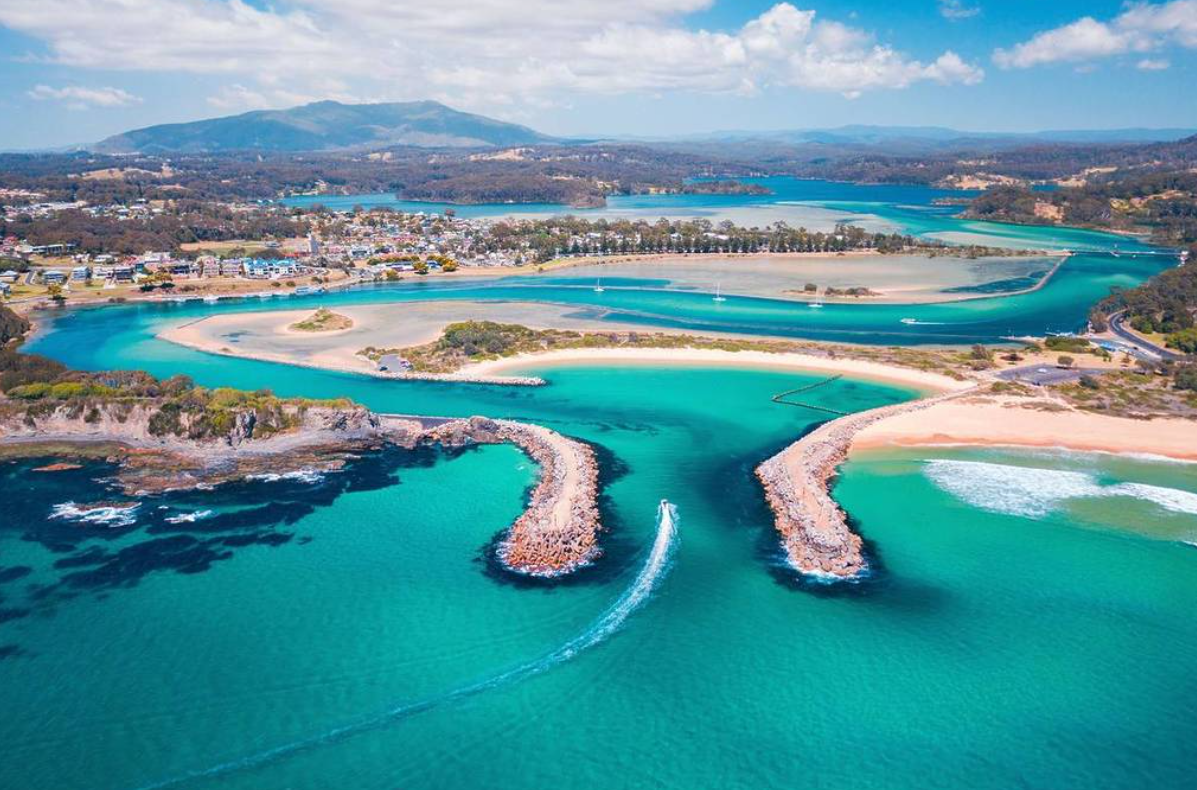
Byron Bay has long been synonymous with stylish coastal escapes, pairing sun-kissed beaches and rainforest trails with trendy boutiques, beachside dining and a laid-back seaside lifestyle. But it’s far from the only place in NSW that delivers a memorable coastal getaway. Just a few hours south of Sydney, Narooma is one of several pretty seaside spots that rival the more famous coastline. Offering a less-trafficked option with much of the same ingredients — rugged natural beauty, striking turquoise waterways, stellar waterside dining and pristine beaches, it’s a year-round haven for water lovers. While it’s popular in summer, winter is an equally rewarding time to visit with crisp coastal walks, migrating whales and fewer crowds to boot. Ready to plan a trip? Here’s how to spend a winter getaway in Narooma.
Things to do in Narooma in winter
Winter is an ideal time to explore Narooma on foot, starting with the Mill Bay Boardwalk, a flat and scenic 350-metre path that hugs the northern edge of Wagonga Inlet. Keep an eye on the shallows as you walk, stingrays and other marine life are often visible beneath the water. For a longer adventure, the boardwalk forms part of the Narooma to Dalmeny cycling route, a 21-kilometre trail tracing the coastline north of town and easily tackled in smaller sections.
For sunshine, sandy beaches and natural wonders galore, head straight to the coast. Well worth a visit is the famous Narooma Surf Beach and the ancient Glasshouse Rocks and Pillow Lava, an impressive geological formation at the southern end of the beach. Also, be sure to make time for nearby Bar Rock Lookout and Australia Rock — an uncanny Australia–shaped rock formation, while further south, Mystery Bay offers a pristine stretch of coastline backed by spotted gums. Mountain bikers can head inland to Narooma Trails, with 85 kilometres of purpose-built tracks winding through the bush, while Narooma Golf Club offers spectacular ocean views from its clifftop course.
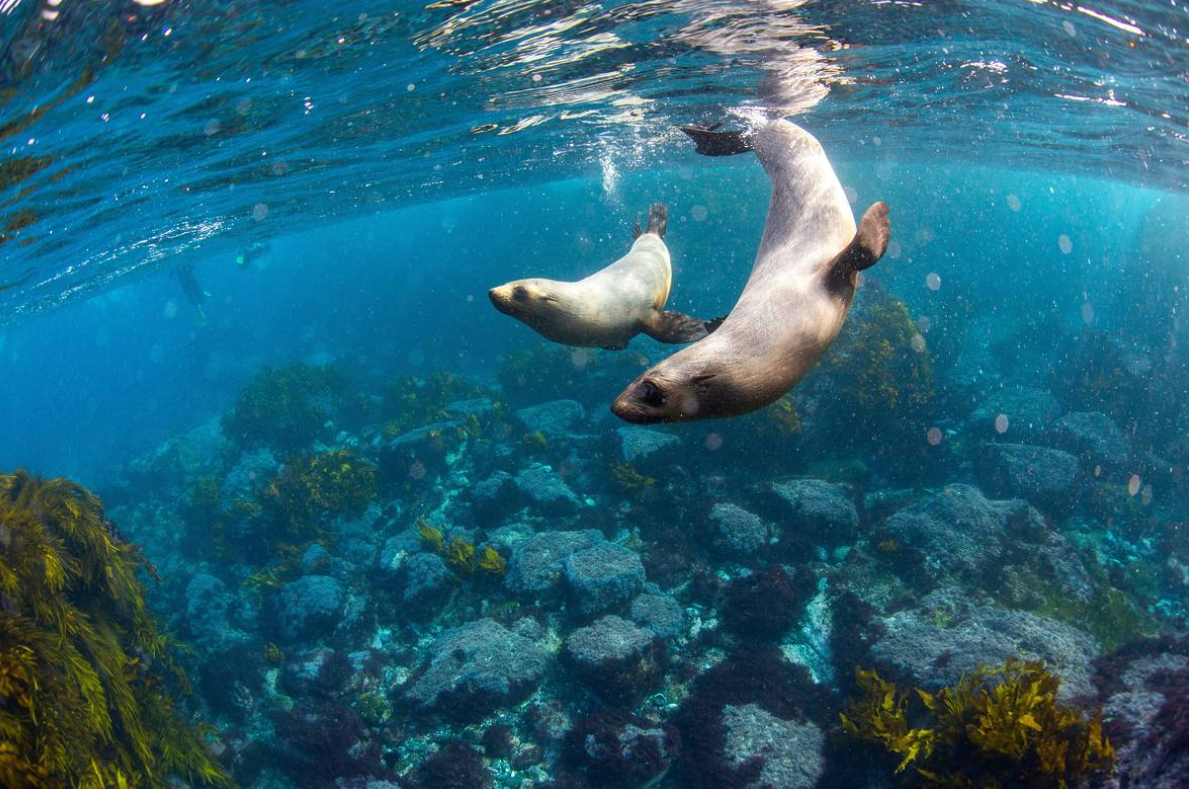
Winter also coincides with the annual humpback whale migration, making the headlands and coastal lookouts around Narooma prime places to watch for whales offshore. For a closer look at the area’s wildlife, take a boat trip nine kilometres offshore to Montague Island. Tours from Narooma offer opportunities to spot whales, dolphins, seals and seabirds, with guided visits also taking in the island’s historic 1888 lighthouse. Back on the mainland, Wagonga Inlet is worth exploring from the water, with cruises aboard the historic Wagonga Princess, as well as kayaking and guided tours available around the estuary.
Other ways to enjoy the town
Narooma has built a strong reputation for food and drink, with local seafood naturally taking top billing. Stop by The Oyster Farmers Daughter on Wagonga Inlet for freshly shucked Sydney rock oysters, or settle in by the water at Quarterdeck for fresh seafood and cocktails. For something more casual, Kattalina’s On the Marina pairs breakfast and lunch with marina views, while Bound To Earth Espresso Bar is a reliable local stop for coffee and Honorbread is the spot to go for baked goods. Come evening, the historic Lynch’s Narooma is a good option for classic pub fare. Narooma’s position at the heart of the Oyster Coast also makes an oyster farm tour a natural addition to your itinerary.
Leave some time to browse the compact and breezy town centre, where you’ll find plenty of independent boutiques and local stores scattered around Wagonga Street and the Princes Highway. Stop by Seaside Collective for clothing and swimwear and Home by Montague for gifts, homewares and more. If your visit falls on the fourth Sunday of the month, head to the Narooma Rotary Markets at NATA Oval, which continues throughout winter and brings together local stallholders selling everything from clothes, coffee, sweet treats, collectibles, art and more. For a local souvenir, head to Songbee or Gemz on Gem.
Getting there
Narooma is located on the NSW far South Coast, around a 5-hour drive from Sydney. For a more scenic journey, follow the Grand Pacific Drive south before continuing along the Princes Highway, with plenty of seaside stops along the way. If you rely on public transport, daily coach services connect Sydney with Narooma, although the journey takes longer than driving. Alternatively, you can fly from Sydney to Moruya Airport, then continue around 40 minutes south to Narooma.
 Australia has strengthened its position as one of the world’s most attractive international education destinations, with Melbourne and Sydney climbing into the global top five in the latest QS Best Student Cities for 2027 rankings. The result reinforces Australia’s reputation for delivering high-quality education and globally connected student experiences, even as affordability and rising visa costs continue to pose significant challenges.
Melbourne rose one place to fourth globally, while Sydney climbed to equal fifth. Perhaps more significantly, the two cities now hold the distinction of having the world’s two most diverse student populations, highlighting Australia’s enduring appeal to international students despite an increasingly competitive global market.
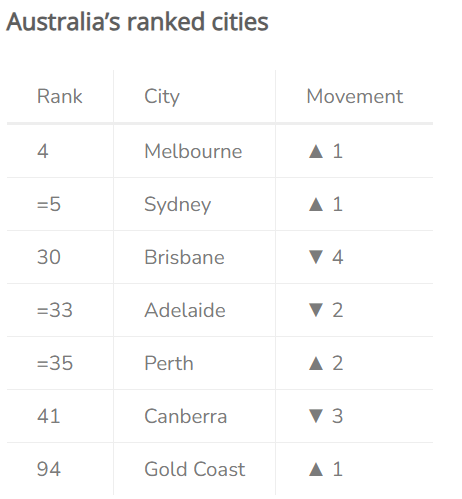
The rankings assess cities across six measures including university quality, employer activity, desirability, affordability, student diversity and student experience. Australia now has seven cities in the global top 150, giving it the fourth-largest national representation behind only the United Kingdom, the United States and mainland China.
For Australia’s international education sector, the results provide a welcome reminder that demand for Australian study destinations remains strong despite an often difficult policy environment over the past two years.
Diversity remains Australia’s greatest strength
Melbourne was ranked number one globally for Student Mix, while Sydney placed second. The indicator measures both the size and international diversity of a city’s student population.
Melbourne also performed strongly across several other measures, ranking 11th globally for both university strength and employer activity, while placing sixth for Student Voice. Sydney was recognised as the eighth most desirable student city in the world.
These results reflect one of Australia’s long-standing competitive advantages.
While many competing destinations market themselves on prestige or affordability, Australia has increasingly differentiated itself through multicultural campuses, globally recognised qualifications and strong post-study employment outcomes. The country’s ability to attract students from a broad range of source markets has also helped institutions become more resilient following the disruption of the pandemic.
Strong rankings
The QS report notes that the Best Student Cities results build on a strong year for Australian higher education.
In the recently released QS World University Rankings 2027, Australia increased its representation to a record 37 ranked institutions, with 58 per cent improving their position. UNSW Sydney became Australia’s highest-ranked university for the first time, placing 19th globally.
Global competition intensifying
Melbourne and Sydney offer students the most diverse campuses in the world, and seven Australian cities now feature in the global ranking, evidence of the value that international talent brings to Australian education and the wider economy.
The latest rankings show Australia’s education quality and international reputation remain among the world’s best. Yet sustaining that position will depend not only on world-class universities and vibrant cities, but also on ensuring Australia remains financially accessible and globally competitive for the next generation of international students.
The Australian government keeps the National Planning Level unchanged at 295,000 after saying international student commencements are on track to remain below it, while confirming no active provider will receive a lower allocation in 2027.

Announcing the 2027 international education settings on July 3, education minister Jason Clare, skills minister Andrew Giles and assistant minister for international education Julian Hill said keeping the planning level unchanged would provide “stability and certainty” while ensuring Australia’s international education sector remained resilient, high-quality and globally competitive.
Government figures show international student commencements this year are down 8% compared with the same period in 2025 and 13% below 2019 levels. The 295,000 NPL remains 8% below the immediate post-COVID peak.
“International education is an incredibly important export industry for Australia, but we need to manage it sustainably,” said Clare. “This is about making sure international education supports students, universities and the national interest.”
The government confirmed that no active international education provider will receive a lower allocation in 2027 than in 2026, maintaining last year’s stronger allocations for regional universities.
Technical and Further Education (TAFE) students will remain exempt from the NPL under the government’s “TAFE at the Heart” policy, while strategically important cohorts, including students from Pacific nations and Timor-Leste, and Australian government scholarship holders, will continue to be exempt and receive priority student visa processing.
Ministerial Direction will remain in place to manage student flows through visa prioritisation, while universities seeking additional international student growth will continue to be assessed against government priorities, including engagement with Southeast Asia and the provision of adequate student accommodation.
For the international vocational education and training (VET) sector, the government said it would continue using visa processing and integrity reforms to shape the sector’s size and composition.
“International VET strengthens outcomes for students and supports our workforce, while deepening valuable global partnerships,” said Giles.
He added that the 2027 settings would provide “certainty” for the international VET sector while enabling it to continue delivering “sustainable growth and high-quality skills outcomes”.
Subject to legislation introduced to parliament last week, the Australian Tertiary Education Commission (ATEC) will oversee international student allocations for higher education providers from 2027, while the federal government will continue setting the overall National Planning Level.
The announcement builds on the government’s 2026 international education arrangements, introduced after its earlier attempt to legislate international student caps failed to pass the Senate, with the government instead continuing to manage international student numbers through administrative settings.
The 2027 arrangements also build on broader integrity reforms aimed at tackling poor provider practices, improving the student experience and keeping international student numbers on a more sustainable path, the government said.
Hill said Australia continued to welcome “genuine international students seeking a premium Australian education” that was “great for our unis, domestic students and research”.